

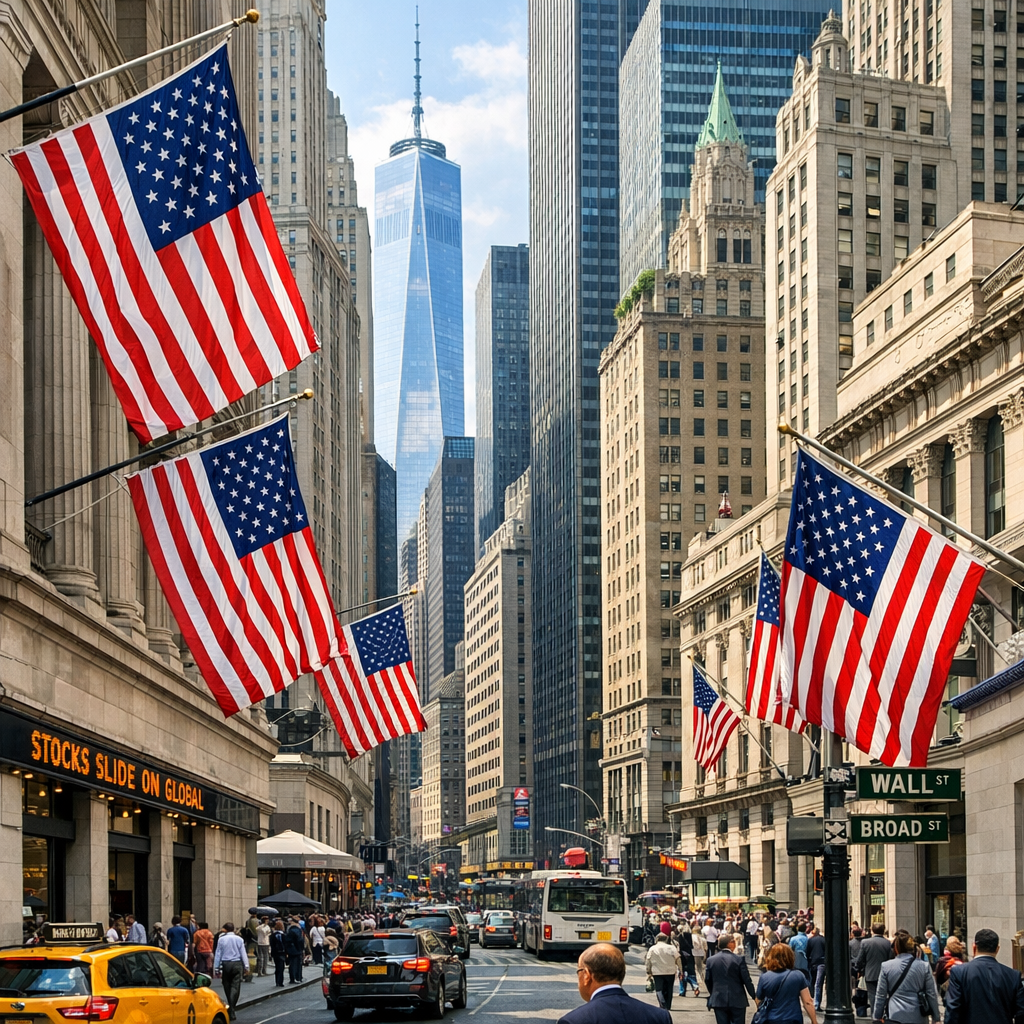
The United States continues to navigate a complex economic and political environment, with recent developments shedding light on the nation’s current trajectory.
Economic Overview
According to the International Monetary Fund (IMF), the U.S. economy is experiencing buoyant growth, with projections indicating a 2.4% increase in gross domestic product (GDP) for the fourth quarter of 2026. Unemployment rates are expected to decline to 4.1% during the same period. However, the IMF has raised concerns about rising federal budget debts, which could pose stability risks in the future.
Inflation remains a pressing issue, with the Bureau of Labor Statistics reporting a 0.3% increase in wholesale inflation for September, maintaining the annual level at 2.7%. This uptick has impacted consumer spending, as retail sales rose by 0.2% in September; however, after adjusting for inflation, spending effectively decreased by 0.1%.
Political Climate
Recent polling data from Gallup reveals that approximately one-third of Americans view politics and government as the nation’s most pressing issues. This level of concern is notably higher than in most other wealthy democracies, indicating a unique anxiety about the health of the U.S. political system. The generational divide is evident, with older Americans focusing on political stability, while younger demographics are more concerned with economic challenges such as housing affordability.
In the realm of policy, the Trump administration has proposed a one-year 10% cap on credit card interest rates, aiming to alleviate financial burdens on consumers. The effectiveness and implementation of this policy remain subjects of debate among policymakers and financial experts.
Conclusion
The United States stands at a critical juncture, balancing economic growth with underlying challenges such as inflation and political polarization. As the nation progresses through 2026, the interplay between economic policies and political dynamics will be pivotal in shaping its future trajectory.