

The United States is currently experiencing significant shifts in its political and economic spheres, with recent events underscoring the dynamic nature of its governance and financial systems.
Political Developments
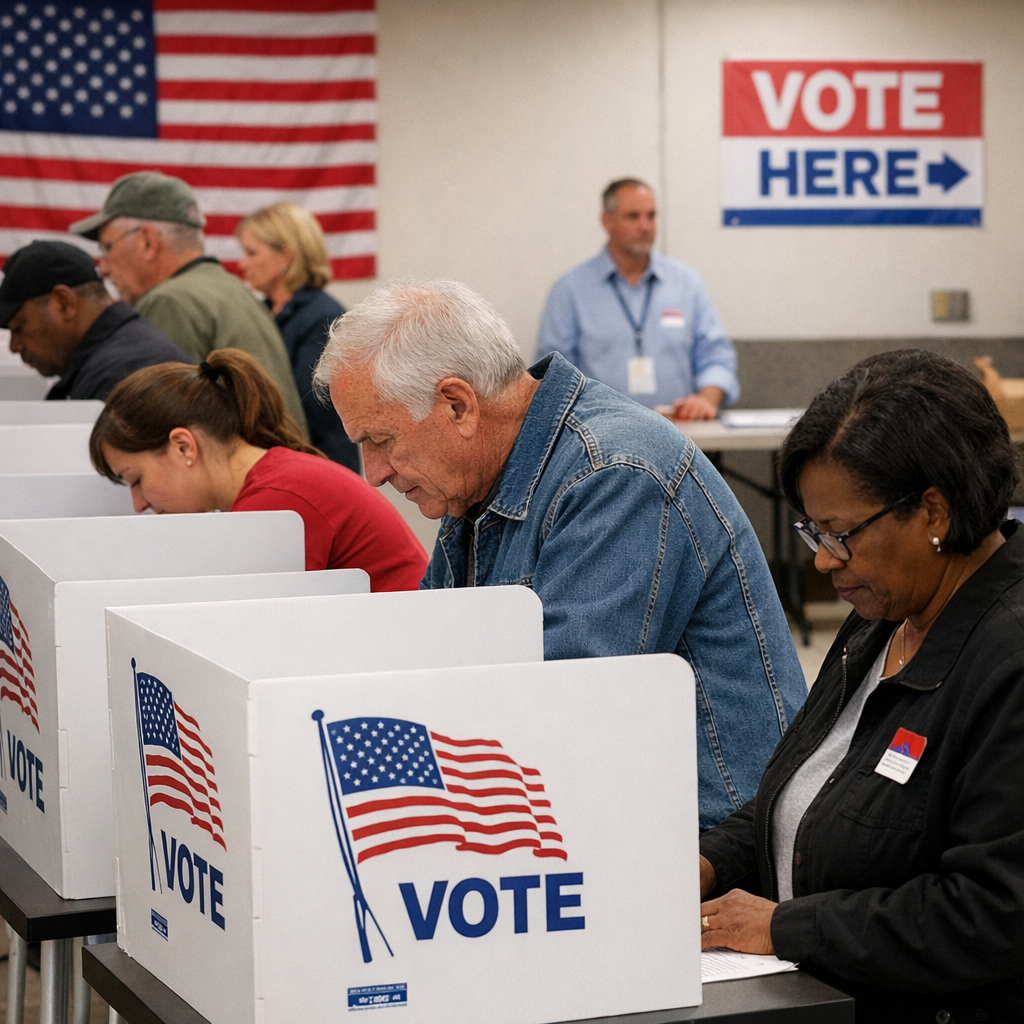
In the political arena, the upcoming 2026 midterm elections are drawing considerable attention. All 435 seats in the House of Representatives and 35 Senate seats are up for grabs, making this election cycle pivotal for both major parties. The Republican Party, under President Donald Trump’s leadership, is striving to maintain its majority, while the Democratic Party seeks to regain control. The outcome of these elections will significantly influence the legislative agenda for the remainder of President Trump’s term.
Additionally, recent primary elections have set the stage for competitive races. For instance, in California, the governor’s race is particularly tight, with candidates from both parties vying for the position. Such contests reflect the broader national sentiment and could serve as indicators for the general election outcomes.
Economic Indicators
On the economic front, the United States is navigating a complex landscape marked by fluctuating indicators. Recent data reveals a 0.3% increase in wholesale inflation, maintaining the annual level at 2.7%. Concurrently, retail sales have risen by 0.2%. However, when adjusted for inflation, consumer spending has effectively decreased by 0.1%, suggesting that rising prices are impacting purchasing power.
Consumer confidence has also taken a hit, reaching its lowest level since April. This decline indicates growing public concern over job security, the cost of living, and the overall economic outlook. Such sentiments are crucial as they can influence spending behaviors and, consequently, economic growth.
Implications and Outlook
The interplay between political developments and economic indicators presents a multifaceted challenge for policymakers and citizens alike. The upcoming elections could lead to shifts in policy direction, affecting areas such as trade, taxation, and social programs. Simultaneously, economic trends will play a critical role in shaping voter priorities and decisions.
As the United States approaches these pivotal moments, both domestic and international observers will be closely monitoring the outcomes and their subsequent impact on the global stage.