

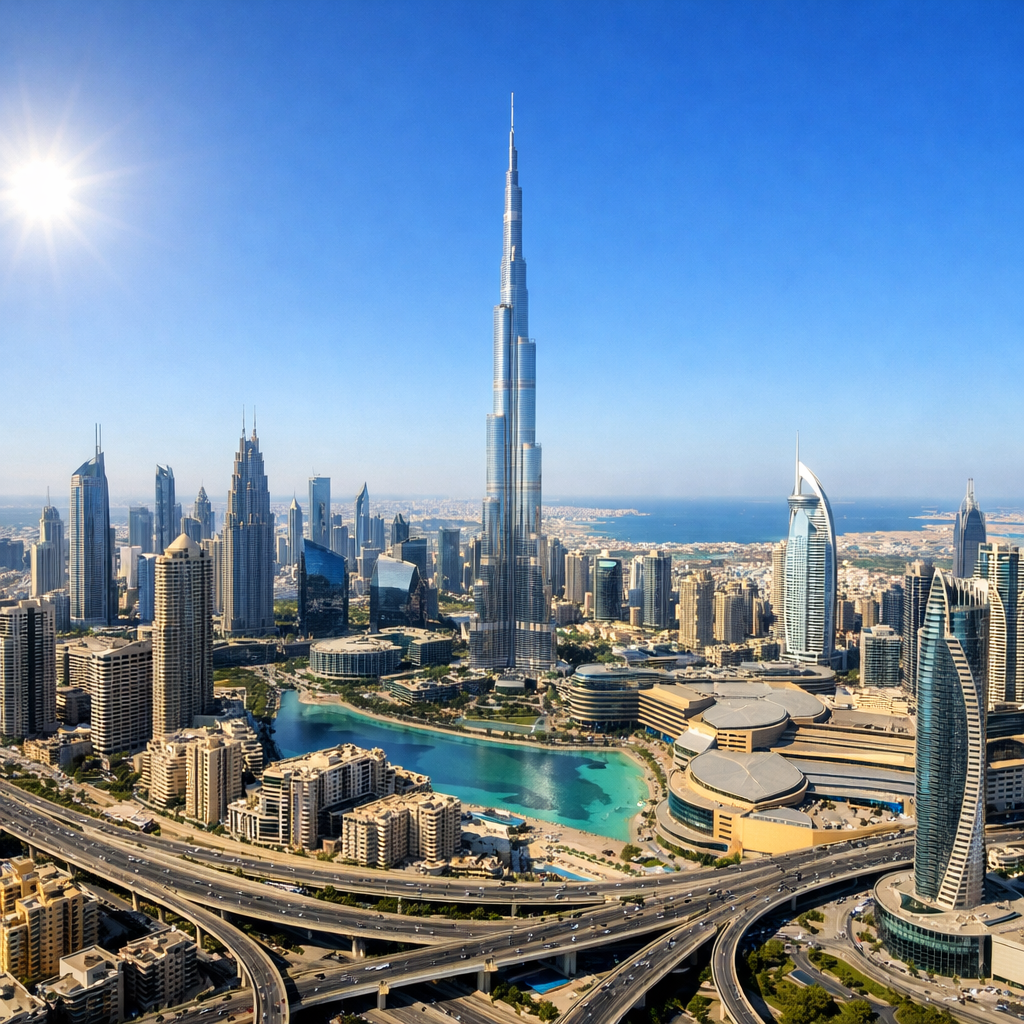
Dubai’s climate is characterized by its hot desert environment, with distinct seasonal variations that influence daily life and the city’s environment.
Seasonal Weather Patterns
Summer (May to September)
During the summer months, Dubai experiences intense heat, with daytime temperatures often exceeding 40°C (104°F). Coastal areas, including Dubai, also face high humidity levels, which can make the heat feel more oppressive. This combination of high temperatures and humidity can pose health risks, making it essential for residents and visitors to take precautions during this period.
Winter (December to February)
In contrast, the winter season offers milder temperatures, with daytime highs ranging between 20°C (68°F) and 26°C (79°F). This period is also when Dubai receives the majority of its annual rainfall, though precipitation remains minimal. The cooler and more comfortable conditions make winter the preferred time for outdoor activities and tourism.
Environmental Challenges
Dubai’s rapid urbanization and unique climate present several environmental challenges:
Water Scarcity
As a city with minimal natural freshwater resources, Dubai relies heavily on desalination to meet its water needs. This process is energy-intensive and contributes to the city’s carbon footprint. Sustainable water management practices are crucial to address this challenge.
Air Quality
Urban development and industrial activities have led to concerns about air quality in Dubai. Elevated levels of particulate matter and other pollutants can impact public health, necessitating ongoing monitoring and mitigation efforts.
Urban Heat Island Effect
The concentration of buildings and infrastructure in Dubai contributes to the urban heat island effect, where urban areas experience higher temperatures than their rural surroundings. This phenomenon can exacerbate the already high temperatures during summer months, highlighting the need for green spaces and sustainable urban planning.
Understanding Dubai’s climate and the associated environmental challenges is essential for residents, visitors, and policymakers. By staying informed and adopting sustainable practices, the community can work towards mitigating the impacts of these challenges and ensuring a resilient future for the city.