

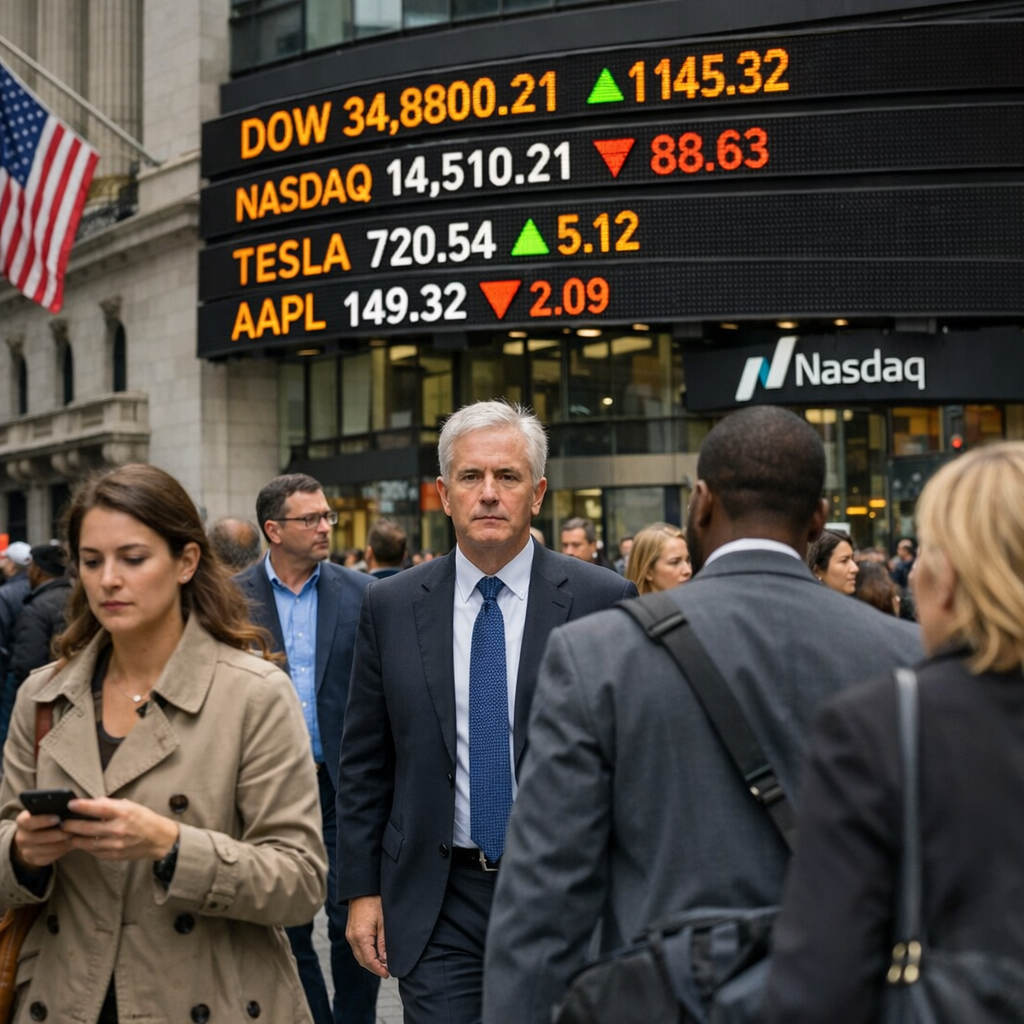
The United States economy has been navigating a complex landscape, marked by both resilience and challenges. Recent data offers insights into the nation’s economic health and the factors influencing its trajectory.
Economic Growth and Employment
The International Monetary Fund (IMF) projects that the U.S. economy will grow by 2.4% in the fourth quarter of 2026, an increase from the previous year’s 2.2% growth. This uptick is accompanied by a decline in unemployment, with rates expected to fall from 4.5% in late 2025 to 4.1% in 2026. Such trends suggest a strengthening labor market and increased economic activity.
Inflation and Consumer Prices
Inflation remains a focal point for policymakers and consumers alike. The IMF anticipates that inflation will align with the Federal Reserve’s 2% target by 2027. However, recent events, such as the conflict in Iran, have led to a surge in gasoline prices, with the national average reaching $3.61 per gallon. This increase has placed additional financial strain on households, particularly those with lower incomes.
Federal Reserve Policies
In response to evolving economic conditions, the Federal Reserve has adjusted its monetary policies. The central bank has reduced its benchmark interest rate to 3.4%, down from 3.6%, aiming to stimulate economic growth while keeping inflation in check. These decisions are made with careful consideration of various economic indicators and global events.
Consumer Confidence and Spending
Consumer confidence has experienced fluctuations, influenced by factors such as rising fuel costs and broader economic uncertainties. While retail sales saw a modest increase of 0.2% in September, when adjusted for inflation, spending effectively declined by 0.1%. This trend underscores the cautious approach many consumers are adopting in the current economic climate.
Global Influences and Trade
International events continue to impact the U.S. economy. The ongoing conflict in Iran has not only affected oil prices but also introduced volatility into global markets. Additionally, trade policies and tariffs remain critical considerations, as they can influence domestic industries and consumer prices.
In summary, the U.S. economy demonstrates both strengths and areas of concern. While growth and employment figures are promising, challenges such as inflation and external geopolitical events require ongoing attention and strategic policy responses.