

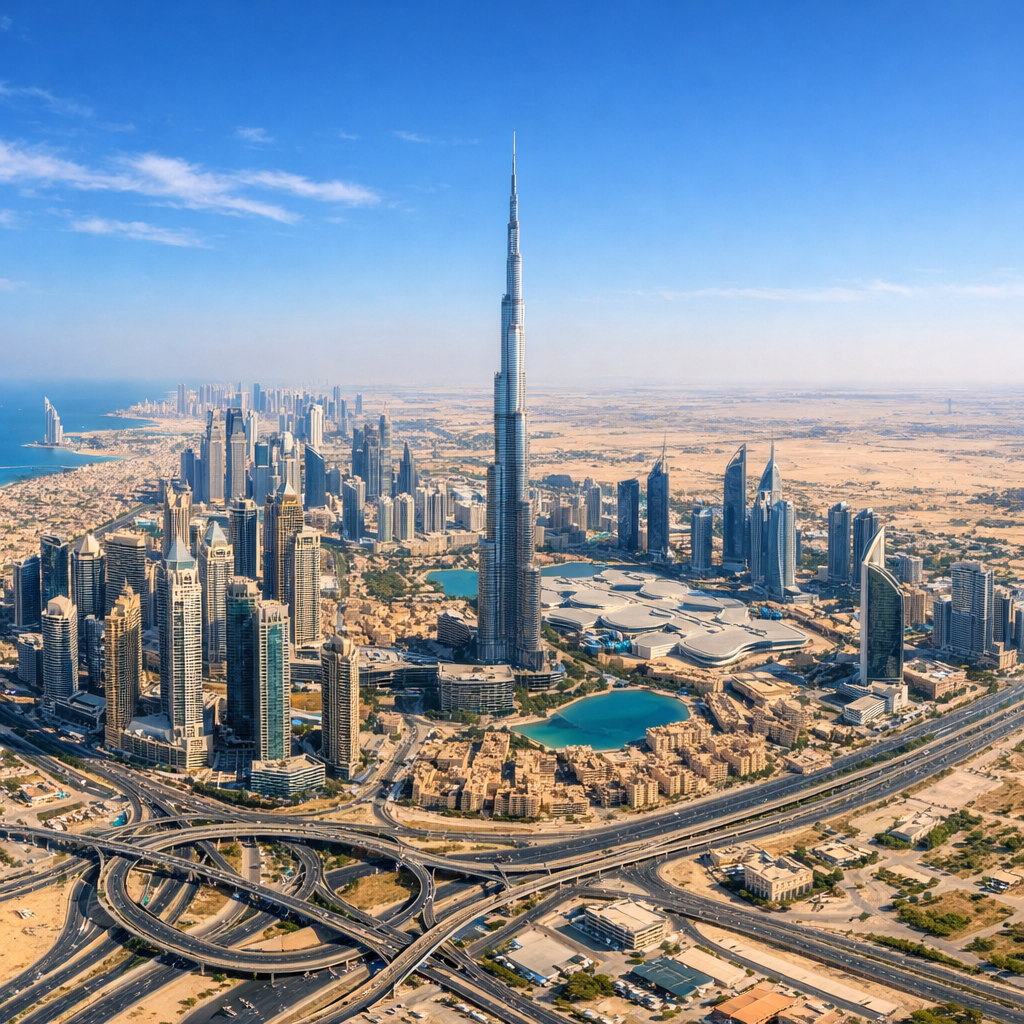
Dubai’s climate is characterized by its hot desert environment, marked by extreme temperatures, high humidity, and minimal rainfall. Understanding these patterns is essential for both residents and visitors to navigate the city’s weather conditions effectively.
Seasonal Overview
Summer (May to September)
During the summer months, Dubai experiences intense heat, with daytime temperatures often exceeding 40°C (104°F). Coastal areas, including the city, face high humidity levels due to the proximity to the Arabian Gulf, making the heat feel even more oppressive. This combination of high temperatures and humidity can pose health risks, necessitating precautions such as staying hydrated and limiting outdoor activities during peak heat hours.
Winter (December to February)
In contrast, the winter season offers milder and more comfortable conditions. Daytime temperatures range between 20°C (68°F) and 26°C (79°F), with cooler evenings. This period is ideal for outdoor activities and tourism, as the weather is pleasant and rainfall is minimal.
Environmental Challenges
Sandstorms
Dubai occasionally experiences sandstorms, particularly during the summer months. These events, driven by strong north-westerly winds known as ‘Shamal,’ can reduce visibility and air quality, impacting daily life and health. Residents are advised to stay indoors during severe sandstorms and use air filtration systems to maintain indoor air quality.
Urban Heat Island Effect
Rapid urbanization has led to the ‘urban heat island’ effect, where built-up areas retain more heat, resulting in higher temperatures compared to surrounding regions. This phenomenon exacerbates the already high temperatures in Dubai, emphasizing the need for green spaces and sustainable urban planning to mitigate heat retention.
Adaptation and Mitigation Efforts
Recognizing these challenges, Dubai has implemented several initiatives to adapt to and mitigate environmental impacts. The city has expanded its storm-water infrastructure to handle rare but intense rainfall events, reducing the risk of flooding. Additionally, urban planning efforts focus on increasing green spaces and developing shaded, walkable areas to combat the urban heat island effect.
Understanding Dubai’s climate and environmental challenges is crucial for making informed decisions about daily activities, health precautions, and urban development. By staying informed and proactive, residents and visitors can better navigate the unique weather patterns of this dynamic city.