

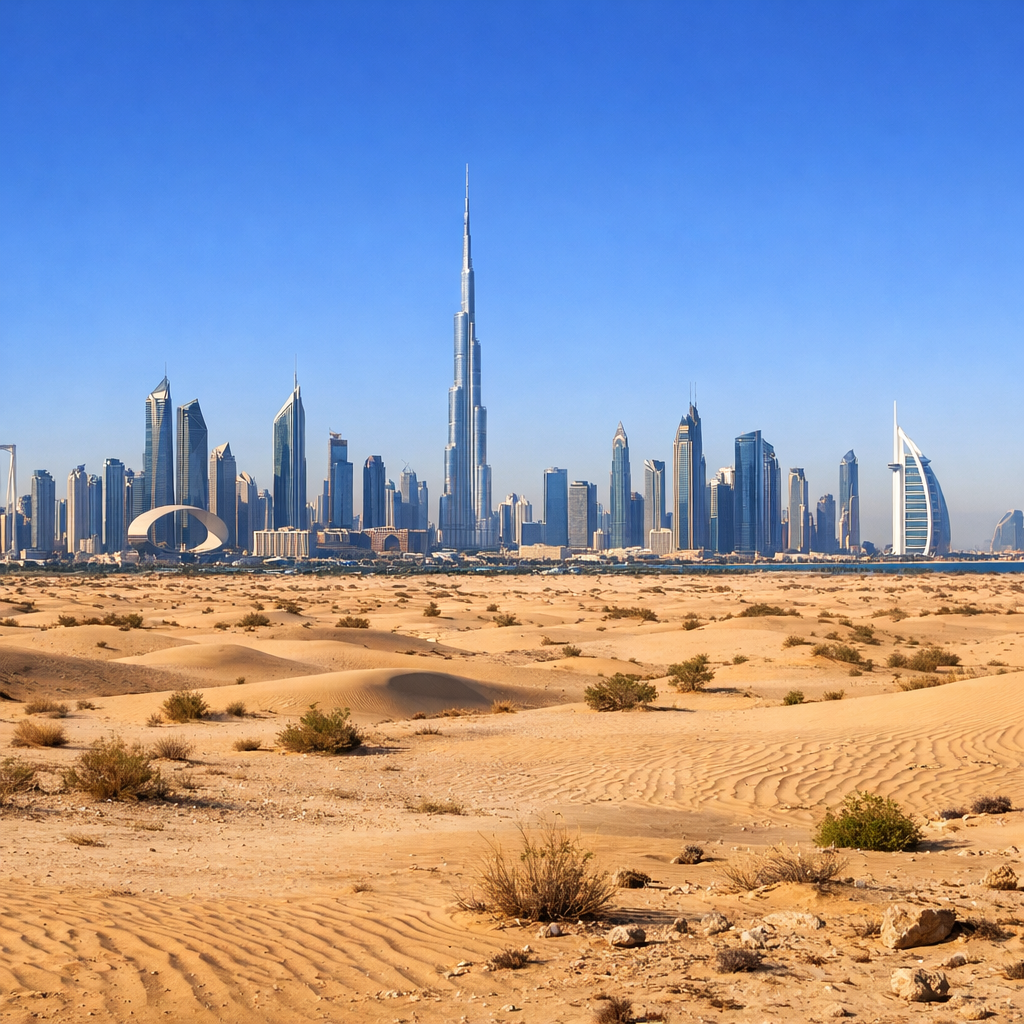
Dubai’s climate is characterized by its hot desert environment, with distinct seasonal variations that influence daily life and the environment.
Seasonal Weather Patterns
Summer (May to September)
During the summer months, Dubai experiences intense heat, with daytime temperatures often exceeding 40°C. Coastal areas face high humidity levels, sometimes reaching 80-90%, making outdoor activities challenging. The combination of heat and humidity can result in heat indices that feel even hotter, emphasizing the importance of staying hydrated and limiting sun exposure during peak hours.
Winter (December to February)
Winters in Dubai are mild and pleasant, with daytime temperatures ranging between 20°C and 26°C. This season is ideal for outdoor activities, as the weather is comfortable and rainfall is minimal, averaging around 100 mm annually. Rainfall during this period is typically brief but can occasionally lead to localized flooding due to the city’s infrastructure.
Environmental Challenges
Water Scarcity
Dubai’s arid climate contributes to significant water scarcity. The city relies heavily on desalination processes to meet its water needs, which can have environmental implications, including high energy consumption and the production of brine waste.
Air Quality
Rapid urbanization and industrial activities have led to concerns about air quality in Dubai. The city has been identified as having high levels of PM2.5, fine particulate matter that can penetrate deep into the lungs and pose health risks. Efforts are ongoing to monitor and improve air quality through various environmental initiatives.
Sandstorms
Dubai occasionally experiences sandstorms, particularly during the summer months. These events, driven by strong north-westerly winds known as ‘Shamal,’ can reduce visibility and impact air quality. Residents are advised to stay indoors during severe sandstorms and take precautions to protect respiratory health.
Adaptation and Mitigation Efforts
Recognizing these challenges, Dubai has implemented several initiatives to adapt to its climate and mitigate environmental impacts. The city has invested in green infrastructure, such as increasing green spaces and developing sustainable urban planning strategies. Additionally, Dubai has set ambitious targets to reduce carbon emissions and promote renewable energy sources as part of its commitment to environmental sustainability.
Understanding Dubai’s climate and environmental challenges is essential for residents and visitors alike. By staying informed and adopting sustainable practices, we can contribute to the city’s efforts to create a resilient and environmentally friendly urban environment.