

Dubai’s real estate market continues to evolve, reflecting changes in buyer preferences, rental patterns, and development initiatives. Understanding these trends is essential for residents and investors alike.
Shift Towards Homeownership
Recent data indicates a growing inclination among residents to transition from renting to owning properties. This shift is influenced by favorable long-term residency policies, such as the UAE Golden Visa, and initiatives like Dubai’s First-Time Home Buyer Programme, which has facilitated over 2,000 residents in purchasing their first homes, contributing more than AED 3.25 billion in residential property sales.
Rental Market Dynamics
The rental sector has experienced notable changes. Average rents have risen citywide, with studios and one-bedroom apartments seeing the sharpest increases. This trend is driven by population growth outpacing housing delivery. Additionally, the market has observed a two-tier system, where new contracts are priced at current market rates, while existing tenants benefit from regulated renewal caps.
Emerging Development Hotspots
Developers are responding to demand by launching new projects, particularly in suburban areas. Notable developments include new phases in Dubai South (Expo Living), MBR City (District 11), and Dubailand. These areas are becoming increasingly attractive due to their affordability and comprehensive community planning.
Luxury Segment Resilience
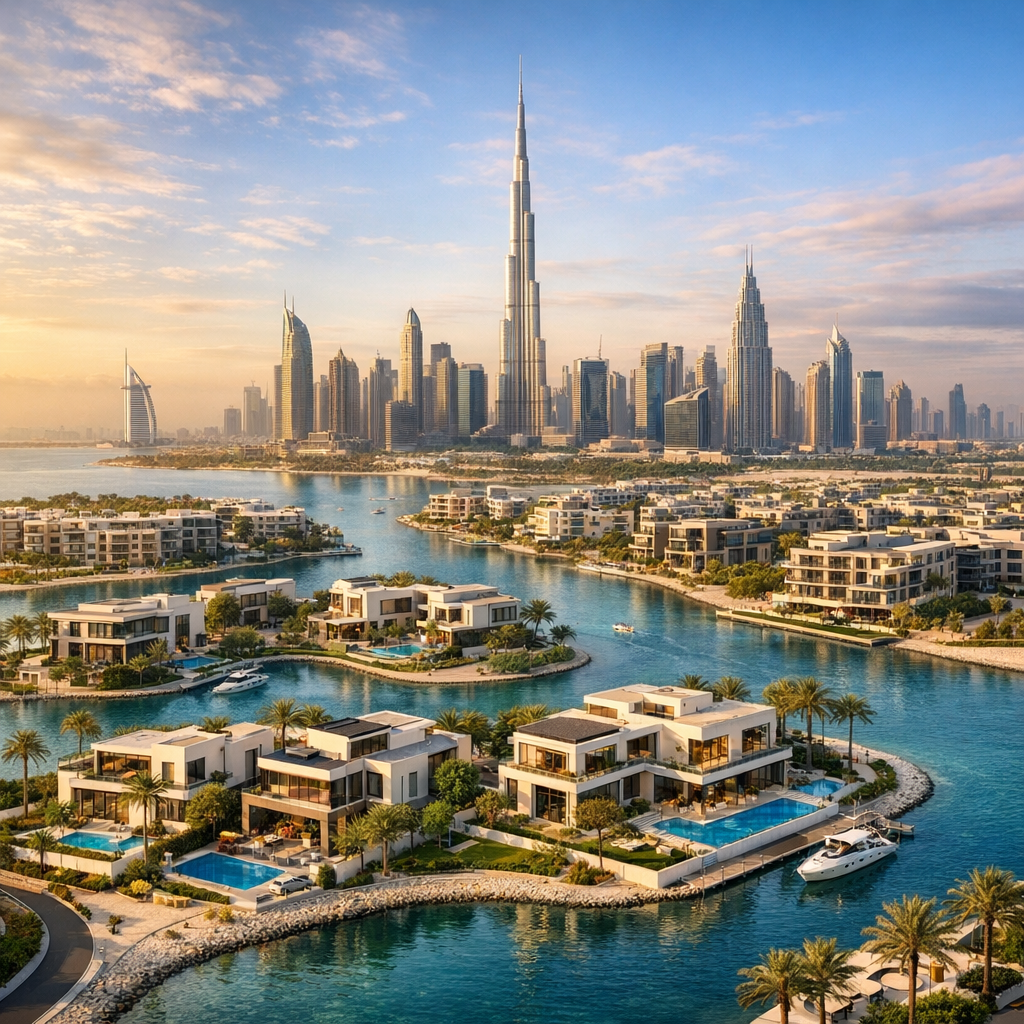
The luxury real estate segment remains robust, with prime villas, branded residences, and waterfront homes in high demand. Established districts like Palm Jumeirah, Jumeirah Bay Island, and Emirates Hills continue to attract buyers seeking premium properties.
Looking Ahead
As Dubai’s real estate market matures, stakeholders should stay informed about these evolving trends. Whether considering purchasing a home, investing, or renting, understanding the current landscape will aid in making informed decisions.