

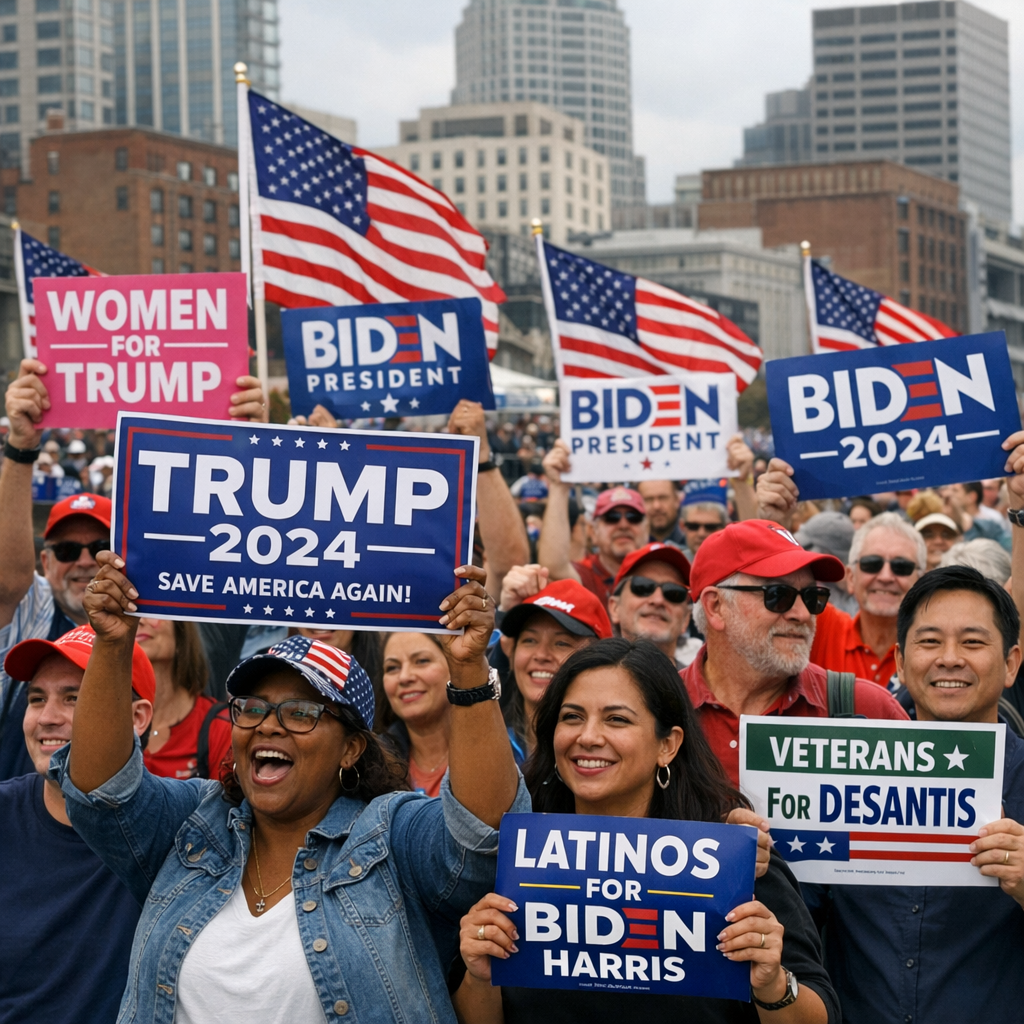
The United States is currently experiencing significant shifts in its political and economic spheres, with recent events underscoring the dynamic nature of the nation’s landscape.
Political Developments
In California, the gubernatorial race has garnered attention as candidates Hilton and Becerra lead the primary elections. This contest is indicative of the broader political climate, reflecting the diverse perspectives within the state’s electorate.
On the national stage, former President Donald Trump made headlines by walking out of an interview with NBC’s ‘Meet the Press’ following a contentious exchange over election claims. This incident highlights the ongoing debates surrounding electoral integrity and media relations in the U.S.
Economic Indicators
The U.S. economy presents a mixed picture. The services sector has shown resilience, with activity rising in May. However, supply constraints have led to increased prices, affecting both businesses and consumers. Additionally, the Federal Reserve has signaled potential interest rate adjustments in response to these economic conditions.
In the technology sector, chip stocks experienced a significant downturn, with the Nasdaq dropping by 4.2%. This decline is attributed to rising bond yields and concerns over the sustainability of growth expectations in the AI industry.
International Relations
U.S.-Iran tensions have escalated, with the U.S. conducting strikes near the Strait of Hormuz. Tehran has condemned these actions as violations of ceasefire agreements, adding complexity to the geopolitical landscape.
These developments underscore the multifaceted challenges facing the United States, as political dynamics, economic fluctuations, and international relations continue to evolve.