

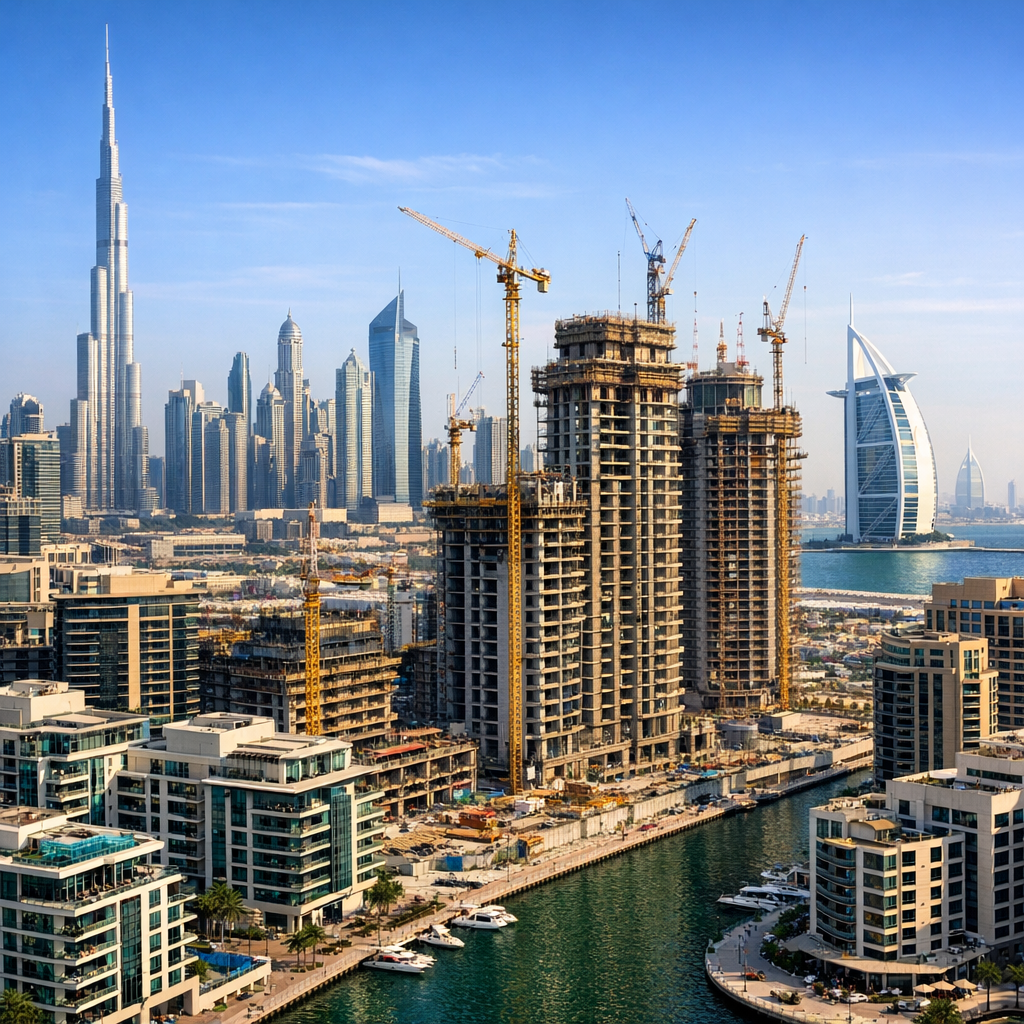
Dubai’s real estate market continues to evolve, reflecting the city’s dynamic growth and the diverse needs of its residents and investors. Understanding the current trends in rentals, home buying, and local developments is essential for making informed decisions.
Shifts in Rental Market Dynamics
The rental sector in Dubai has experienced notable changes. Average rents have risen by approximately 9% citywide, with studios and one-bedroom apartments seeing increases between 11% and 13%. This surge is largely due to population growth outpacing housing supply. Short-term rentals have also gained popularity, especially in areas like Dubai Marina and Downtown, where nightly rates for one-bedroom apartments range from AED 400 to AED 800. However, long-term tenants face a two-tier market, with new contracts often priced higher than renewals.
Trends in Home Buying
There’s a discernible shift from renting to homeownership among residents. This trend is driven by favorable long-term residency policies, such as the UAE Golden Visa, and initiatives like Dubai’s First-Time Home Buyer Programme, which has facilitated over 2,000 residents in purchasing their first homes, contributing more than AED 3.25 billion in residential property sales. Additionally, there’s an increasing demand for luxury and super-luxury homes, supported by a 46% year-on-year rise in high-net-worth individual inflows, reinforcing Dubai’s position as a global leader in wealth migration.
Local Developments and Infrastructure
Dubai’s commitment to infrastructure development continues to enhance its real estate appeal. Major projects like the Blue Line metro extension and the expansion of Al Maktoum International Airport are adding long-term value to surrounding communities. These developments not only improve connectivity but also boost the attractiveness of emerging residential areas.
Conclusion
Dubai’s real estate market is characterized by dynamic shifts in rentals, a growing inclination towards homeownership, and significant local developments. Staying informed about these trends is crucial for residents and investors aiming to navigate the market effectively.