

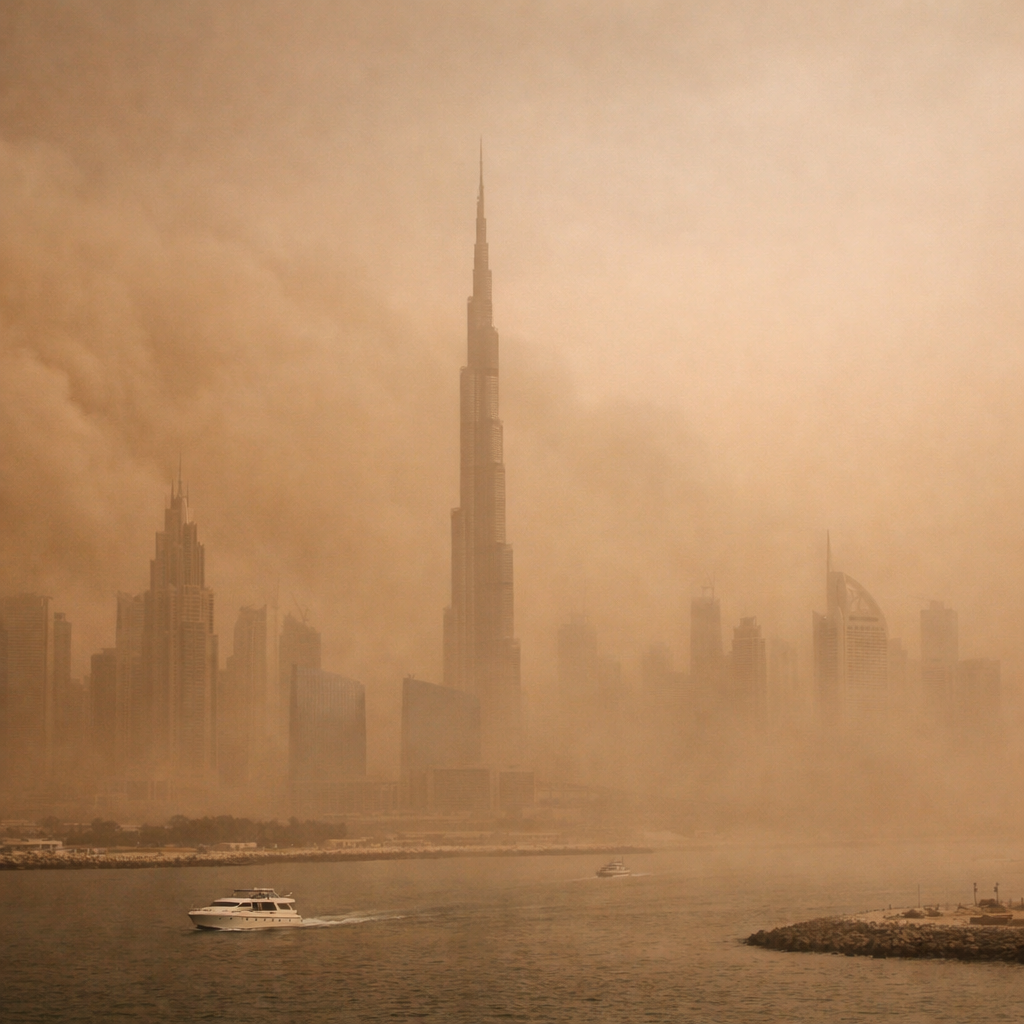
Dubai’s climate is characterized by its hot desert environment, marked by extreme temperatures, high humidity, and minimal rainfall. Understanding these patterns is essential for both residents and visitors to navigate the city’s weather conditions effectively.
Seasonal Overview
Summer (May to September)
During the summer months, Dubai experiences intense heat, with daytime temperatures often exceeding 40°C (104°F). Coastal areas face high humidity levels, sometimes reaching 80-90%, making outdoor activities challenging. The combination of heat and humidity can result in wet-bulb temperatures approaching human survivability limits, necessitating caution during outdoor exposure.
Winter (December to February)
Winters in Dubai are mild and pleasant, with daytime temperatures ranging between 20°C (68°F) and 26°C (79°F). This period is ideal for outdoor activities, as the weather is comfortable and rainfall is minimal, typically occurring as short, heavy bursts or thunderstorms.
Environmental Challenges
Sandstorms
Dubai occasionally experiences sandstorms, driven by strong north-westerly shamal winds. These events can reduce visibility and coat the city in fine desert dust, impacting daily life and health. Residents are advised to stay indoors during severe sandstorms and take necessary precautions.
Air Quality
Air pollution is a concern in Dubai, influenced by factors such as vehicle emissions, industrial activities, and construction dust. The city has been ranked among the most polluted globally based on PM2.5 concentrations, which can penetrate deep into the lungs and enter the bloodstream, increasing the risk of respiratory and cardiovascular illnesses. Efforts are ongoing to monitor and improve air quality through various initiatives.
Adaptation and Mitigation
Dubai is actively addressing its environmental challenges through sustainable development and climate adaptation strategies. The city has updated its nationally determined contribution (NDC), aiming to curb carbon emissions by 40% by 2030. Hosting the 28th UN Climate Conference of the Parties (COP28) in 2023, Dubai played a pivotal role in rallying the global community to combat climate change, culminating in the UAE Consensus, a milestone agreement signaling a commitment to transition away from fossil fuels.
Understanding Dubai’s climate and environmental challenges is crucial for residents and visitors to make informed decisions and contribute to the city’s sustainability efforts.