

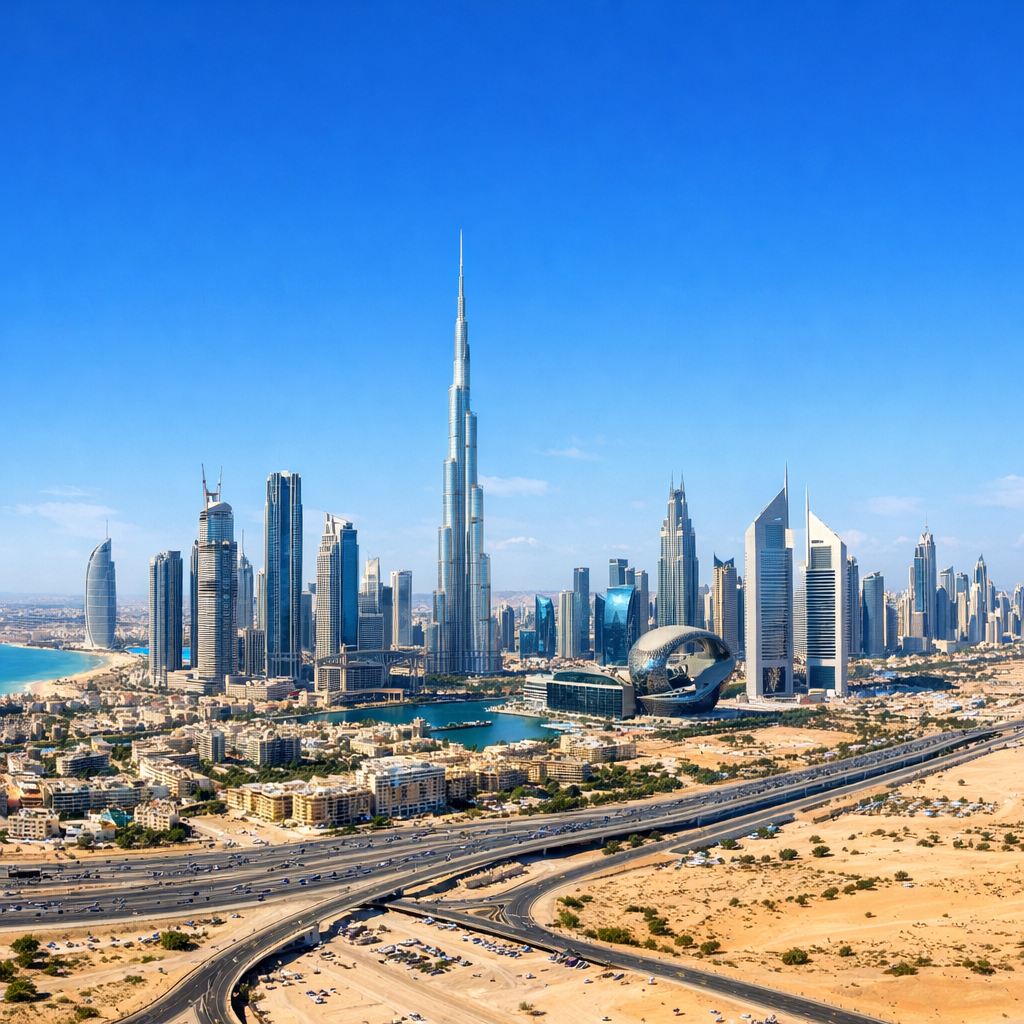
Dubai’s climate is characterized by its hot desert environment, offering residents and visitors two primary seasons: a long, intense summer and a short, mild winter. Understanding these patterns is essential for planning activities and ensuring comfort throughout the year.
Summer: May to September
During the summer months, Dubai experiences extreme heat, with daytime temperatures often exceeding 40°C (104°F). The combination of high temperatures and humidity, especially near the coast, can make outdoor activities challenging. It’s advisable to schedule outdoor plans during the early morning or late evening hours when temperatures are relatively cooler. Staying hydrated and wearing light, breathable clothing are essential during this period.
Winter: November to March
Winter in Dubai brings a welcome respite from the heat. Daytime temperatures range between 20°C (68°F) and 26°C (79°F), with cooler evenings. This season is ideal for outdoor activities, including beach outings, desert safaris, and exploring the city’s numerous attractions. Rainfall is rare but more likely during these months, so occasional showers may occur.
Transitional Periods: April and October
April and October serve as transitional months between the extreme seasons. Temperatures during these periods are moderate, making them suitable for various activities. However, it’s essential to stay updated on weather forecasts, as conditions can change rapidly.
Environmental Considerations
Dubai’s rapid urbanization and industrial activities have led to environmental challenges, including air quality concerns. Factors such as vehicle emissions, construction dust, and industrial pollutants contribute to varying air quality levels. Residents and visitors are encouraged to stay informed about daily air quality indices, especially those with respiratory conditions.
Additionally, the city occasionally experiences sandstorms, particularly during the summer months. These events can reduce visibility and air quality, so it’s advisable to remain indoors during severe conditions and ensure that windows and doors are securely closed.
By understanding Dubai’s climate and environmental factors, individuals can make informed decisions to enhance their comfort and safety throughout the year.