

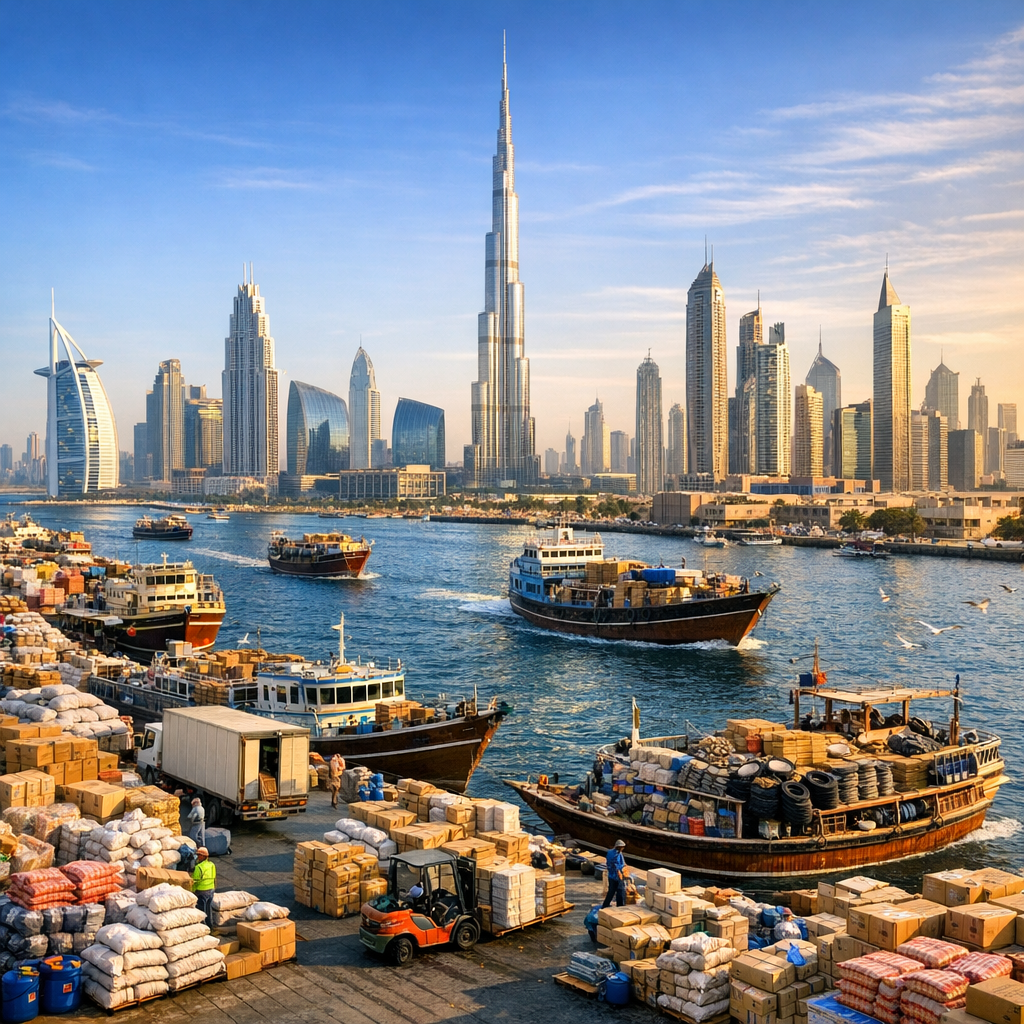
The global economy is currently navigating a complex landscape marked by geopolitical tensions, energy market disruptions, and technological advancements. These factors collectively influence economic growth, inflation rates, and trade dynamics worldwide.
Global Economic Outlook
Recent analyses indicate a moderation in global economic growth. The Organization for Economic Cooperation and Development (OECD) projects global growth to slow to 2.8% in 2026, down from 3.4% in 2025. This deceleration is attributed to factors such as energy supply shocks stemming from conflicts in the Middle East, which have introduced new inflationary pressures and heightened uncertainty.
Impact on Dubai’s Economy
Dubai’s strategic position as a global trade and financial hub makes it particularly sensitive to these global economic shifts. The emirate’s economy is closely linked to international trade flows, energy markets, and investment trends. A slowdown in global growth could affect trade volumes and investment inflows, while fluctuations in energy prices may impact sectors like transportation and logistics.
Strategic Considerations
To navigate these challenges, Dubai may consider diversifying its economic base further, investing in sectors less susceptible to global volatility, and enhancing its resilience to external shocks. Strengthening ties with emerging markets and fostering innovation-driven industries could also provide buffers against global economic uncertainties.
In conclusion, while the global economic landscape presents challenges, Dubai’s proactive and adaptive strategies can position it to mitigate risks and capitalize on emerging opportunities.