

The United States economy is experiencing a period of significant change, influenced by various domestic and international factors. Understanding these developments is crucial for both policymakers and the global community.
Job Market Dynamics
Recent data indicates a complex employment landscape. While certain sectors have seen job growth, others face challenges. For instance, the health care sector has been a consistent source of employment, yet overall job creation has been uneven. Notably, the unemployment rate for U.S.-born workers has risen over the past year, highlighting underlying issues in the labor market.
Inflation and Energy Prices
Inflation remains a pressing concern, with recent figures showing a rise to 4.2%. This uptick is partly attributed to escalating energy costs, exacerbated by geopolitical tensions. The conflict in Iran has led to increased oil prices, directly impacting gasoline costs for consumers. Such developments have raised concerns about the potential for sustained inflationary pressures.
Stock Market Volatility
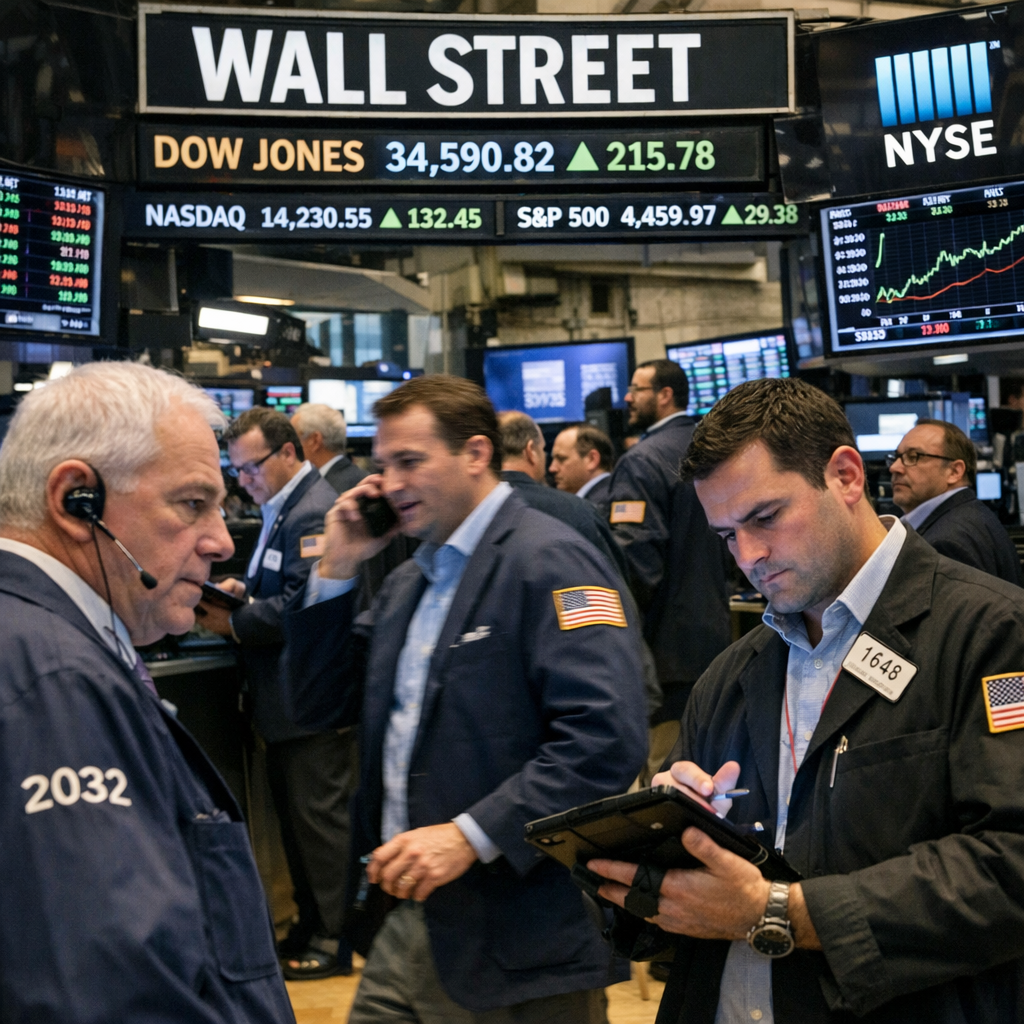
The stock market has exhibited notable volatility. The Dow Jones Industrial Average, for example, has experienced fluctuations, reflecting investor uncertainty. While some sectors remain resilient, the overall market sentiment suggests caution, influenced by both domestic policies and international events.
Productivity and Wage Growth
On a positive note, labor productivity has seen an uptick, indicating that businesses are generating more output per hour worked. However, this increase has not necessarily translated into higher wages for workers, as labor’s share of income has declined. This disparity raises questions about income distribution and economic equity.
Comparative Economic Performance
When comparing recent economic performance to previous administrations, it’s evident that growth rates have varied. For instance, the economy grew at a 2.8% pace during the last year of the previous administration, compared to 2.2% in the current period. Such comparisons provide context for evaluating current economic policies and their effectiveness.
In conclusion, the U.S. economy is navigating a complex landscape marked by both challenges and opportunities. Continuous monitoring and adaptive policies will be essential in addressing these evolving dynamics.