

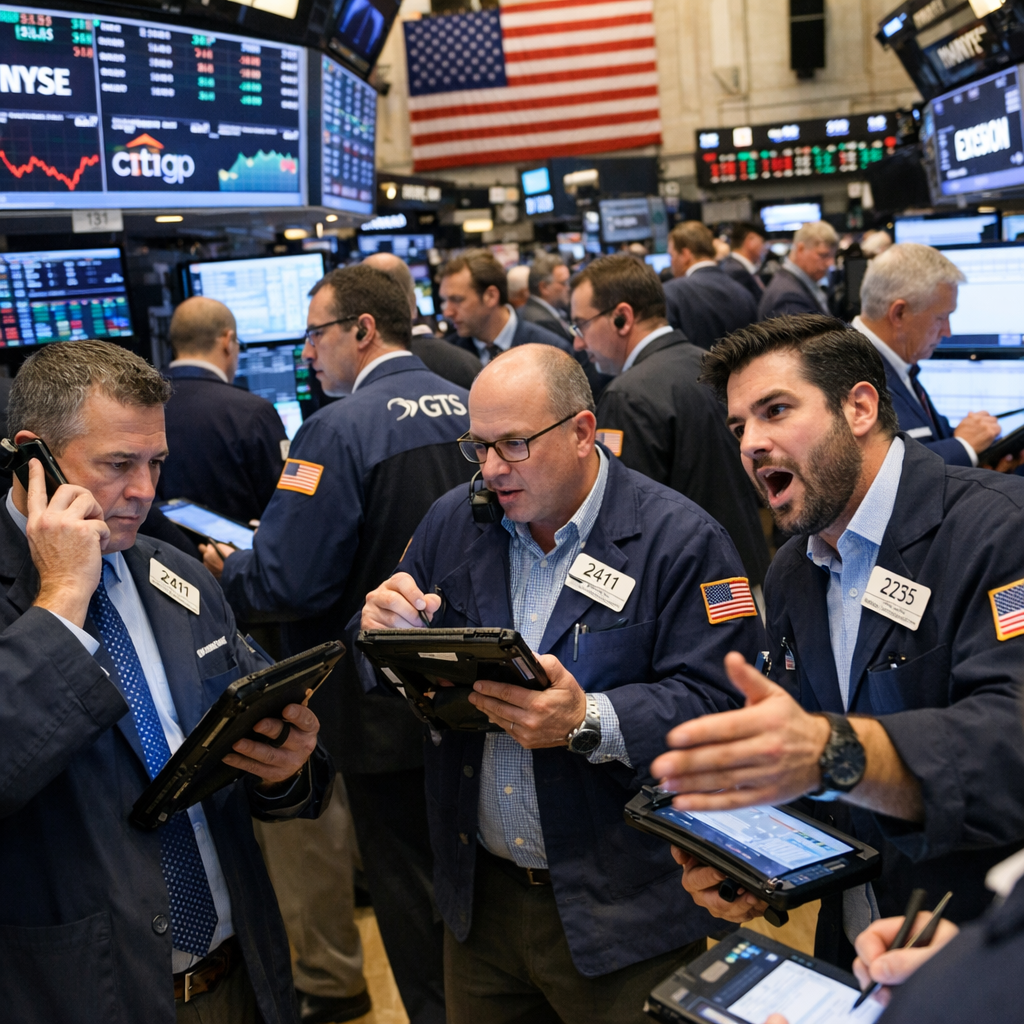
The United States economy, a pivotal force in global markets, has recently experienced notable fluctuations. These changes hold significance not only for American citizens but also for international observers, including those in Dubai.
Employment Trends
Recent data indicates a mixed picture in the U.S. job market. While certain sectors have seen growth, others face challenges. For instance, the health care sector has been a consistent source of employment, whereas manufacturing has encountered setbacks. This sectoral disparity underscores the complexity of the current economic landscape.
Inflation and Consumer Prices
Inflation rates have shown an upward trend, influenced by various factors including global events. The conflict in Iran has notably impacted oil prices, leading to increased costs at the pump for American consumers. Such developments have a cascading effect on the overall cost of living, affecting household budgets and spending behaviors.
Global Trade and Tariffs
Trade policies continue to play a crucial role in shaping the U.S. economy. Recent tariff implementations have led to market volatility, with stock indices experiencing fluctuations. These policies not only affect domestic industries but also have implications for international trade partners, including those in the Middle East.
Implications for Global Markets
The interconnectedness of the global economy means that shifts in the U.S. economic landscape resonate worldwide. For Dubai, a hub of international trade and finance, staying informed about these developments is essential. Understanding the nuances of the U.S. economy aids in strategic planning and fosters informed decision-making in the face of global economic dynamics.