

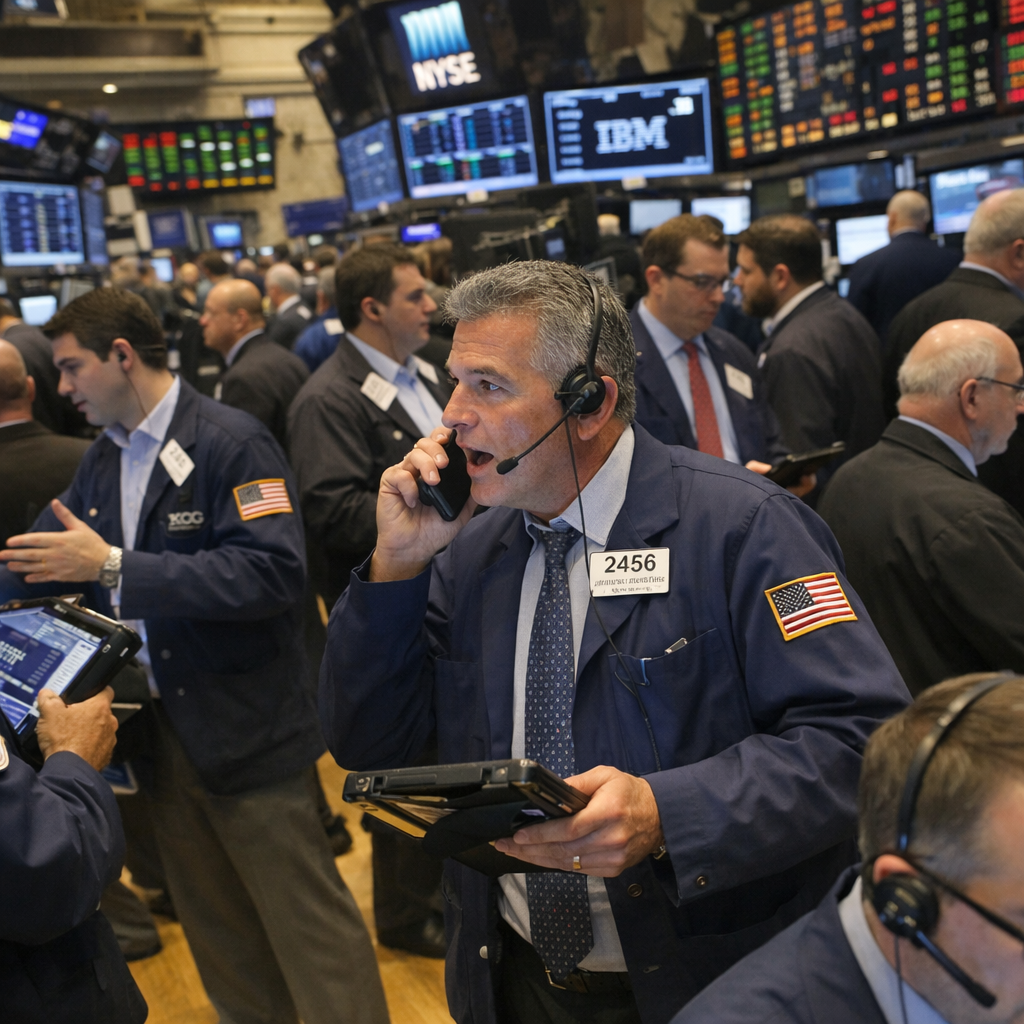
The United States continues to experience significant economic and political shifts, with recent developments influencing both domestic and international landscapes.
Economic Performance and Projections
In 2025, the U.S. economy demonstrated resilience, achieving a 2% growth rate despite policy changes and a government shutdown in the fourth quarter. This growth was underpinned by strong productivity gains. Inflation remained stable, as tariff-induced increases in goods prices were offset by declining services inflation. The fiscal deficit saw a slight reduction, though both debt levels and the current account deficit remained elevated. Looking ahead, growth is projected to rise to 2.4% in 2026, with core PCE inflation expected to return to 2% during the first half of 2027. Employment growth is slowing, but unemployment is anticipated to stay near 4%.
Trade Policies and Tariffs
Trade policies have been a focal point, with higher tariffs projected to modestly lower the trade deficit and generate additional revenue in the near term. However, these tariffs represent a negative supply shock, expected to raise the PCE price index by approximately 0.5% by early 2026 and reduce output levels by a similar margin. The renegotiation of the United States-Mexico-Canada Agreement (USMCA) in 2026 is also poised to play a pivotal role in shaping cross-border trade, investment flows, and overall market confidence across the region.
Labor Market and Immigration
The labor market has shown signs of slowing, with employment growth expected to be less than half the pace seen in the five years prior to the pandemic. Stricter border enforcement and increased removals are anticipated to reduce the size of the foreign-born labor force, leading to slower employment growth, a modest increase in inflationary pressures, and a reduction in activity of around 0.4% by 2027.
Political Landscape and Upcoming Elections
As the 2026 midterm elections approach, political dynamics are shifting. Democrats have a chance to make significant gains, with President Trump and his party facing challenges related to persistent inflation and an unpopular conflict with Iran. Historically, the party controlling the White House tends to lose congressional seats during the midterms, and current polling indicates a lead for Democrats in the generic ballot.
Implications for the Global Economy
These developments in the U.S. have broader implications for the global economy. The interplay between trade policies, labor market dynamics, and political shifts in the U.S. can influence global trade patterns, investment decisions, and economic growth trajectories worldwide.
Staying informed about these evolving trends is crucial for understanding the potential impacts on both domestic and international fronts.