

Dubai’s climate is characterized by its hot desert environment, featuring scorching summers and mild winters. Understanding these patterns is essential for both residents and visitors to navigate the city’s weather conditions effectively.
Seasonal Weather Patterns
Summer (May to September)
During the summer months, Dubai experiences intense heat, with daytime temperatures often exceeding 40°C (104°F). Coastal areas face high humidity levels, making the heat feel even more oppressive. This combination can lead to challenging outdoor conditions, necessitating precautions such as staying hydrated and limiting sun exposure during peak hours.
Winter (December to February)
In contrast, winter offers a respite with cooler temperatures ranging from 20°C to 26°C (68°F to 79°F). This period is marked by pleasant weather, making it ideal for outdoor activities. Rainfall is rare but more likely during these months, typically occurring as short, heavy bursts or thunderstorms.
Environmental Challenges
Sandstorms
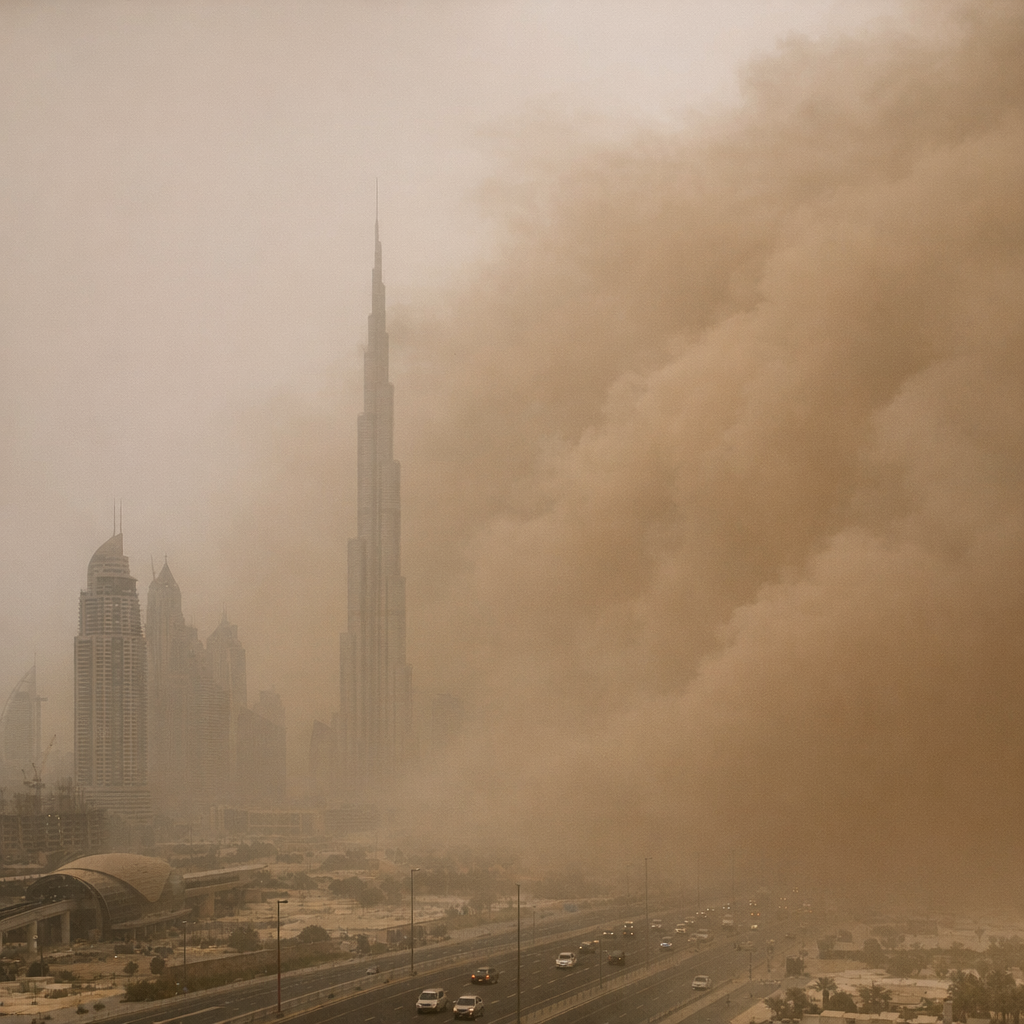
Dubai occasionally experiences sandstorms, driven by strong north-westerly winds known as ‘Shamal.’ These events can reduce visibility and air quality, posing challenges for transportation and outdoor activities. It’s advisable to stay indoors during severe sandstorms and monitor weather updates.
Air Quality
Urbanization and industrial activities contribute to air pollution in Dubai. Factors such as vehicle emissions, construction dust, and industrial outputs can elevate pollution levels, affecting respiratory health. The best air quality is typically recorded in December and January, following periods of rain or cooler weather.
Adaptation and Mitigation Efforts
Recognizing these challenges, Dubai has implemented various measures to mitigate environmental impacts. Initiatives include promoting the use of electric and hybrid vehicles, enforcing dust-control measures at construction sites, and investing in green infrastructure to enhance urban resilience against climate extremes.
Understanding Dubai’s climate and environmental challenges is crucial for making informed decisions about daily activities and long-term planning. Staying informed through reliable weather forecasts and adhering to local guidelines can help navigate the city’s unique environmental landscape effectively.