

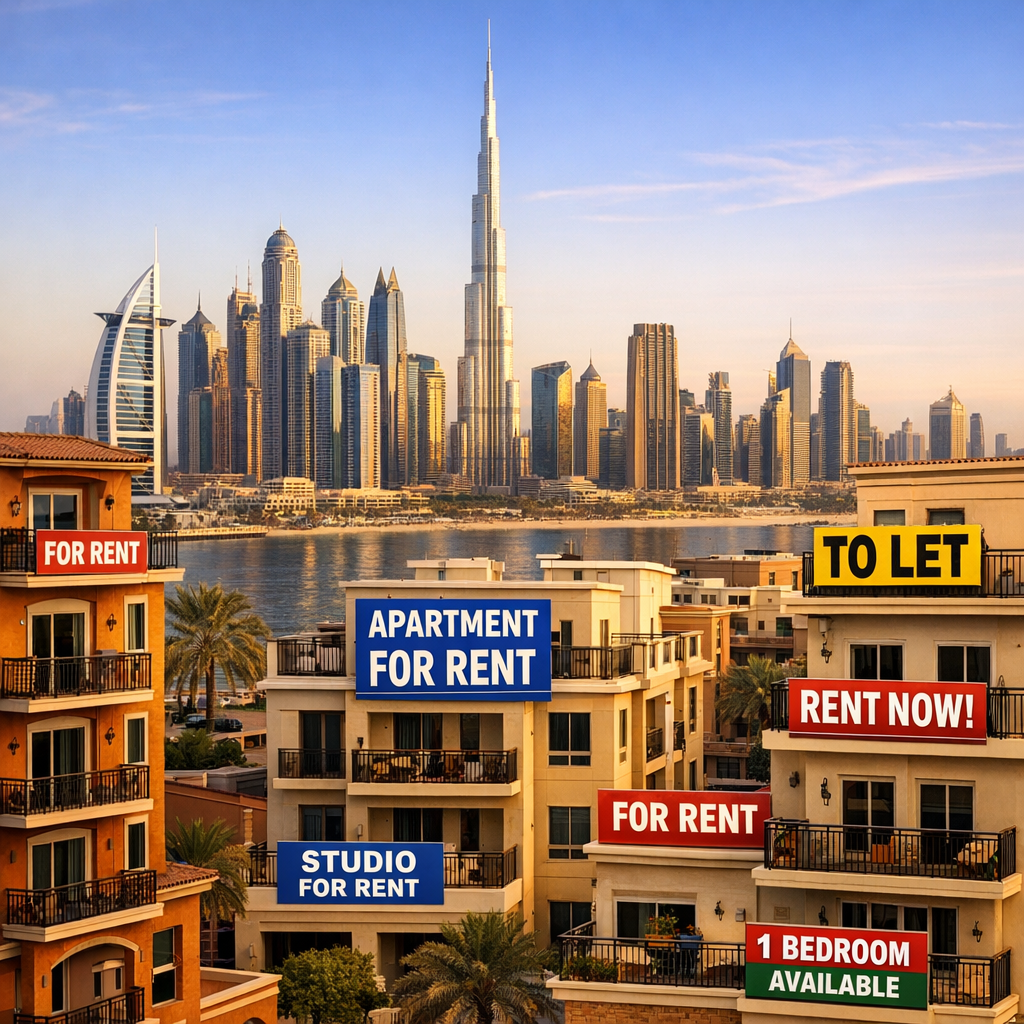
Dubai’s rental market is undergoing a significant transformation, moving from a period of rapid rent increases to a more balanced environment. This shift presents both opportunities and challenges for tenants and landlords alike.
Current Market Trends
Recent data indicates a moderation in rental prices across various segments. For instance, in early 2026, average rents in Dubai decreased by approximately 6.7%, reflecting a genuine correction in the market. This change is largely attributed to an influx of new residential units, providing tenants with more options and increasing competition among landlords.
Implications for Tenants
For tenants, the current market conditions are favorable. The increased availability of rental properties means more choices and greater negotiating power. Tenants can now explore different communities and property types that were previously out of reach due to higher prices. Additionally, the stabilization of rents offers a respite from the steep increases experienced in previous years.
Considerations for Landlords
Landlords, on the other hand, face a more competitive landscape. With the rise in available properties, maintaining occupancy rates becomes crucial. Offering competitive pricing, enhancing property features, and providing excellent tenant services are essential strategies to attract and retain tenants in this evolving market.
Looking Ahead
As Dubai’s real estate market continues to mature, both tenants and landlords must stay informed about ongoing trends. Tenants should leverage the current market to find properties that best suit their needs and budgets, while landlords should adapt to the changing dynamics to ensure sustained occupancy and returns.
In conclusion, the stabilization of Dubai’s rental market marks a new chapter, offering a more balanced environment for all stakeholders. Staying attuned to market developments and adopting flexible strategies will be key to navigating this landscape successfully.