

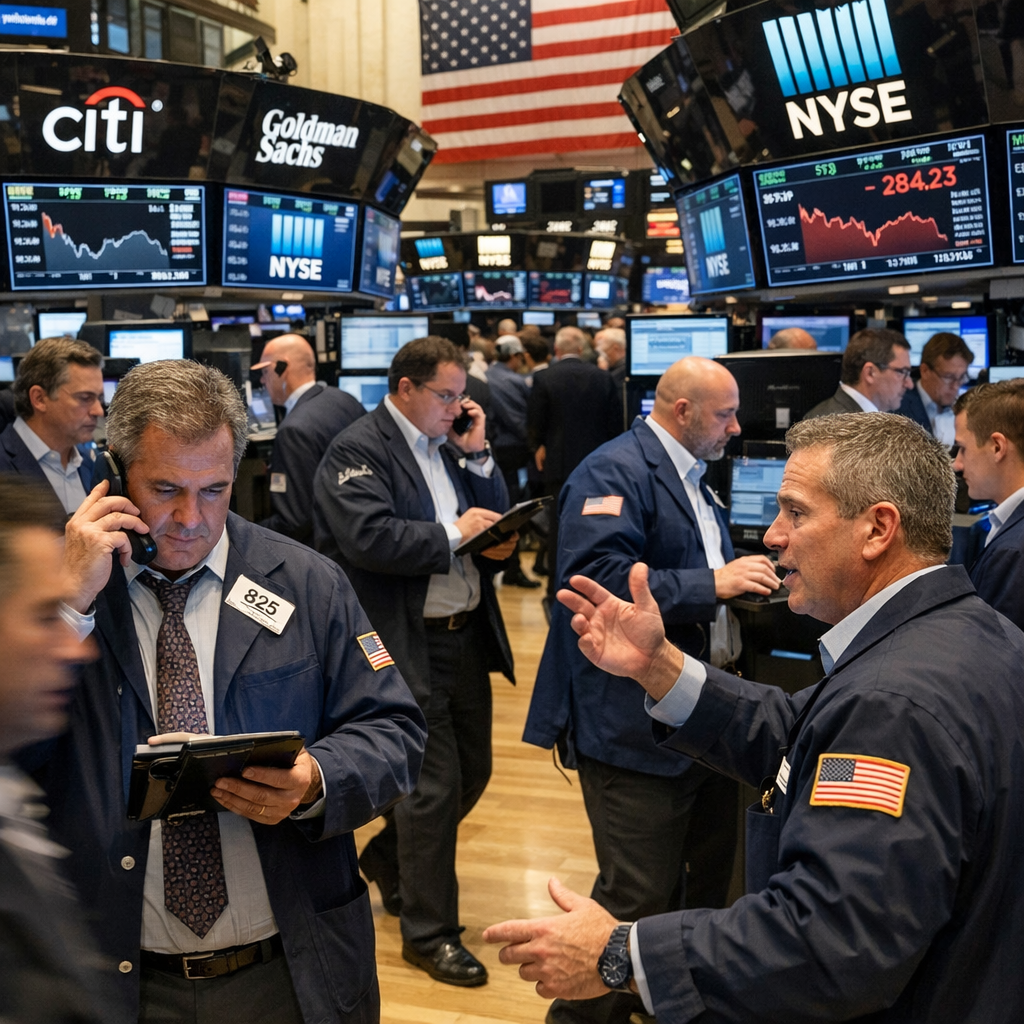
The United States continues to experience a dynamic economic and political environment, marked by resilience amid uncertainties. As of mid-2026, several key developments are shaping the nation’s trajectory.
Economic Performance and Outlook
In 2025, the U.S. economy demonstrated notable growth, with the Gross Domestic Product (GDP) reaching $30.8 trillion, reflecting a 2.2% increase from the previous year. This growth aligns with the average annual rate observed between 2000 and 2024. The labor market remained robust, adding 115,000 jobs in April 2026, maintaining the unemployment rate at 4.3%. This trend indicates a steady recovery, with more jobs created since January than during the entire year of 2025.
However, challenges persist. Inflation has shown a slight uptick, influenced by factors such as increased tariffs and rising energy prices. The International Monetary Fund (IMF) projects that the inflationary impact of tariffs will diminish, with core Personal Consumption Expenditures (PCE) inflation expected to return to 2% during the first half of 2027. Additionally, the fiscal deficit remains a concern, with general government debt projected to exceed 140% of GDP by 2031.
Trade Policies and Global Relations
Trade policies continue to play a significant role in the U.S. economic landscape. The administration’s protectionist stance has led to the implementation of higher tariffs, which, while intended to reduce the trade deficit, have also contributed to increased consumer prices and supply chain disruptions. The renegotiation of the United States-Mexico-Canada Agreement (USMCA) is underway, with potential revisions that could impact cross-border trade and investment flows.
Geopolitical tensions, particularly in the Middle East, have further complicated the economic outlook. Recent airstrikes on Iran have led to a surge in fuel prices, affecting transportation and agricultural costs. These developments pose additional challenges for policymakers striving to balance economic growth with national security concerns.
Political Climate and Upcoming Elections
The political landscape is equally dynamic, with the upcoming midterm elections poised to reshape the balance of power in Congress. Public dissatisfaction with persistent inflation and foreign policy decisions has led to a decline in support for the current administration. Historically, the party controlling the White House tends to lose congressional seats during midterms, and current polling suggests that Democrats may gain ground, potentially reclaiming the House of Representatives.
Key voter demographics, including Hispanics, working-class white women, and Generation Z men, have shown shifting allegiances, further influencing the electoral outlook. The outcome of these elections will have significant implications for future policy directions, particularly concerning economic and trade policies.
Conclusion
As the United States navigates this period of economic and political transformation, stakeholders must remain vigilant and adaptable. The interplay between domestic policies, global relations, and electoral outcomes will continue to shape the nation’s path forward. Understanding these dynamics is crucial for businesses, investors, and policymakers aiming to make informed decisions in an ever-evolving landscape.