

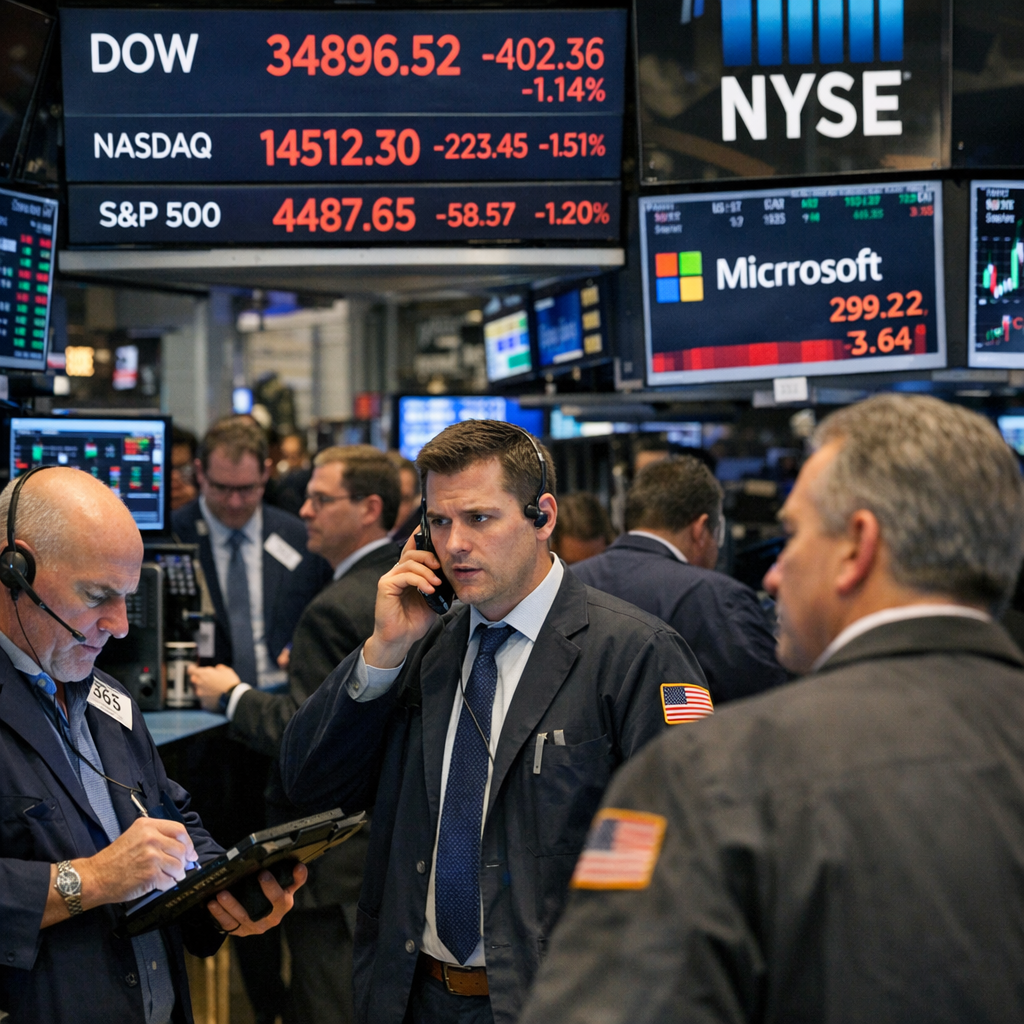
The United States economy has been navigating a complex landscape marked by various challenges and developments. Recent data provides insight into the nation’s economic health and the factors influencing its trajectory.
Economic Growth and Inflation
In the fourth quarter of 2025, the U.S. economy expanded at a sluggish 0.7% annual rate, reflecting the impact of a 43-day government shutdown. This growth rate was a significant downgrade from initial estimates, indicating the shutdown’s substantial effect on economic activity. Additionally, inflation has been a persistent concern, with the annual level reaching 2.7% in September 2025. This rise in inflation has been influenced by various factors, including global events and domestic policies.
Consumer Confidence and Retail Sales
Consumer confidence has experienced a decline, reaching its lowest level since April 2025. Americans have expressed concerns about job security, the cost of living, and the overall economic outlook. Retail sales data from September 2025 showed a 0.2% increase; however, after adjusting for inflation, spending actually decreased by 0.1%. This suggests that consumers are feeling the pinch of rising prices and are adjusting their spending habits accordingly.
Federal Reserve Policies
The Federal Reserve has been closely monitoring these economic indicators. In response to the sluggish growth and rising inflation, the Fed has considered adjusting interest rates to stimulate the economy while keeping inflation in check. The central bank’s decisions in the coming months will be crucial in determining the direction of the U.S. economy.
Global Influences
International events, such as the ongoing conflict in Iran, have also played a role in shaping the U.S. economic landscape. The war has led to fluctuations in oil prices, which, in turn, have impacted inflation and consumer spending. Additionally, global trade tensions and tariff policies have influenced various sectors of the economy, adding layers of complexity to the current economic environment.
Conclusion
As the U.S. economy continues to face multiple challenges, including political uncertainties, global conflicts, and domestic policy decisions, it remains essential for policymakers, businesses, and consumers to stay informed and adaptable. Understanding the interplay of these factors is key to navigating the evolving economic landscape.