

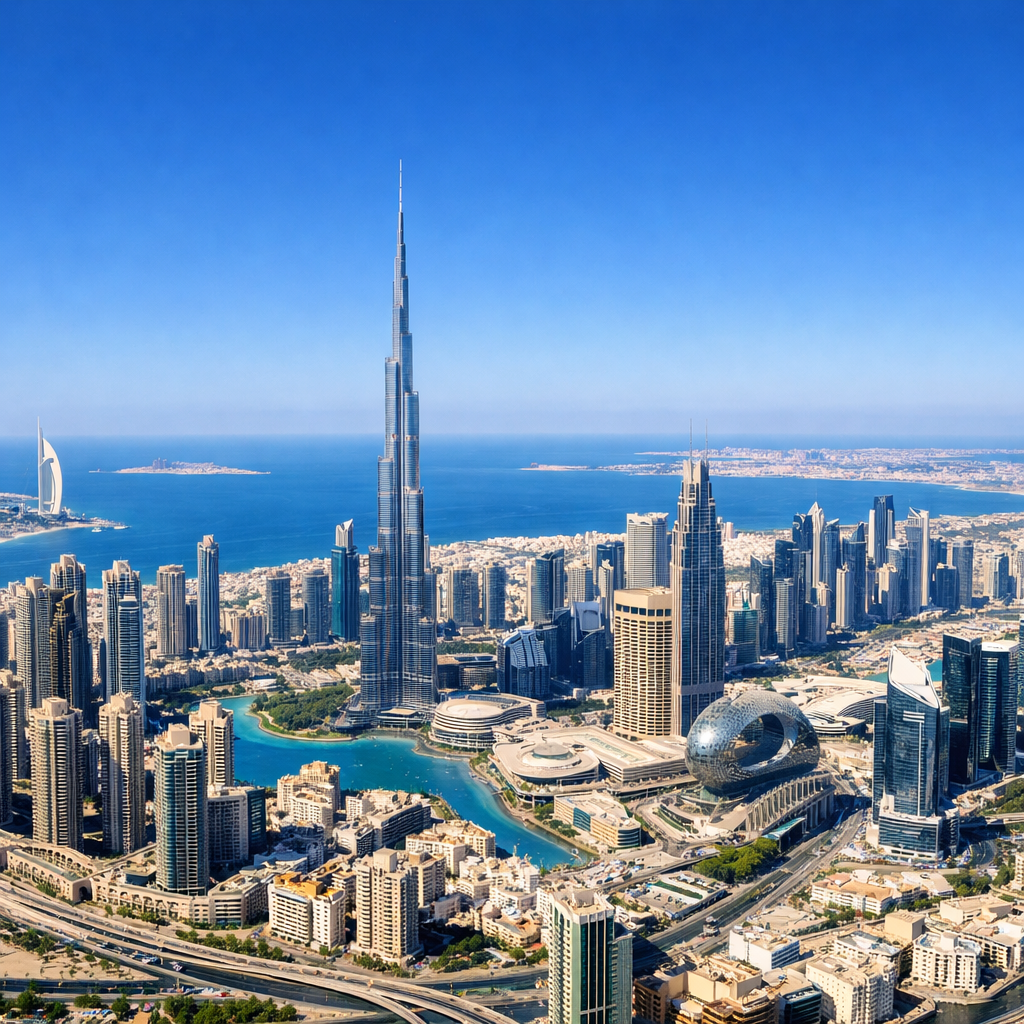
Dubai’s climate is characterized by its hot desert environment, offering residents and visitors distinct seasonal experiences. Understanding these patterns is essential for planning daily activities and ensuring comfort throughout the year.
Seasonal Overview
Summer (May to October)
During the summer months, Dubai experiences intense heat, with daytime temperatures often exceeding 40°C (104°F). Coastal areas, including the city center, face high humidity levels due to proximity to the Arabian Gulf, making the heat feel more oppressive. Inland regions may experience slightly lower humidity but can have even higher temperatures. It’s advisable to limit outdoor activities during peak heat hours and stay hydrated.
Winter (November to April)
Winter brings milder temperatures, ranging from 20°C to 26°C (68°F to 79°F), providing a comfortable climate for outdoor activities. This period also sees the majority of Dubai’s annual rainfall, though precipitation remains minimal. Occasional rain showers can occur, offering brief respite from the arid conditions.
Environmental Factors
Air Quality
Dubai’s rapid urbanization and industrial activities contribute to air quality challenges. Common pollutants include particulate matter (PM2.5 and PM10) from construction dust and vehicle emissions, as well as nitrogen dioxide (NO₂) from traffic congestion. These pollutants can impact respiratory health, especially during periods of low wind movement when pollutants accumulate.
Sandstorms
Seasonal winds, particularly the northwesterly ‘Shamal,’ can stir up desert sands, leading to sandstorms that reduce visibility and air quality. These events are more frequent during the summer months and can last for several days. It’s advisable to stay indoors during severe sandstorms and ensure that windows and doors are sealed to prevent dust ingress.
Adaptation Strategies
To cope with Dubai’s climate, residents and visitors can adopt several strategies:
- Stay Informed: Regularly check weather forecasts and air quality indices to plan activities accordingly.
- Hydration: Maintain adequate hydration, especially during the hotter months, to prevent heat-related illnesses.
- Protective Measures: Use sun protection, such as hats and sunscreen, and wear light, breathable clothing to stay cool.
- Indoor Activities: Plan outdoor activities during cooler parts of the day and utilize indoor venues during peak heat periods.
By understanding Dubai’s climate and environmental factors, individuals can make informed decisions to enhance their comfort and well-being throughout the year.