

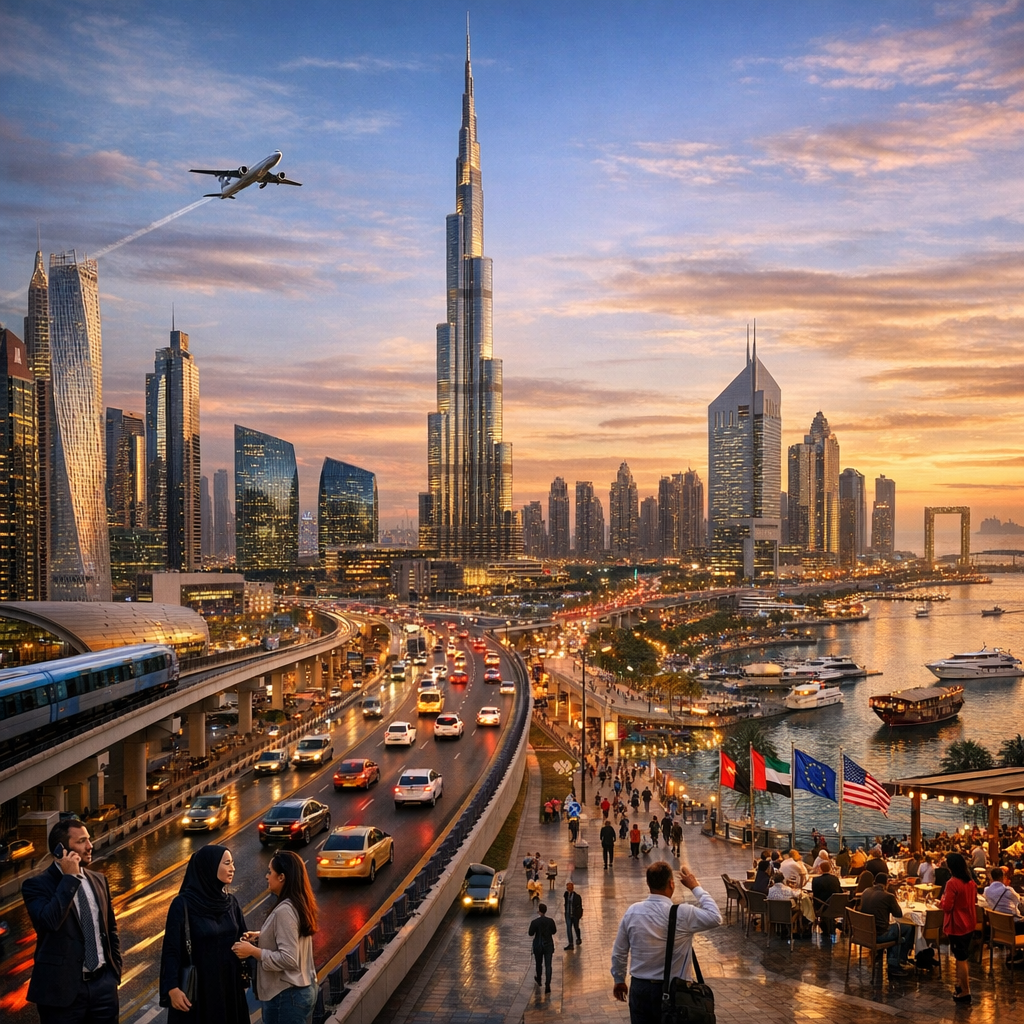
In recent times, Dubai has faced significant challenges due to regional conflicts, particularly the tensions involving Iran. These events have tested the city’s longstanding reputation as a safe haven for global business and tourism. However, Dubai’s proactive measures and strategic initiatives have demonstrated its resilience and commitment to maintaining its status as a premier global destination.
Impact on Key Sectors
The luxury industry, a cornerstone of Dubai’s economy, experienced notable disruptions. The 2026 conflict led to a substantial decline in tourist numbers, directly affecting retail and hospitality sectors. For instance, Dubai Mall reported a 50% drop in visitors during March 2026, leading to a significant decrease in sales for luxury brands. This downturn underscored the immediate economic repercussions of regional instability on Dubai’s commercial landscape.
Proactive Measures and Strategic Initiatives
In response to these challenges, Dubai’s authorities implemented a series of strategic initiatives aimed at revitalizing the city’s economy and reinforcing its global standing. The Dubai Department of Economy and Tourism (DET) spearheaded efforts to sustain and boost the tourism sector. By organizing mega events and launching global campaigns, DET aimed to attract international visitors and reassure stakeholders of Dubai’s stability and vibrancy.
Furthermore, Dubai’s commitment to hosting large-scale events has been unwavering. The Dubai World Trade Centre (DWTC) reported that events hosted at the venue generated AED22.35 billion ($6.08 billion) in economic value, with a significant portion of attendees coming from overseas. This emphasis on events underscores Dubai’s strategy to leverage its world-class infrastructure and connectivity to drive economic growth.
Reinforcing Global Positioning
Dubai’s resilience is also evident in its ability to secure and host international conferences and summits. In 2024, the city secured 437 international events, attracting over 210,000 delegates across various sectors, including healthcare, technology, artificial intelligence, and sustainability. Such achievements highlight Dubai’s strategic vision and its capacity to adapt and thrive amidst global challenges.
Conclusion
Dubai’s response to recent regional conflicts exemplifies its resilience and strategic foresight. By implementing proactive measures, focusing on large-scale events, and reinforcing its global positioning, Dubai continues to demonstrate its commitment to maintaining its status as a leading global hub for business, tourism, and innovation.