

In recent times, the global economy has faced significant challenges, notably due to escalating conflicts in the Middle East. These tensions have led to disruptions in energy supplies, causing a surge in oil prices and contributing to rising inflation worldwide. The Organization for Economic Cooperation and Development (OECD) projects global growth to slow to 2.8% in 2026, down from 3.4% in 2025, with inflation expected to reach 4.0% in 2026.
For Dubai, a city deeply integrated into the global economy, these developments present both challenges and opportunities. The increase in oil prices can bolster revenues for the United Arab Emirates, potentially leading to increased public spending and investment in infrastructure projects. However, higher energy costs may also elevate operational expenses for businesses and contribute to inflationary pressures domestically.
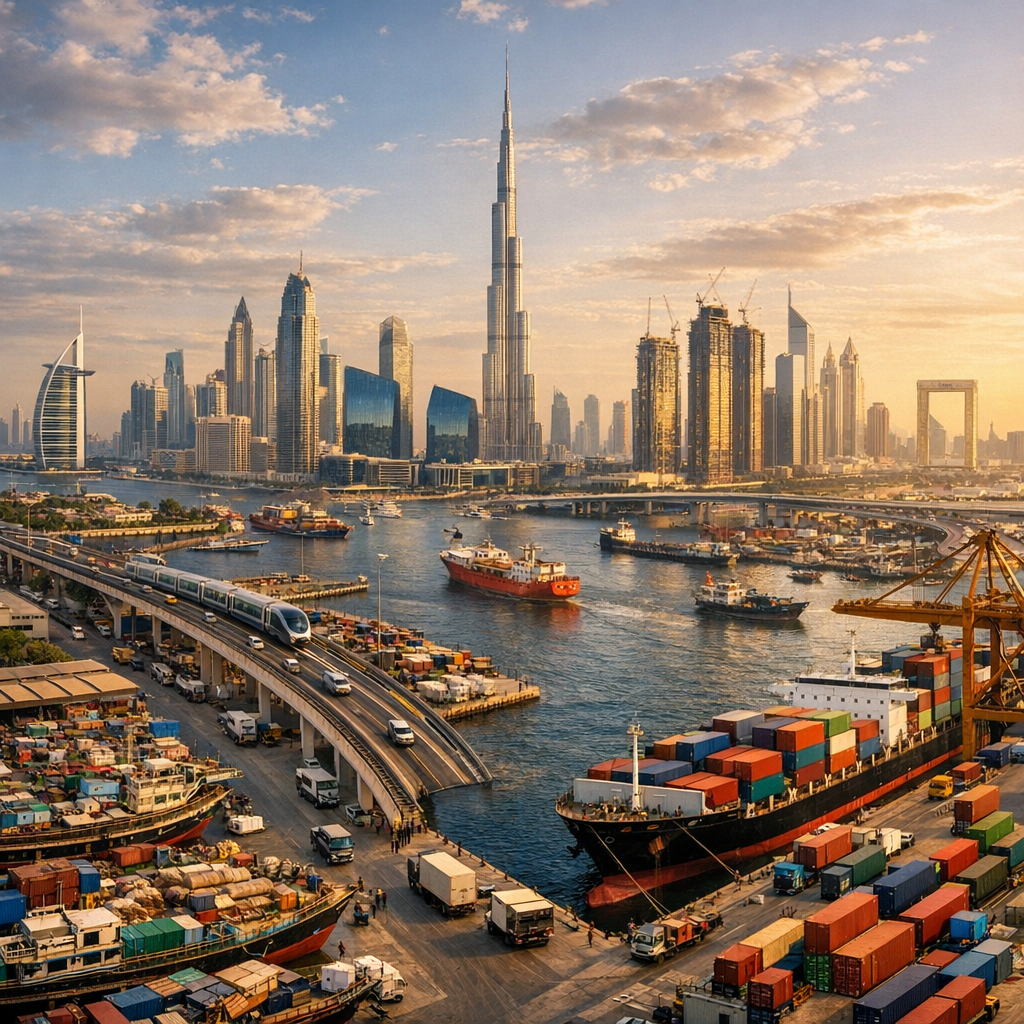
To navigate these global economic shifts, Dubai is focusing on diversifying its economy beyond oil dependency. Investments in sectors such as technology, tourism, and renewable energy are being prioritized to build a more resilient economic foundation. Additionally, the city is enhancing its position as a global trade hub by strengthening logistics and supply chain capabilities, aiming to mitigate the impact of global trade disruptions.
In conclusion, while global economic trends pose certain challenges, Dubai’s proactive strategies in economic diversification and infrastructure development position it to adapt effectively. By leveraging its strategic location and embracing innovation, Dubai continues to reinforce its status as a dynamic and resilient global city.