

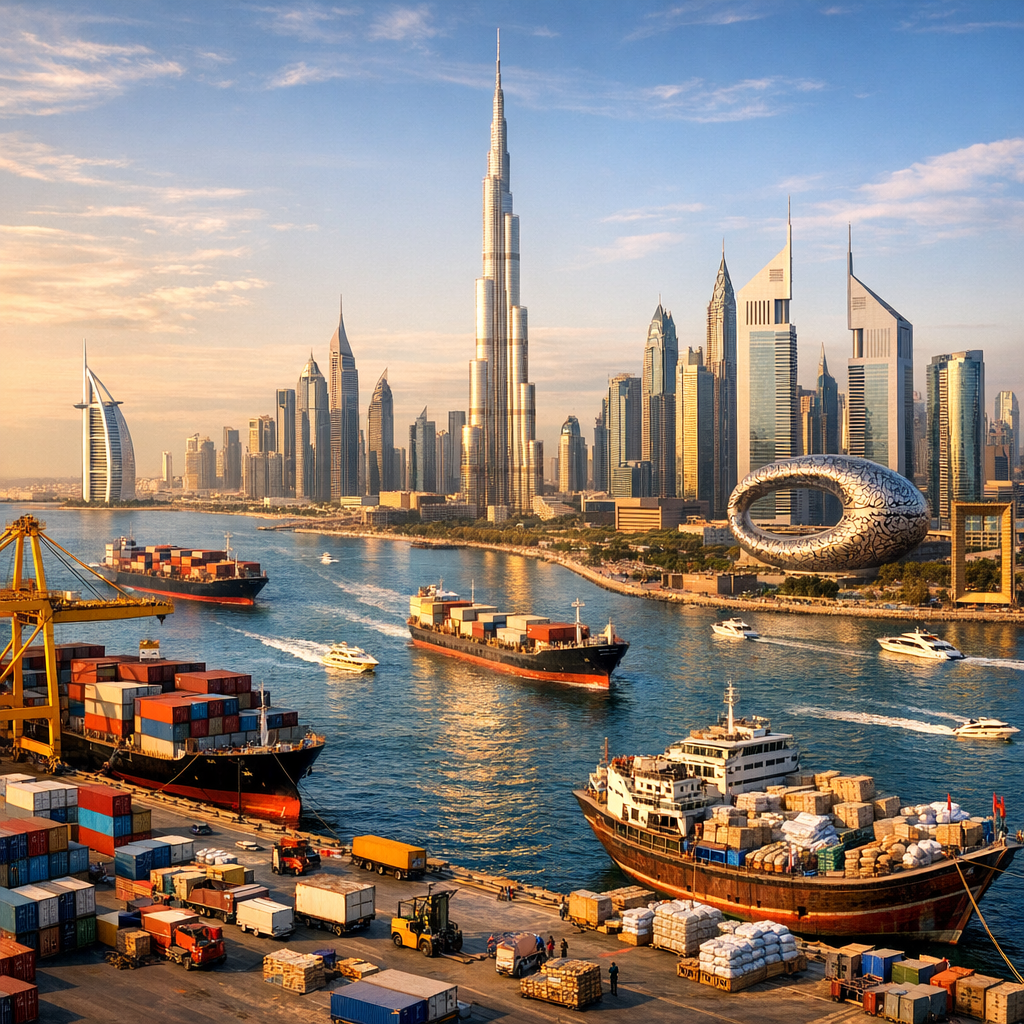
As the global economy faces significant challenges, including energy crises and rising inflation, Dubai’s strategic position and diversified economy offer both opportunities and challenges.
Global Economic Landscape
The ongoing conflict in the Middle East has led to disruptions in oil exports, causing a surge in energy prices and inflationary pressures worldwide. The Organization for Economic Cooperation and Development (OECD) projects global growth to slow to 2.8% in 2026, with inflation expected to reach around 4.5% globally. The United States shows resilience with a projected GDP growth of 2.1%, while Europe faces stagflation, and China’s growth is anticipated to slow to 4.5% amid real estate challenges.
Dubai’s Economic Resilience
Dubai’s economy, traditionally reliant on oil, has diversified into sectors such as tourism, real estate, and finance. This diversification positions Dubai to mitigate some impacts of global energy market volatility. However, the city remains sensitive to fluctuations in global trade and investment flows.
Strategic Initiatives
To navigate these global economic shifts, Dubai is focusing on several strategic initiatives:
- Energy Diversification: Investing in renewable energy projects to reduce dependence on oil and enhance energy security.
- Trade Partnerships: Strengthening trade relations with emerging markets to offset potential declines from traditional partners.
- Innovation and Technology: Promoting sectors like artificial intelligence and fintech to drive economic growth and attract foreign investment.
Conclusion
While global economic challenges persist, Dubai’s proactive strategies and diversified economy position it to adapt and thrive in a rapidly changing global landscape.