

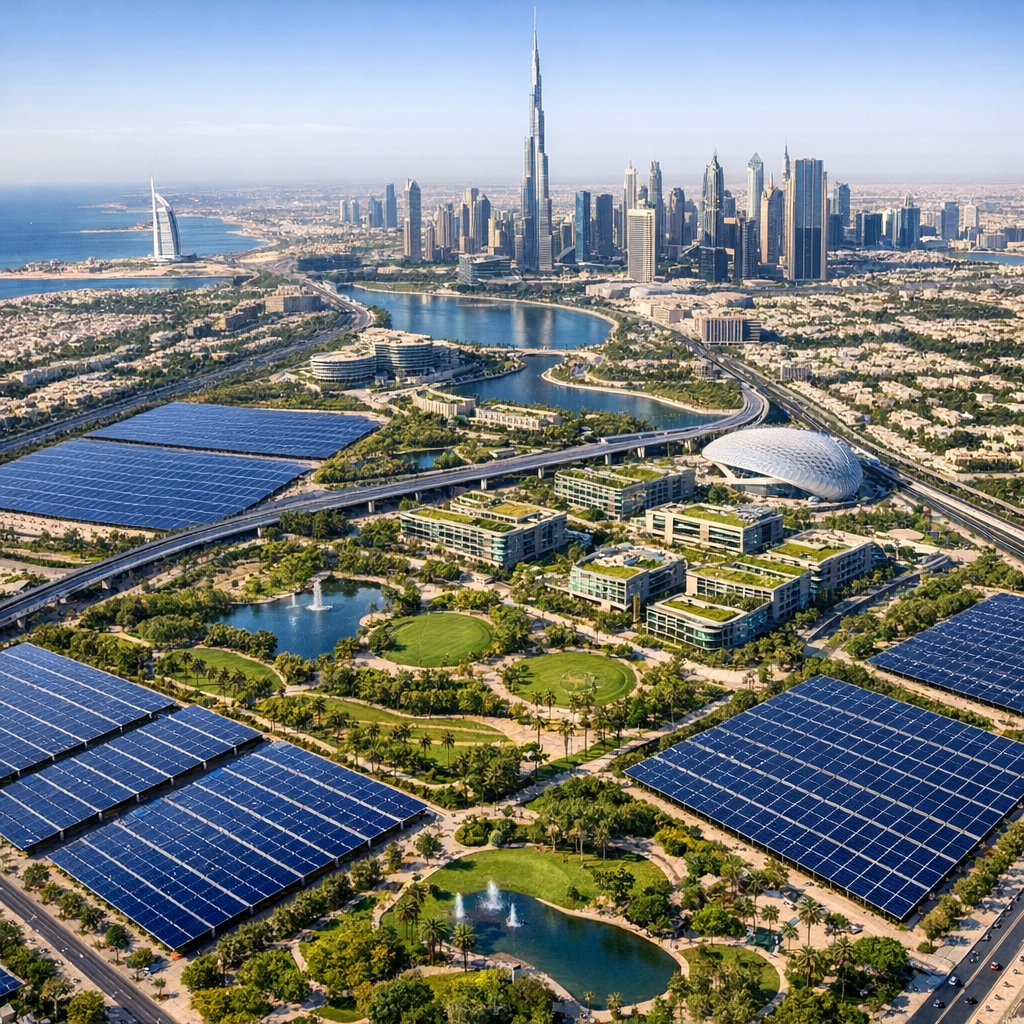
Dubai has long been recognized for its rapid development and architectural marvels. However, in recent years, the emirate has also emerged as a leader in environmental sustainability, implementing a series of initiatives aimed at preserving natural resources and promoting a greener future.
Environmental Authorities and Regulations
At the federal level, the Ministry of Climate Change and Environment (MOCCAE) is responsible for developing and implementing national policies related to environmental sustainability, climate change, and food security. In Dubai, the primary regulatory authority is the Dubai Municipality, which enforces environmental legislation, monitors air and water quality, and manages waste disposal and recycling initiatives. These bodies work collaboratively to ensure that Dubai’s development aligns with sustainable practices.
Air Quality Monitoring
Air quality is a significant concern for rapidly developing urban areas. Dubai addresses this by utilizing national systems that provide real-time pollutant data, thereby protecting public health and ensuring that residents are informed about air quality levels.
Commitment to Clean Energy
Dubai has set ambitious targets to transition towards clean energy. The Mohammed bin Rashid Al Maktoum Solar Park, the largest single-site solar park globally, aims to achieve a production capacity of 5,000 MW by 2030. This project is a cornerstone of Dubai’s strategy to reduce carbon emissions and promote renewable energy sources.
Waste Management Initiatives
Effective waste management is crucial for environmental sustainability. Dubai promotes recycling, waste-to-energy solutions, and the reduction of plastic usage. The Waste to Energy Center in Warsan, for instance, is the largest and most efficient waste-to-energy conversion facility in the world, capable of treating around 2 million tons of solid waste annually to generate power for over 135,000 homes.
Urban Greening Efforts
In 2024, Dubai Municipality planted 216,500 new trees, marking a 17% increase from the previous year. This initiative expanded the emirate’s green spaces by 391.5 hectares, enhancing the urban landscape, improving air quality, and contributing to Dubai’s resilience against climate change.
Marine Conservation Projects
Dubai is also committed to marine conservation. The DUBAI REEF programme, one of the world’s largest purpose-built reef developments, aims to restore marine habitats, enhance biodiversity, and support conservation research. By deploying 20,000 reef modules by 2027, the initiative seeks to protect coastal ecosystems and promote ecotourism.
Community Engagement and Education
Community involvement is vital for the success of sustainability initiatives. Dubai’s ‘Dubai Can’ campaign encourages residents to use refillable water bottles, reducing single-use plastic waste. Additionally, the Circle Dubai project focuses on waste reduction and segregation, aiming for 100% diversion of all waste types from landfills by 2041.
Through these comprehensive initiatives, Dubai demonstrates a robust commitment to environmental sustainability, setting a benchmark for cities worldwide in balancing rapid development with ecological responsibility.