

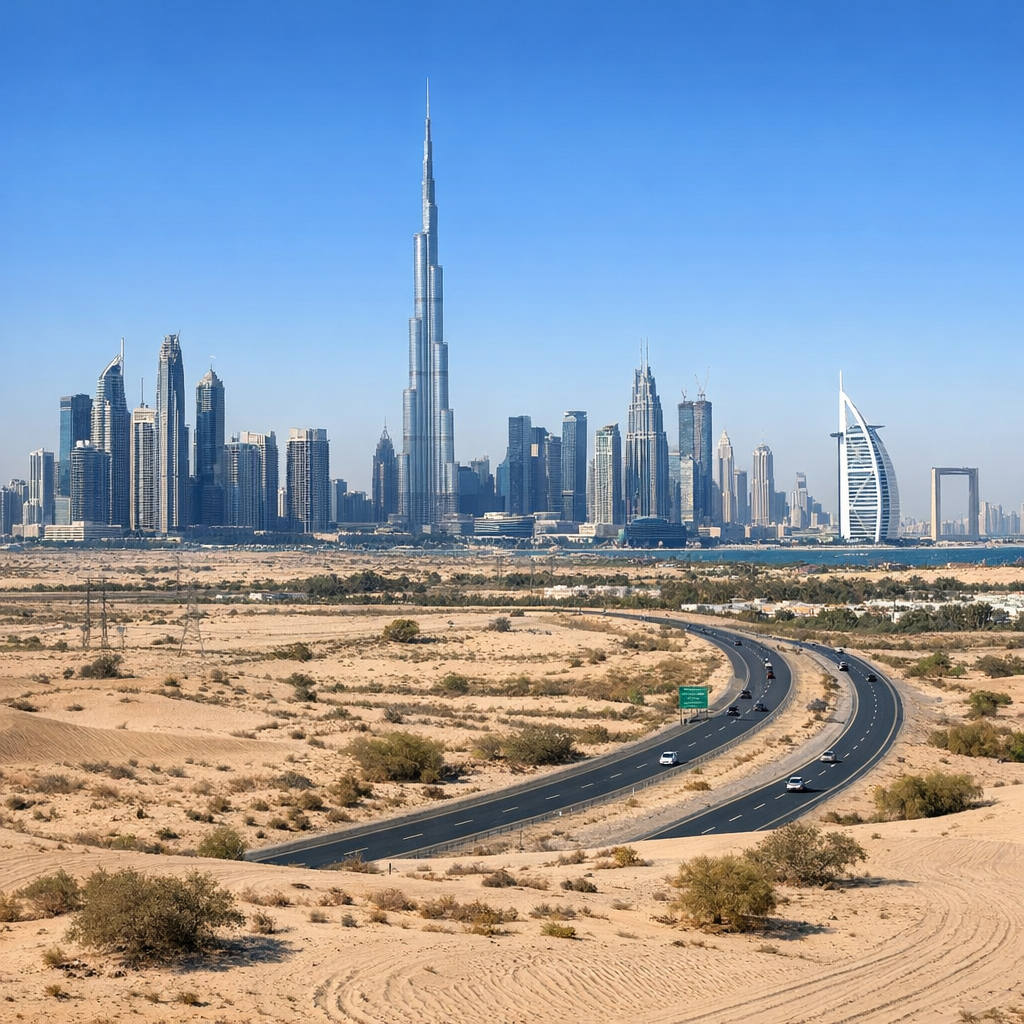
Dubai’s climate is characterized by its hot desert environment, offering residents and visitors distinct seasonal experiences. Understanding these patterns is essential for planning activities and adapting to the city’s environmental conditions.
Seasonal Weather Patterns
Summer (May to September)
During the summer months, Dubai experiences intense heat, with daytime temperatures often exceeding 40°C (104°F). Coastal areas face high humidity levels, sometimes reaching 80-90%, which can make outdoor activities challenging. The combination of heat and humidity can result in a heat index that feels even hotter, emphasizing the need for caution during this period.
Winter (December to February)
In contrast, winter brings milder temperatures ranging from 20°C to 26°C (68°F to 79°F). This season is marked by clear skies and minimal rainfall, making it ideal for outdoor pursuits. Occasional rain showers may occur, but they are typically brief and infrequent.
Environmental Considerations
Air Quality
Dubai’s rapid urbanization and industrial activities contribute to air quality challenges. Common pollutants include particulate matter from construction, vehicle emissions, and natural desert dust. These factors can lead to elevated Air Quality Index (AQI) levels, particularly during the summer months when atmospheric conditions can trap pollutants close to the ground.
Water Scarcity
As a city situated in a desert environment, Dubai faces inherent water scarcity issues. The majority of the city’s water supply comes from desalination processes, which are energy-intensive. Sustainable water usage and conservation efforts are crucial to address this challenge.
Sandstorms
Seasonal sandstorms, known locally as ‘Shamal’ winds, can occur, especially during the summer. These storms reduce visibility and can impact daily activities. Staying informed about weather forecasts and taking necessary precautions during such events is advisable.
Adapting to Dubai’s Climate
To navigate Dubai’s climate effectively, consider the following tips:
- Stay Hydrated: The high temperatures and humidity levels can lead to rapid dehydration. Ensure you drink plenty of water throughout the day.
- Plan Outdoor Activities Wisely: Schedule outdoor activities during the cooler parts of the day, such as early morning or late evening, especially during the summer months.
- Monitor Air Quality: Keep an eye on daily AQI reports, particularly if you have respiratory conditions, and limit outdoor exposure when air quality is poor.
- Prepare for Sandstorms: Stay updated with weather forecasts and have protective measures in place, such as wearing masks and securing outdoor items, during sandstorm events.
By understanding and adapting to Dubai’s unique climate and environmental factors, residents and visitors can enjoy all that the city has to offer while minimizing potential health risks and environmental impacts.