

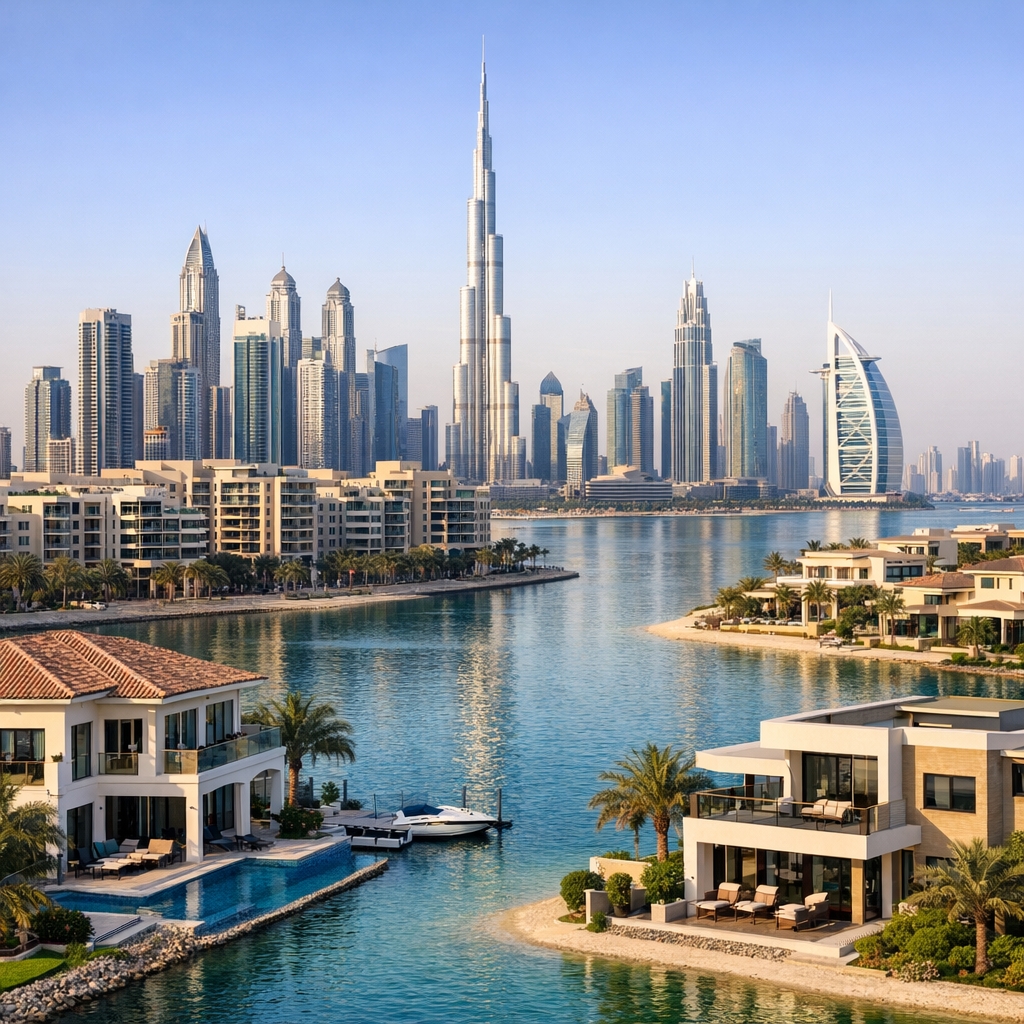
Dubai’s real estate market is experiencing notable shifts, reflecting the city’s dynamic growth and evolving resident preferences. Understanding these trends is essential for both prospective homeowners and tenants.
Rental Market Dynamics
Recent data indicates a divergence in rental trends between apartments and villas. As of April 2026, the average apartment rent in Dubai decreased to approximately AED 90,940, marking a 4.6% decline from the first quarter of the year. Conversely, villa rents increased by 3.3% during the same period, reaching an average of around AED 229,000. This pattern suggests a growing preference for spacious living environments, possibly influenced by lifestyle changes and the desire for more room.
Shift Towards Homeownership
There’s a noticeable shift from renting to buying among residents. The share of sale-listing impressions on Property Finder rose from 47% in 2024 to 49% in 2025, while rental impressions declined from 53% to 51%. This trend is bolstered by favorable long-term residency policies, such as the UAE Golden Visa and Dubai’s First-Time Home Buyer Programme, which have encouraged over 2,000 residents to purchase their first homes, contributing more than AED 3.25 billion in residential property sales.
Luxury Market Appeal
The luxury and super-luxury housing segments are witnessing increased demand. Properties priced above AED 2,500 per square foot have become particularly attractive, supported by a 46% year-on-year rise in high-net-worth individual inflows. In 2025, Dubai attracted USD 63 billion in incoming wealth, reinforcing its status as a global hub for affluent individuals seeking premium real estate investments.
Supply and Demand Balance
The introduction of approximately 71,000 to 72,000 new residential units in 2026 has expanded housing options, especially in communities like Jumeirah Village Circle, Arjan, Dubai Silicon Oasis, Discovery Gardens, and Sports City. This influx has provided tenants with more choices and negotiating power, leading to a more balanced rental market.
Conclusion
Dubai’s real estate market continues to evolve, shaped by policy initiatives, economic factors, and changing resident preferences. Whether considering renting or buying, staying informed about these trends is crucial for making well-informed decisions in this dynamic environment.