

The United States continues to navigate a complex economic and political environment, marked by evolving policies and significant events that have both domestic and international implications.
Economic Overview
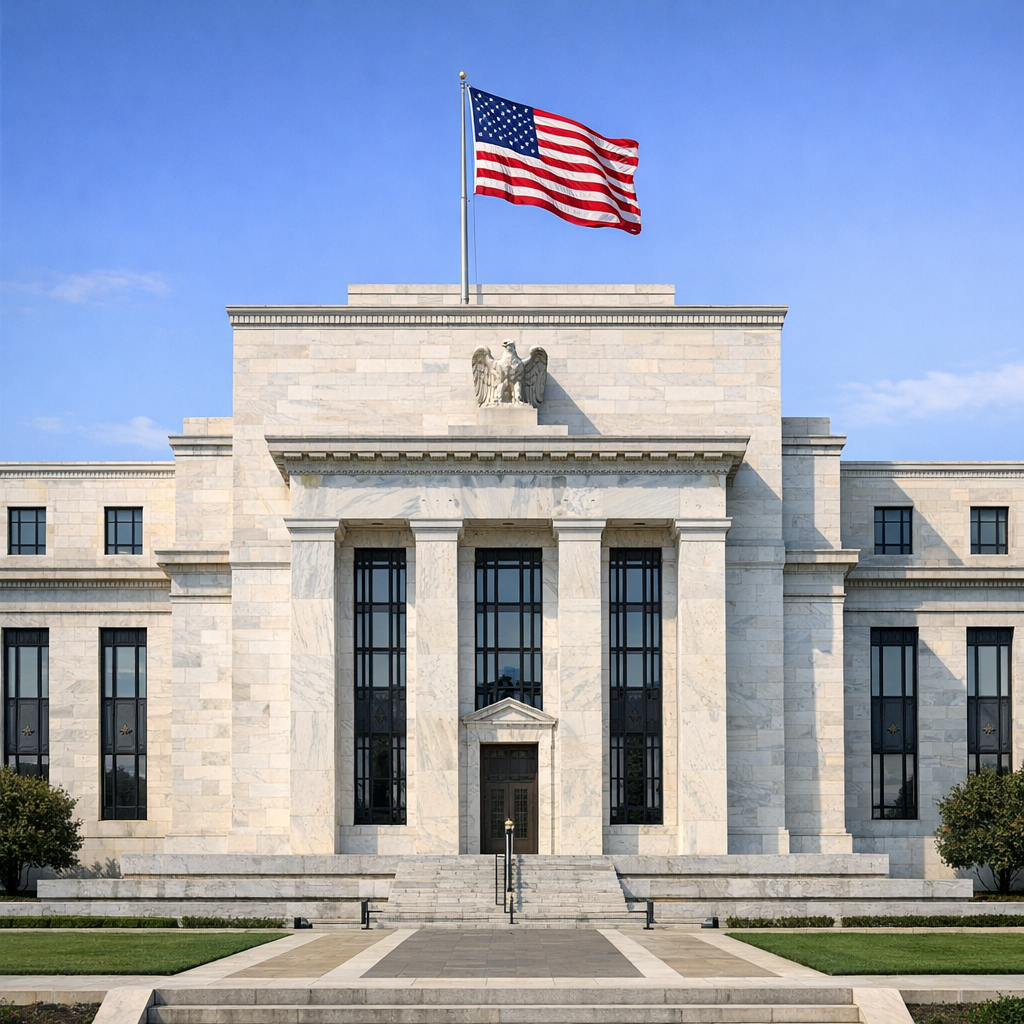
Recent data indicates a nuanced economic landscape. Inflation has reached 4.2%, influencing the Federal Reserve’s monetary policy decisions. The Fed has maintained interest rates, with Chairman Kevin Warsh emphasizing a cautious approach amid these inflationary pressures. Additionally, the US economy has experienced a contraction of 0.6% in the first quarter, attributed to a surge in imports ahead of new tariff measures. However, growth resumed later in the year, supported by consumer spending and AI-related investments.
Political Developments
On the political front, the Trump administration has been active in implementing policies that have reshaped trade dynamics. The administration imposed tariffs on various countries and imports, citing national security and industrial competitiveness. These measures have led to a narrowing trade deficit, with October figures showing a 39% month-on-month decrease to $29.4 billion, the lowest since June 2009. However, economists caution that this improvement reflects softer domestic demand and higher costs rather than a structural shift in competitiveness.
Major National Headlines
In other significant news, the US Justice Department has approved a $111 billion merger between Paramount and Warner Bros. Discovery, a move that is expected to have substantial impacts on the media landscape. Additionally, the Federal Reserve is projected to implement one rate cut, with officials indicating that the ongoing conflict in Iran is likely to push up inflation this year while having limited impact on economic growth.
These developments underscore the dynamic nature of the US economic and political landscape, with policies and events that have far-reaching consequences both domestically and globally.