

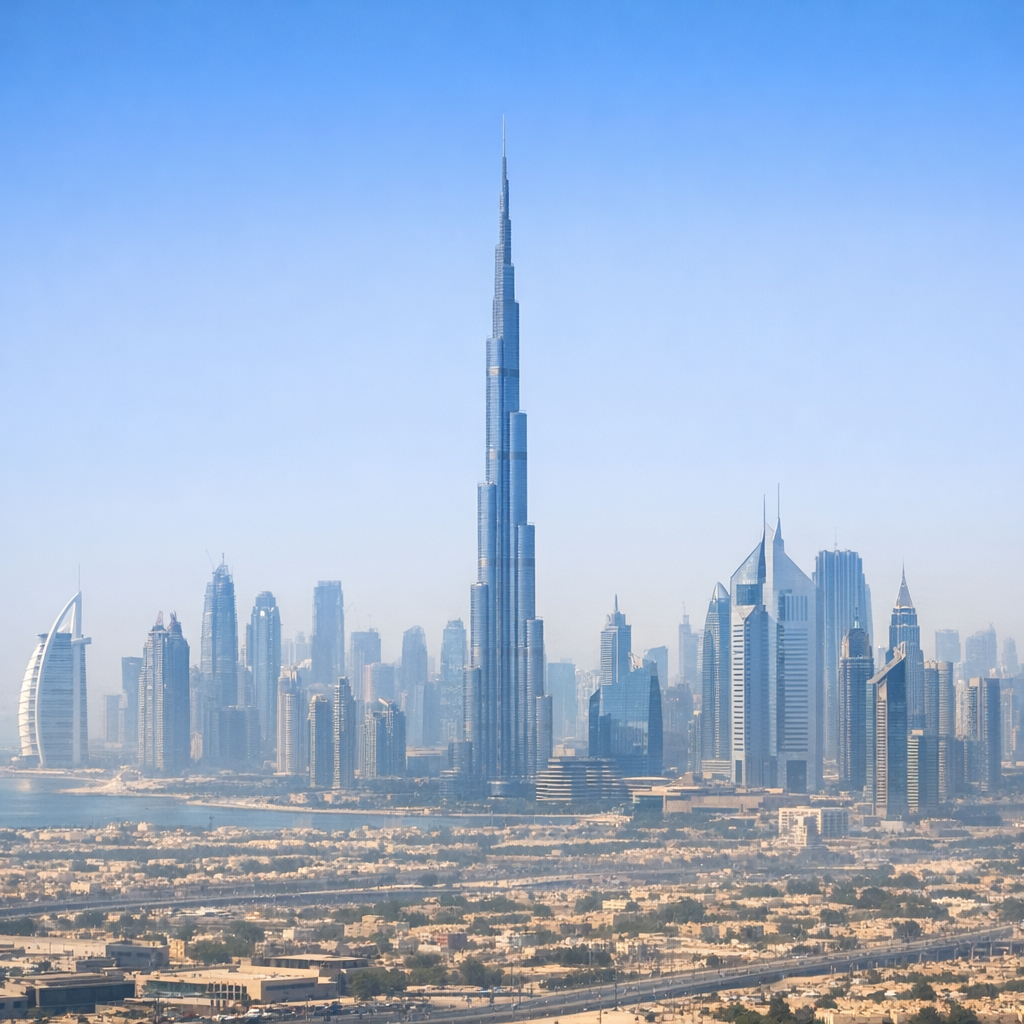
Dubai’s climate is characterized by its hot desert environment, with distinct seasonal variations that influence daily life and environmental conditions. Understanding these patterns is essential for both residents and visitors to navigate the city’s unique weather dynamics.
Seasonal Overview
Summer (May to September)
During the summer months, Dubai experiences intense heat, with daytime temperatures often exceeding 40°C (104°F). The combination of high temperatures and elevated humidity levels, especially near the coast, can result in a heat index that feels even hotter. This period is also marked by occasional sandstorms, known locally as ‘Shamal’ winds, which can reduce visibility and air quality.
Winter (November to March)
In contrast, the winter season offers milder temperatures, ranging from 20°C to 26°C (68°F to 79°F) during the day. This period is considered the most comfortable time of year, with cooler evenings and minimal rainfall. The pleasant weather conditions make it ideal for outdoor activities and tourism.
Environmental Challenges
Air Quality
Dubai’s rapid urbanization and industrial activities contribute to air quality concerns. Common pollutants include particulate matter from construction sites and vehicle emissions, as well as natural desert dust. These factors can lead to elevated Air Quality Index (AQI) levels, particularly during the summer months when atmospheric conditions trap pollutants closer to the ground.
Water Scarcity
As a city situated in a desert region, Dubai faces challenges related to water scarcity. The reliance on desalination processes to meet water demands underscores the importance of sustainable water management practices to ensure long-term availability.
Adaptation and Mitigation Efforts
Recognizing these environmental challenges, Dubai has implemented various initiatives aimed at promoting sustainability. Efforts include investments in renewable energy sources, such as solar power, and the development of green building standards to reduce energy consumption. Additionally, public awareness campaigns encourage water conservation and responsible environmental practices among residents and businesses.
By understanding Dubai’s climate patterns and associated environmental challenges, individuals can make informed decisions to adapt to the conditions and contribute to the city’s sustainability goals.