

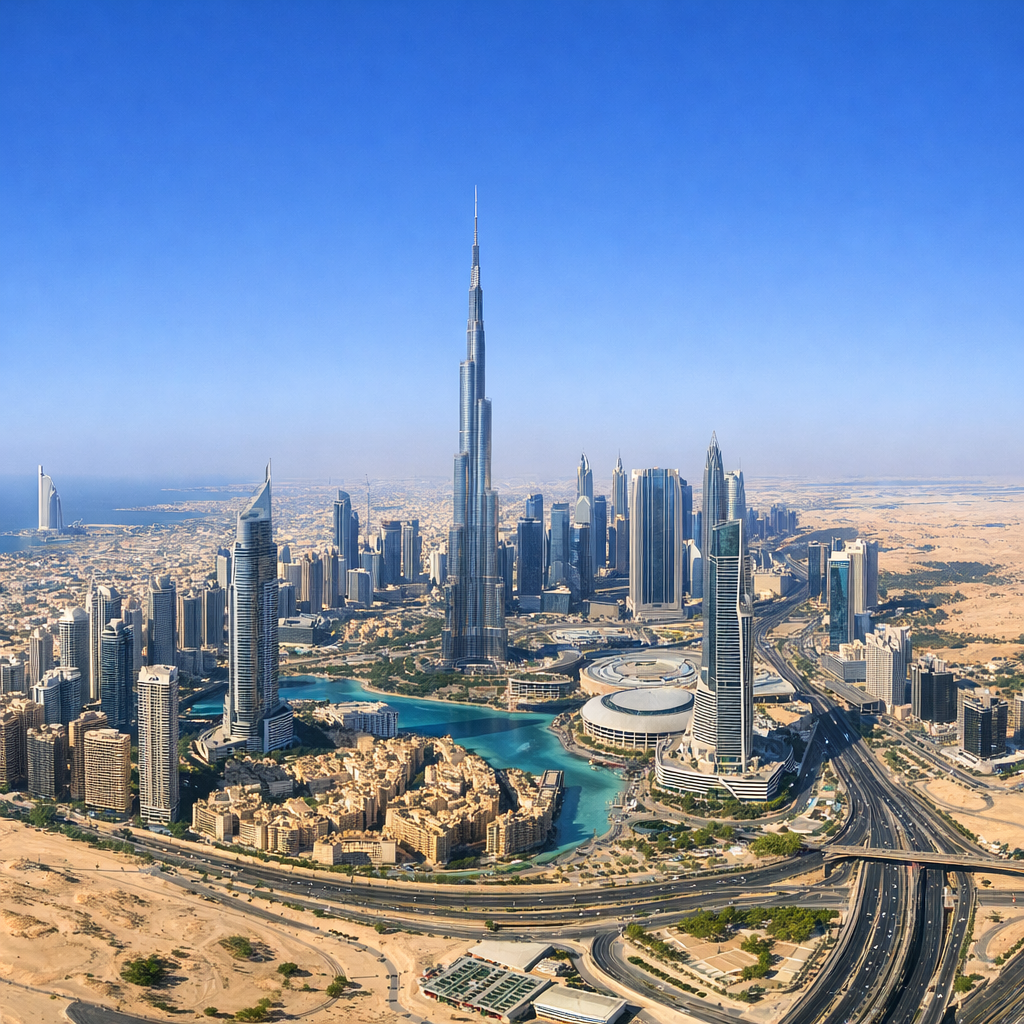
Dubai’s climate is characterized by its arid desert environment, leading to two primary seasons: a long, intense summer and a short, mild winter. Understanding these patterns is essential for residents and visitors alike.
Summer: May to September
During the summer months, Dubai experiences extreme heat, with daytime temperatures often exceeding 40°C (104°F). Humidity levels can be high, especially near the coast, making outdoor activities challenging. It’s advisable to stay hydrated and limit sun exposure during peak hours.
Winter: November to March
Winter brings more comfortable conditions, with daytime temperatures ranging between 20°C (68°F) and 26°C (79°F). Evenings can be cooler, occasionally dropping to 14°C (57°F). This season is ideal for outdoor activities and is considered the peak tourist period.
Transitional Periods: April and October
April and October serve as transitional months, with temperatures gradually increasing or decreasing. These periods offer a balance between the extremes of summer and winter, providing pleasant weather for various activities.
Environmental Considerations
Dubai’s rapid urbanization and limited natural resources pose environmental challenges. Water scarcity is a significant concern, given the city’s reliance on desalination processes. Additionally, the urban heat island effect contributes to higher temperatures in densely populated areas. Sustainable practices and awareness are crucial in addressing these issues.
By understanding Dubai’s climate and environmental factors, individuals can make informed decisions to enhance their experience in the city while contributing to its sustainability.