

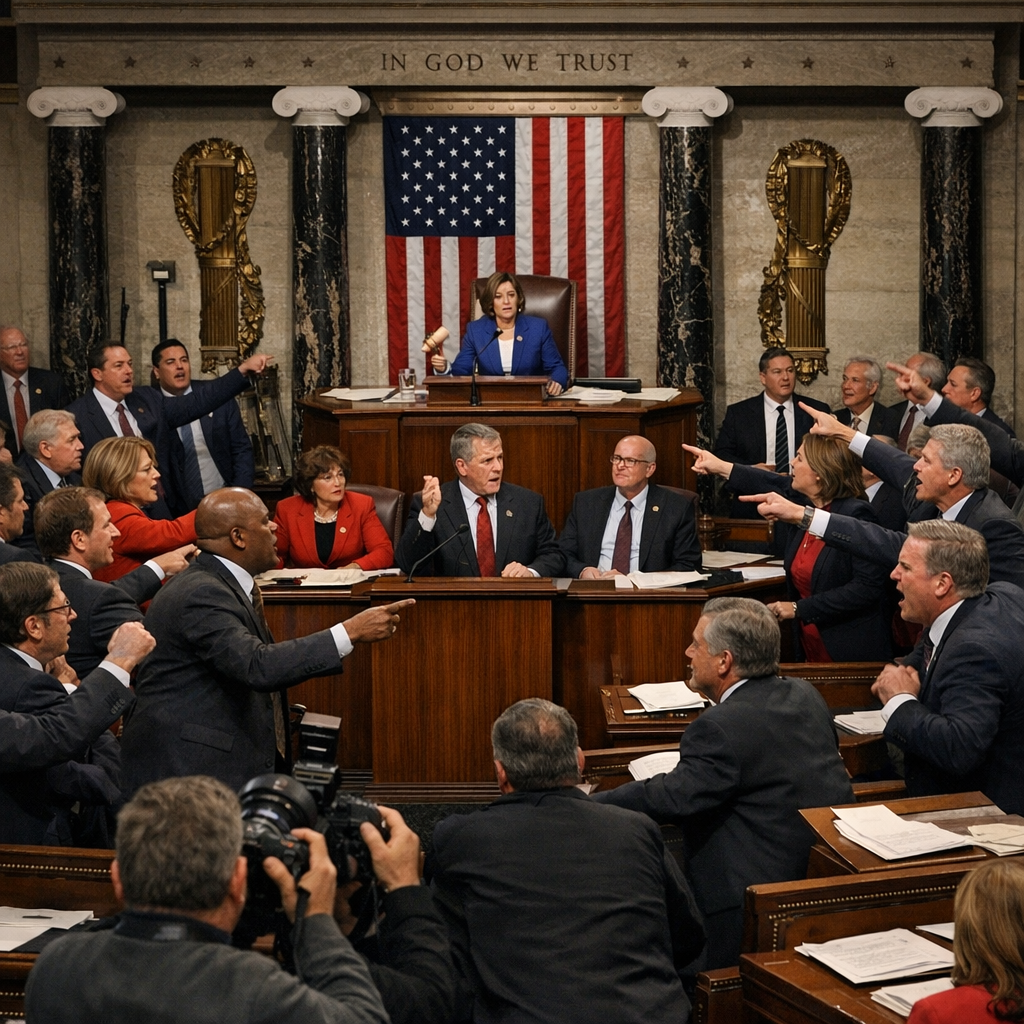
The United States is currently experiencing a dynamic political and economic environment, marked by significant developments that have both domestic and international implications.
Political Climate
Recent polling indicates a heightened level of public concern regarding the political system. Approximately one-third of Americans identify politics and government as the nation’s most pressing issues, a sentiment that underscores the deepening polarization within the country. This anxiety is particularly pronounced among older demographics, while younger Americans are more focused on economic challenges such as housing affordability and basic needs.
Economic Overview
The U.S. economy presents a mixed picture. On one hand, the International Monetary Fund (IMF) projects a ‘buoyant’ economic outlook, with anticipated growth and a decrease in unemployment rates. However, the IMF also warns of potential risks stemming from rising tariffs and increasing national debt, which could pose challenges to long-term economic stability.
Inflation remains a concern, with recent data indicating a rise to 4.2%, complicating the Federal Reserve’s plans for potential rate cuts. Additionally, the ongoing conflict in Iran has led to a surge in energy prices, further impacting inflation and economic growth projections.
Implications for the Global Community
For international observers, including those in Dubai, these developments in the U.S. are of significant interest. The political polarization and economic fluctuations in the United States can have ripple effects on global markets, trade relationships, and geopolitical dynamics. Staying informed about these changes is crucial for understanding their potential impact on international affairs and economic strategies.