

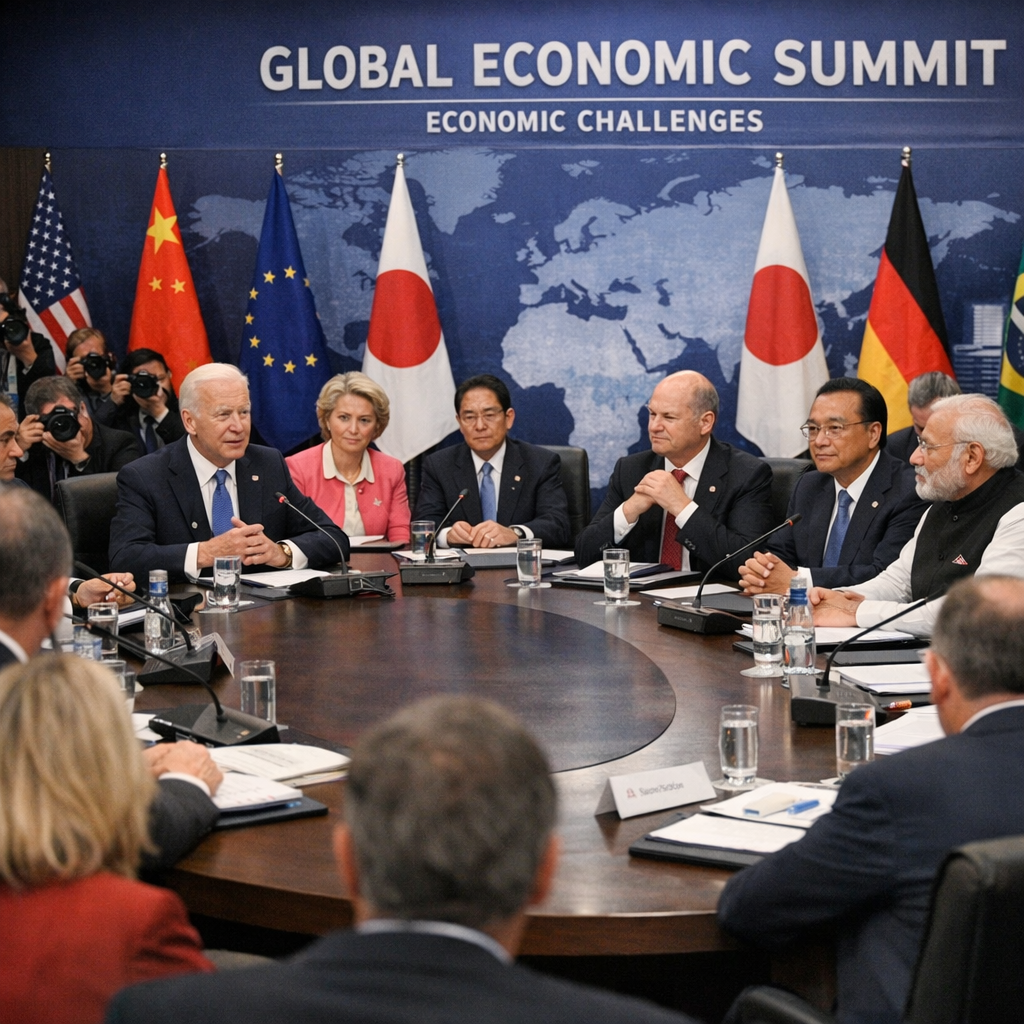
The global economic landscape is currently navigating a complex array of challenges, including energy shocks and geopolitical tensions. These factors are contributing to a projected slowdown in growth, with the global economy expected to expand by 2.7% in 2026, a decrease from previous years.
Energy Crisis and Inflationary Pressures
The ongoing conflict in the Middle East has led to significant disruptions in energy production and trade, particularly affecting oil exports from the Persian Gulf. This has resulted in a surge in global energy prices, fueling inflationary pressures worldwide. The Organization for Economic Co-operation and Development (OECD) notes that these developments are testing the resilience of the global economy, with inflation in G20 countries projected to rise to 4.0% in 2026.
Regional Economic Impacts
The economic repercussions of these global challenges vary across regions. The United States is expected to maintain a degree of resilience, with a projected GDP growth of 2.0% in 2026, supported by strong domestic energy production and investments in artificial intelligence and defense sectors. In contrast, the euro area faces stagnation, with growth anticipated at just 0.8% in 2026, as rising energy costs weigh heavily on industrial output, particularly in countries like Germany and the United Kingdom.
In Asia, China’s growth is projected to slow to 4.5% in 2026, influenced by ongoing real estate issues and a shift towards green technology and AI exports. India, however, stands out with a robust growth forecast of 6.5%, driven by strong domestic demand and economic momentum.
Policy Responses and Future Outlook
Central banks worldwide are adopting cautious stances in response to these economic challenges. Interest rates are unlikely to decrease in the near term due to persistent inflation concerns. The OECD emphasizes the need for targeted and temporary fiscal support measures to assist those most affected by the energy crisis, while also advocating for policies that promote energy efficiency and diversification to mitigate future vulnerabilities.
As the global economy continues to grapple with these uncertainties, the importance of coordinated policy responses and strategic investments becomes increasingly evident. Nations are encouraged to focus on enhancing the business environment, improving workforce skills, and leveraging transformative technologies to lay the foundation for sustained economic growth.