

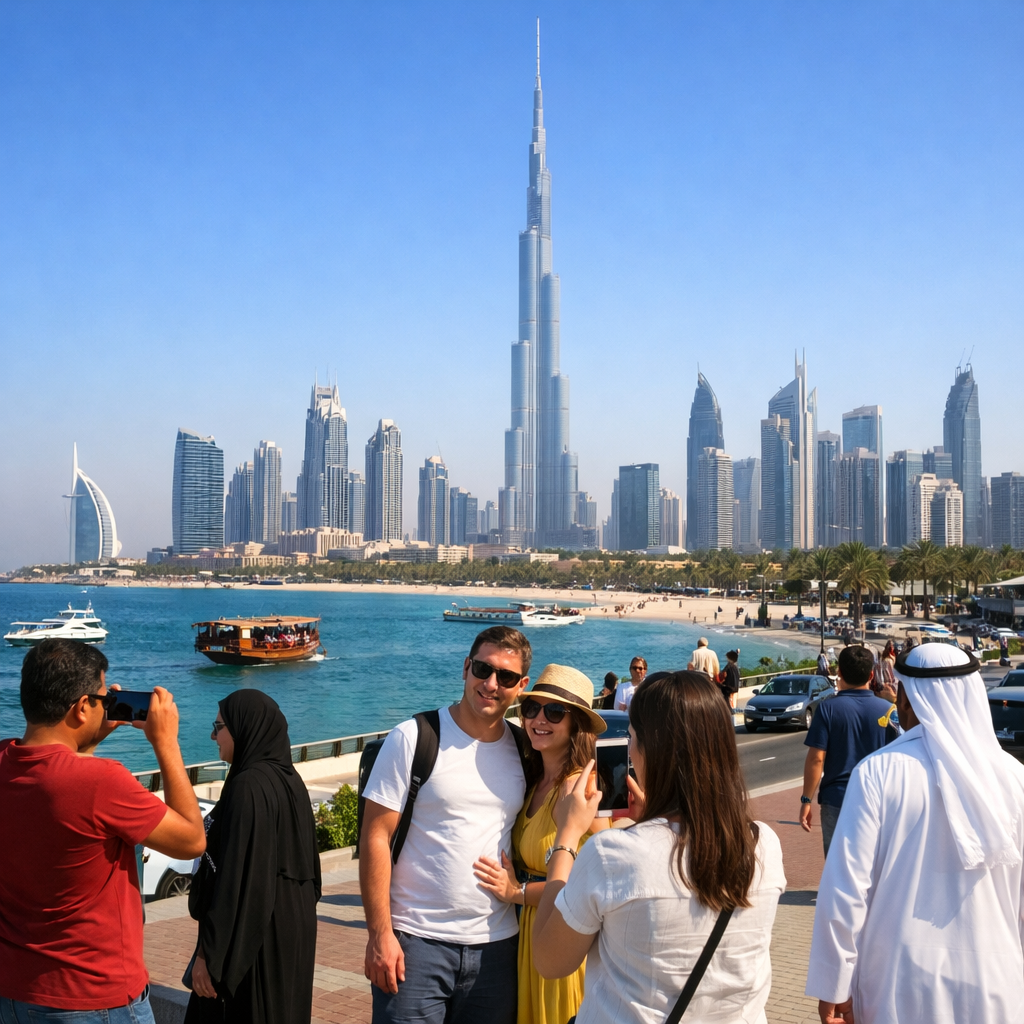
Dubai’s climate is characterized by its hot desert environment, offering residents and visitors two primary seasons: a long, intense summer and a short, mild winter. Understanding these patterns is essential for planning activities and ensuring comfort throughout the year.
Seasonal Overview
Summer (May to October)
During the summer months, Dubai experiences extreme heat, with daytime temperatures often exceeding 40°C (104°F). Coastal areas, including the city itself, face high humidity levels due to the proximity of the Arabian Gulf, making the heat feel even more intense. This combination can lead to heat indices surpassing 50°C (122°F) in July and August. Residents and visitors are advised to limit outdoor activities during peak heat hours and stay hydrated to mitigate heat-related health risks.
Winter (November to April)
Winter in Dubai brings a welcome respite from the sweltering heat. Daytime temperatures range between 20°C (68°F) and 26°C (79°F), with cooler evenings. This period is ideal for outdoor activities, and the city often sees an influx of tourists. Rainfall is minimal but more likely during these months, typically occurring as short, heavy bursts that can lead to temporary disruptions.
Environmental Factors
Air Quality
Dubai’s rapid urbanization and industrial activities have implications for air quality. Factors such as vehicular emissions, construction dust, and industrial pollutants contribute to varying air quality levels. The best air quality is typically recorded in December and January, following periods of rain or cooler weather. Residents are encouraged to stay informed about daily air quality indices, especially those with respiratory conditions.
Sandstorms
Occasionally, Dubai experiences sandstorms, particularly during the summer months. These events can reduce visibility and air quality, posing challenges for transportation and outdoor activities. It’s advisable to stay indoors during severe sandstorms and ensure that homes are sealed to prevent dust ingress.
Climate Change Considerations
As a city situated in a hyper-arid environment, Dubai is vulnerable to the impacts of climate change, including rising temperatures and sea levels. The UAE has recognized these challenges and is actively working towards sustainability initiatives to mitigate environmental impacts and promote resilience.
By understanding Dubai’s climate and environmental factors, residents and visitors can make informed decisions to enhance their comfort and well-being throughout the year.