

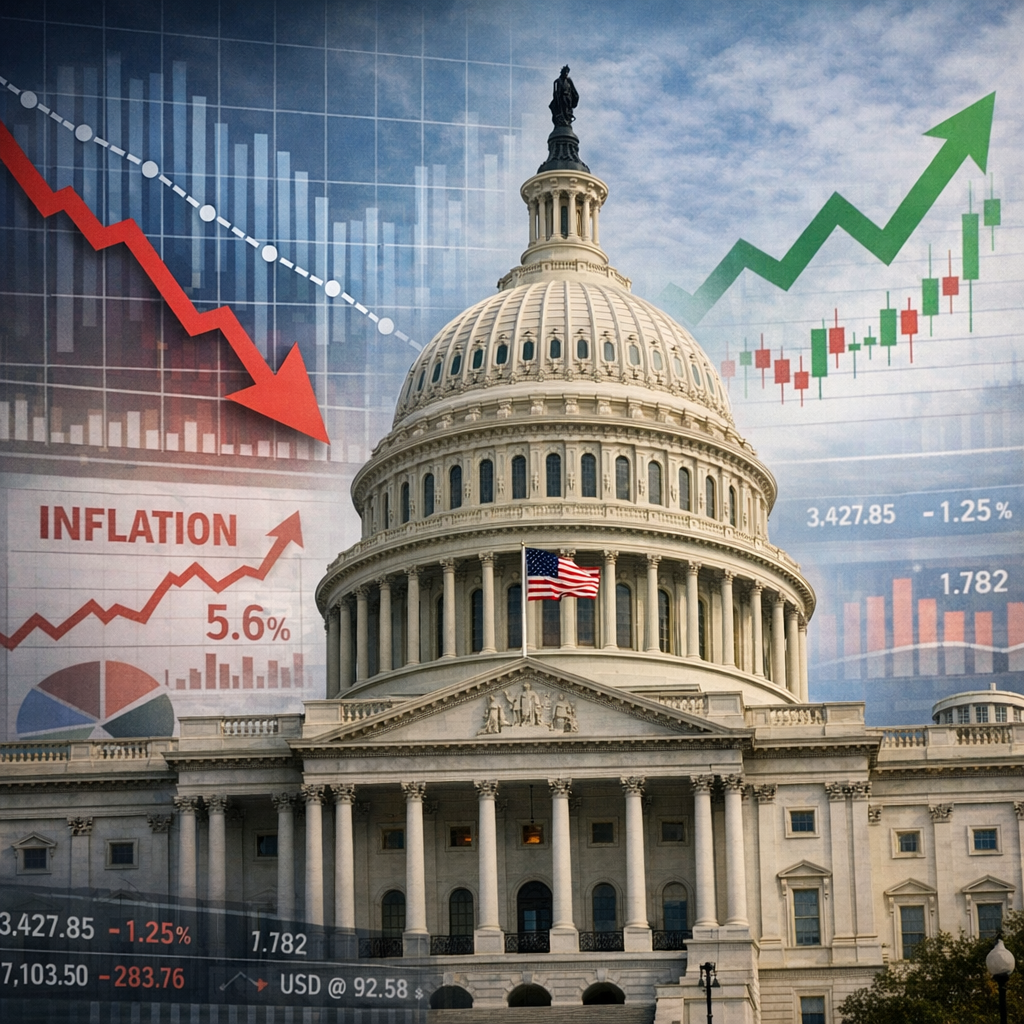
The United States is currently experiencing a period of significant political and economic activity, with developments that have far-reaching implications both domestically and internationally.
Political Climate and Public Sentiment
Recent polling data indicates a heightened level of public concern regarding the U.S. political system. Approximately one-third of Americans identify politics and government as the nation’s most pressing issues, a sentiment that is notably higher compared to other wealthy democracies. This anxiety is particularly pronounced among older demographics, while younger Americans are more focused on economic challenges such as housing affordability and basic needs. This generational divide mirrors trends observed in other high-income countries grappling with similar issues.
Economic Indicators and Challenges
The U.S. economy presents a mixed picture. The International Monetary Fund (IMF) projects a growth rate of 2.4% for the U.S. gross domestic product in the fourth quarter of 2026, an increase from 2.2% the previous year. Unemployment is expected to decline from 4.5% in late 2025 to 4.1% in 2026, with inflation anticipated to reach the Federal Reserve’s 2% target by 2027. However, the IMF also warns of potential risks stemming from rising federal budget debts, which could pose stability challenges.
Additionally, the U.S. job market has shown resilience, with 172,000 jobs added in May, despite economic strains from international conflicts. However, many Americans remain frustrated by rising prices and economic uncertainties, indicating that job growth alone may not alleviate broader economic concerns.
Implications for the Global Community
For international observers, including those in Dubai, understanding these dynamics is crucial. The U.S. political climate and economic policies have significant global repercussions, influencing international markets, trade relationships, and geopolitical strategies. Staying informed about these developments enables better navigation of the interconnected global landscape.
In conclusion, the United States is at a pivotal juncture, with its political and economic trajectories closely watched by both domestic and international stakeholders. The outcomes of current policies and public sentiments will undoubtedly shape the nation’s future and its role on the global stage.