

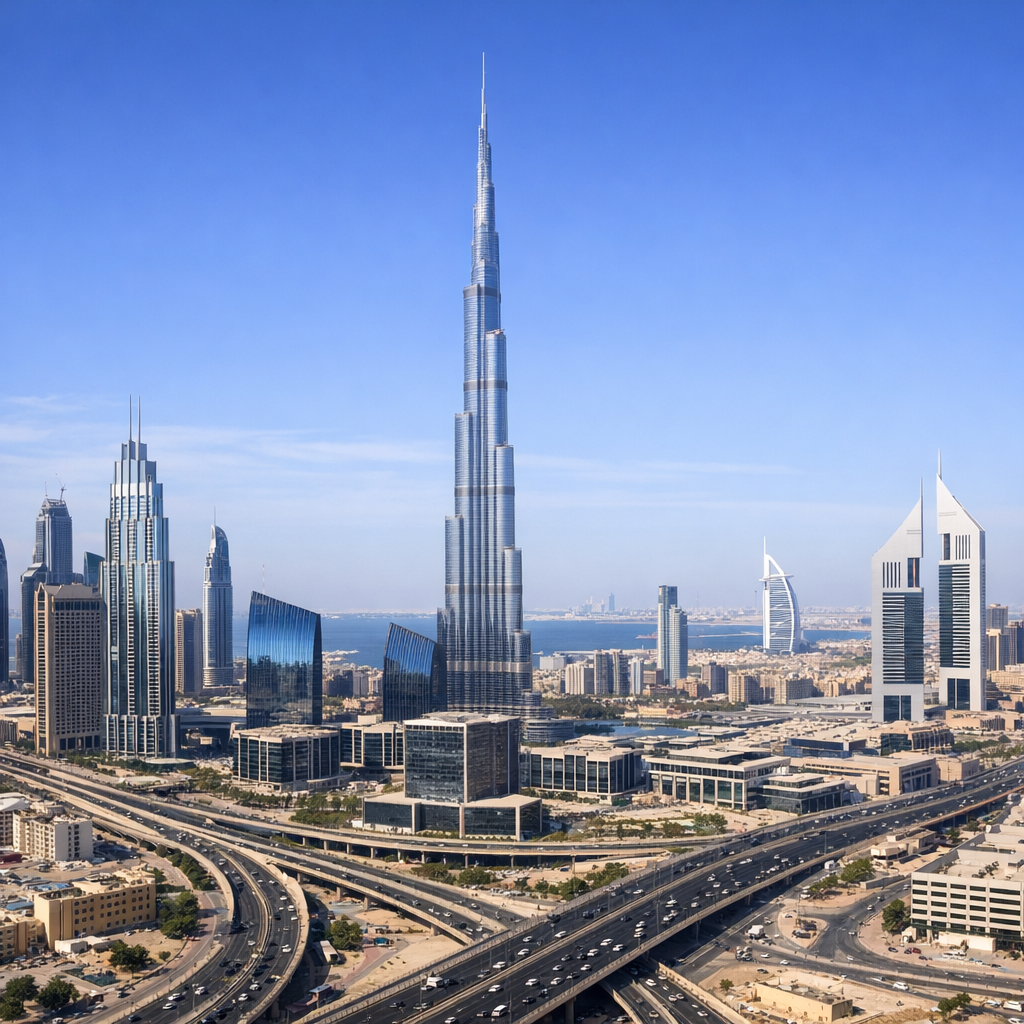
Dubai’s climate is characterized by its hot desert environment, marked by extreme temperatures, high humidity, and minimal rainfall. Understanding these patterns is essential for both residents and visitors to navigate the city’s unique weather conditions.
Seasonal Overview
Summer (June to September)
During the summer months, Dubai experiences intense heat, with daytime temperatures often exceeding 40°C (104°F). Coastal areas face high humidity levels, sometimes reaching 80-90%, making outdoor activities challenging. The combination of heat and humidity can lead to heat-related illnesses, so it’s advisable to limit outdoor exposure during peak hours and stay hydrated.
Winter (December to February)
Winter offers a respite from the heat, with daytime temperatures ranging between 20°C (68°F) and 26°C (79°F). Nights can be cooler, occasionally dropping to 14°C (57°F). This season is also when Dubai receives most of its limited rainfall, averaging around 100 mm annually. While rain is infrequent, when it does occur, it can lead to temporary disruptions due to the city’s infrastructure being less equipped for heavy downpours.
Environmental Challenges
Air Quality
Dubai’s rapid urbanization and industrial activities have led to concerns about air quality. Factors such as vehicle emissions, construction dust, and industrial pollutants contribute to elevated levels of particulate matter. Residents are encouraged to monitor air quality indices, especially those with respiratory conditions, and take necessary precautions during periods of poor air quality.
Water Scarcity
Being situated in a desert region, Dubai faces challenges related to water scarcity. The city relies heavily on desalination processes to meet its water needs. Efforts are ongoing to promote water conservation and develop sustainable water management practices to address this critical issue.
Adapting to the Climate
Residents and visitors can take several measures to adapt to Dubai’s climate:
- Stay Hydrated: Regularly consume water to prevent dehydration, especially during the hotter months.
- Limit Outdoor Activities: Plan outdoor activities during cooler parts of the day, such as early mornings or evenings.
- Use Sun Protection: Wear appropriate clothing, hats, and sunscreen to protect against sun exposure.
- Monitor Weather Updates: Stay informed about weather forecasts and any advisories related to extreme conditions.
Understanding and respecting Dubai’s climate is crucial for ensuring safety and comfort. By staying informed and taking appropriate precautions, individuals can effectively navigate the city’s environmental conditions.