

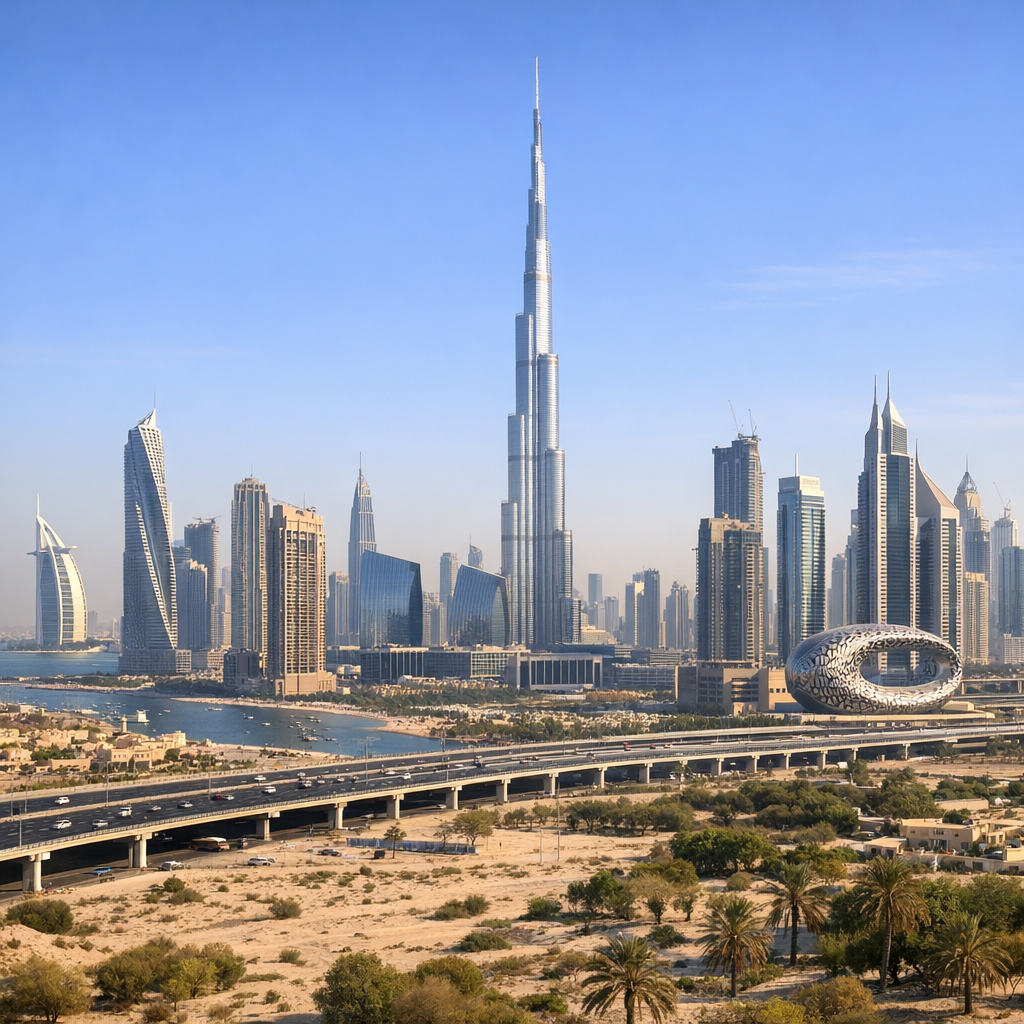
Dubai’s climate is characterized by its hot desert environment, marked by extreme temperatures, high humidity, and minimal rainfall. Understanding these patterns is essential for both residents and visitors to navigate the city’s unique weather conditions.
Seasonal Overview
Summer (June to September)
During the summer months, Dubai experiences intense heat, with daytime temperatures often exceeding 40°C (104°F). Coastal areas, including the city itself, face high humidity levels due to the proximity to the Arabian Gulf, making the heat feel even more oppressive. This combination can lead to heat indices that pose health risks, necessitating precautions such as staying hydrated and limiting outdoor activities during peak heat hours.
Winter (December to February)
In contrast, winter offers a respite with milder temperatures ranging from 20°C to 26°C (68°F to 79°F). This period is also when Dubai receives the majority of its limited annual rainfall, typically in the form of short, heavy showers. These rains, while brief, can sometimes lead to localized flooding due to the city’s infrastructure being designed for arid conditions.
Environmental Challenges
Air Quality
Dubai’s rapid urbanization and industrial activities have led to concerns about air quality. Factors such as vehicular emissions, construction dust, and industrial pollutants contribute to elevated levels of particulate matter in the air. Residents are advised to monitor air quality indices, especially those with respiratory conditions, and take necessary precautions during periods of poor air quality.
Water Scarcity
Despite its coastal location, Dubai faces significant water scarcity challenges. The city relies heavily on desalination processes to meet its water needs, which are energy-intensive and have environmental implications. Efforts are ongoing to promote water conservation and develop sustainable water management practices to address this critical issue.
Adaptation and Sustainability Efforts
Recognizing these challenges, Dubai has initiated various sustainability programs aimed at mitigating environmental impacts. These include investments in renewable energy, green building standards, and public awareness campaigns on environmental conservation. Such initiatives are crucial for ensuring the city’s resilience against climate change and maintaining a high quality of life for its residents.
Understanding Dubai’s climate and environmental challenges is vital for adapting to its conditions and contributing to the city’s sustainability efforts. By staying informed and proactive, residents and visitors can navigate the unique aspects of Dubai’s environment effectively.