

The United States continues to experience significant political and economic shifts that have far-reaching implications both domestically and internationally. Understanding these developments is crucial for global observers, including those in Dubai.
Political Dynamics
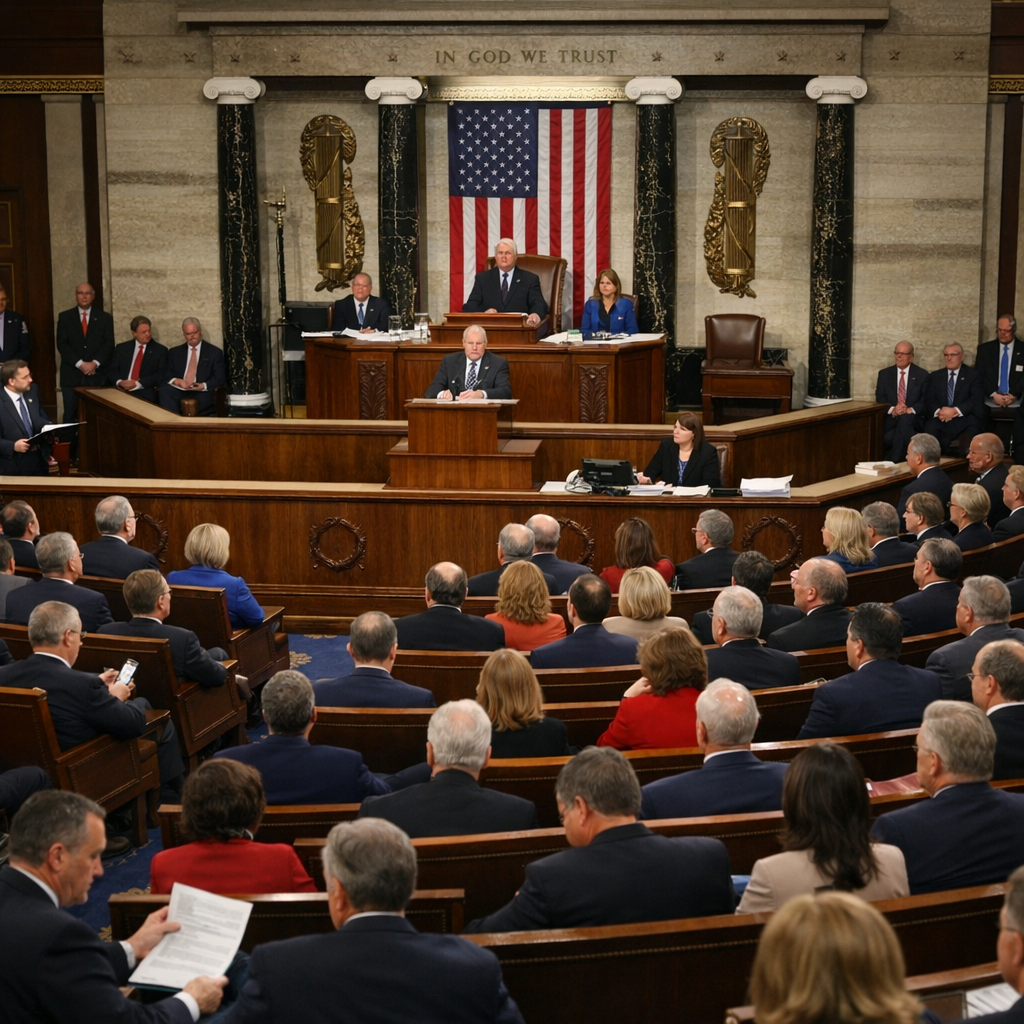
As the 2026 midterm elections approach, the U.S. political scene is marked by heightened activity. The Republican Party, under Speaker Mike Johnson, holds a narrow majority in the House of Representatives. Meanwhile, the Democratic Party, led by Minority Leader Hakeem Jeffries, is strategizing to regain control. Redistricting battles are intensifying across the nation, with states like Florida and Virginia proposing new congressional maps that could significantly alter the balance of power.
Additionally, recent events have further polarized the political landscape. An alleged assassination attempt on former President Donald Trump during the White House Correspondents’ Dinner in April 2026 has sparked intense debates over political rhetoric and violence. These developments underscore the volatility of the current U.S. political environment.
Economic Developments
On the economic front, the U.S. faces challenges that resonate globally. The national debt has surpassed $38 trillion, raising concerns about fiscal sustainability. BlackRock CEO Larry Fink has highlighted the potential risks associated with this ballooning debt, emphasizing that markets may be underestimating the moment when fiscal policy becomes a major problem.
Inflation remains a pressing issue, with September wholesale inflation rising by 0.3%, maintaining the annual level at 2.7%. Retail sales have also been affected, with a 0.2% increase in September overshadowed by a 0.3% rise in prices, effectively leading to a 0.1% decrease in spending. Consumer confidence has declined to its lowest level since April, reflecting widespread concerns about the economy’s future trajectory.
Global Implications
These political and economic developments in the U.S. have significant implications for the global community. For instance, the U.S.-Iran agreement to end hostilities and reopen the Strait of Hormuz is a critical development for global energy markets. The agreement includes a 60-day waiver on transit fees, after which future charges remain contested. This situation underscores the interconnectedness of international relations and the importance of diplomatic negotiations in ensuring global stability.
In conclusion, staying informed about the evolving U.S. political and economic landscape is essential for understanding its potential impact on global affairs. As these developments unfold, they will undoubtedly influence international markets, diplomatic relations, and economic policies worldwide.