

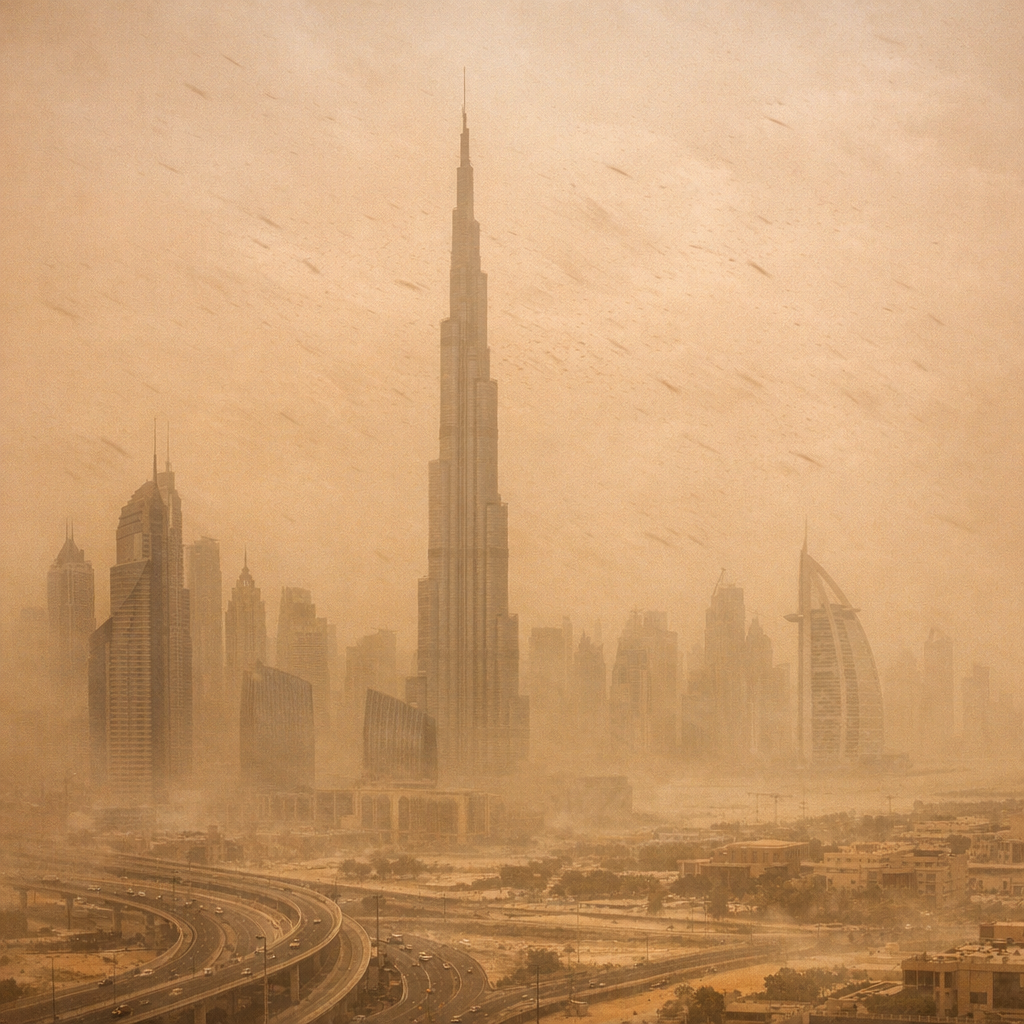
Dubai’s climate is characterized by its hot desert environment, leading to distinct seasonal patterns and environmental challenges. Understanding these patterns is essential for residents and visitors alike.
Seasonal Overview
Summer (June to September)
During summer, Dubai experiences intense heat with daytime temperatures often exceeding 40°C (104°F). Coastal areas face high humidity levels, making outdoor activities challenging. The combination of heat and humidity can result in heat indices that feel even hotter, emphasizing the importance of staying hydrated and limiting sun exposure during peak hours.
Winter (December to February)
Winter offers a respite with milder temperatures ranging from 20°C to 26°C (68°F to 79°F). This season is marked by occasional rainfall, contributing to the annual average of approximately 100 mm. The cooler climate makes it an ideal time for outdoor activities and tourism.
Environmental Challenges
Air Quality
Dubai’s rapid urbanization and industrial activities have led to concerns about air quality. Major pollutants include particulate matter (PM2.5 and PM10) from construction dust and vehicle emissions, nitrogen dioxide from traffic, and ozone formed by chemical reactions in the atmosphere. These pollutants can impact respiratory health, especially during periods of high concentration.
Sandstorms
Seasonal winds, particularly the northwesterly ‘Shamal,’ can stir up desert sands, leading to sandstorms that reduce visibility and air quality. These events are more common during the summer months and can last for several days, affecting daily life and transportation.
Climate Change Impacts
As a nation with a hot desert climate, the UAE is vulnerable to the effects of climate change, including rising temperatures and sea levels. These changes pose risks to infrastructure, water resources, and public health, necessitating proactive measures to mitigate their impact.
Adaptation and Mitigation Efforts
The UAE has recognized these challenges and is actively working towards sustainable solutions. Initiatives include investments in renewable energy, such as solar power, and policies aimed at reducing carbon emissions. Public awareness campaigns also emphasize the importance of environmental stewardship among residents and businesses.
Understanding Dubai’s climate and its associated environmental challenges is crucial for developing strategies to adapt to and mitigate these issues, ensuring a sustainable future for the city and its inhabitants.