

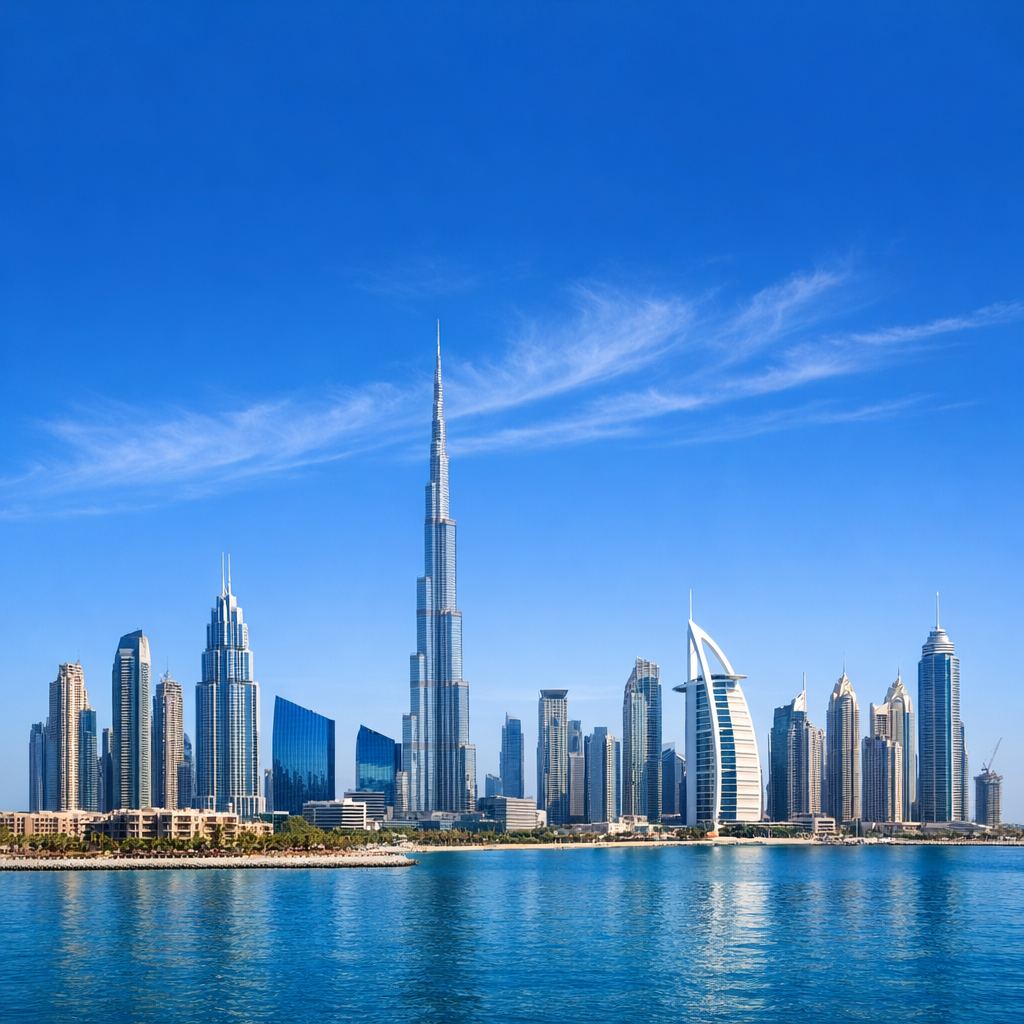
Dubai’s climate is characterized by its hot desert environment, offering residents and visitors a unique blend of weather patterns throughout the year. Understanding these seasonal variations is essential for planning activities and ensuring comfort.
Summer: Intense Heat and High Humidity
From June to September, Dubai experiences its summer season, marked by extreme temperatures and elevated humidity levels. Daytime temperatures often soar above 40°C (104°F), with peaks reaching up to 50°C (122°F) in some areas. Coastal regions, including Dubai, face high humidity due to the proximity to the Arabian Gulf, making the heat feel even more oppressive. During this period, outdoor activities are limited, and residents rely heavily on air-conditioned environments to stay comfortable.
Winter: Mild and Pleasant
Contrasting the harsh summers, Dubai’s winter season, spanning from December to February, offers mild and enjoyable weather. Daytime temperatures range between 20°C (68°F) and 26°C (79°F), with cooler evenings. This season is ideal for outdoor activities, and it’s also when the city receives the majority of its minimal annual rainfall, averaging around 100 mm. Rainfall during this period is typically brief but can lead to temporary disruptions due to the city’s infrastructure.
Transitional Seasons: Spring and Autumn
The periods between the extreme seasons, namely spring (March to May) and autumn (October to November), are relatively short in Dubai. These transitional months witness rapid temperature changes, moving from the coolness of winter to the heat of summer and vice versa. While not as intense as summer, temperatures during these months can still be quite warm, and humidity levels begin to rise, especially in late spring.
Environmental Considerations
Dubai’s rapid urbanization and industrial activities have led to environmental challenges, including air quality concerns. The city often experiences elevated levels of particulate matter (PM2.5 and PM10) due to construction dust, vehicle emissions, and natural desert sand. Additionally, sandstorms, locally known as ‘Shamal,’ can occur, reducing visibility and affecting daily life. These environmental factors are more prevalent during the summer months but can occur year-round.
Adapting to Dubai’s Climate
For residents and visitors, adapting to Dubai’s climate involves several considerations:
- Hydration: Due to high temperatures, especially in summer, it’s crucial to stay hydrated by consuming ample water throughout the day.
- Sun Protection: Wearing appropriate clothing, using sunscreen, and seeking shade during peak sun hours can help prevent heat-related illnesses.
- Indoor Activities: During the peak summer months, engaging in indoor activities and utilizing air-conditioned spaces can provide relief from the heat.
- Monitoring Air Quality: Staying informed about air quality levels can help individuals with respiratory conditions take necessary precautions during periods of high pollution or sandstorms.
Understanding and respecting Dubai’s climate is essential for a comfortable and safe experience in the city. By being aware of seasonal patterns and environmental factors, individuals can make informed decisions and enjoy all that Dubai has to offer year-round.