

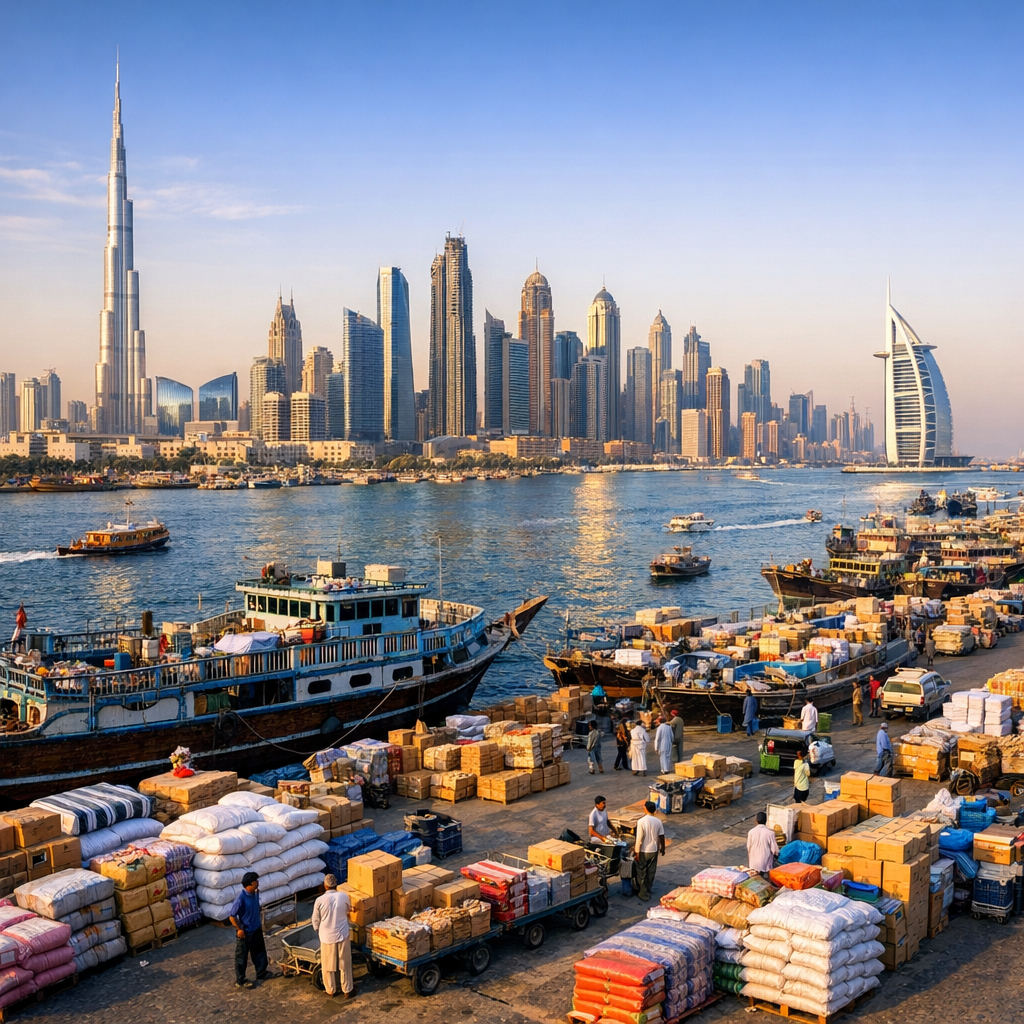
The global economy is currently navigating a complex landscape marked by geopolitical tensions, energy market disruptions, and evolving trade dynamics. These factors have significant implications for economies worldwide, including Dubai’s.
Global Economic Overview
Recent assessments indicate a slowdown in global growth. The Organization for Economic Cooperation and Development (OECD) projects global growth to decelerate to 2.8% in 2026, down from 3.4% in 2025. This slowdown is attributed to factors such as the ongoing conflict in the Middle East, which has led to energy supply shocks and heightened inflationary pressures. The OECD notes that the energy supply shock from the evolving conflict is testing the resilience of the global economy.
Similarly, the United Nations Conference on Trade and Development (UNCTAD) forecasts global growth to slow to 2.7% in 2026, citing trade tensions, fiscal strains, and persistent uncertainty as contributing factors. UNCTAD emphasizes that without stronger policy coordination, current pressures risk locking the world into a lower-growth path.
Regional Economic Trends
In the United States, consumer spending and capital expenditures on artificial intelligence are expected to drive moderate growth, with projections indicating a GDP growth of 2.0% in 2026. However, the range of possible economic outcomes remains wide, influenced by factors such as inflation trends and policy decisions.
Europe faces challenges stemming from energy costs and trade policy concerns. The European Union is increasingly wary of a potential surge in cheap Chinese exports, which could impact key industries. This concern is shaping current EU trade policies, especially in light of China’s record $1.2 trillion trade surplus last year.
Implications for Dubai
Dubai’s economy is intricately linked to global economic trends, given its status as a global trade and tourism hub. The projected slowdown in global growth and the energy market disruptions could have several implications:
- Trade and Logistics: As a major logistics hub, Dubai may experience shifts in trade volumes due to changing global demand and supply chain disruptions. Diversifying trade partnerships and enhancing logistical efficiencies could mitigate potential downturns.
- Energy Sector: Fluctuations in global energy prices can impact Dubai’s energy sector. While higher oil prices may benefit regional oil-exporting economies, they could also lead to increased operational costs across various industries.
- Tourism: Economic slowdowns in key source markets could affect tourist inflows. However, Dubai’s strategic initiatives to diversify its tourism offerings and target emerging markets may help sustain growth in this sector.
In response to these global economic shifts, Dubai continues to focus on economic diversification, innovation, and strategic investments to bolster its resilience and maintain its position as a leading global city.