

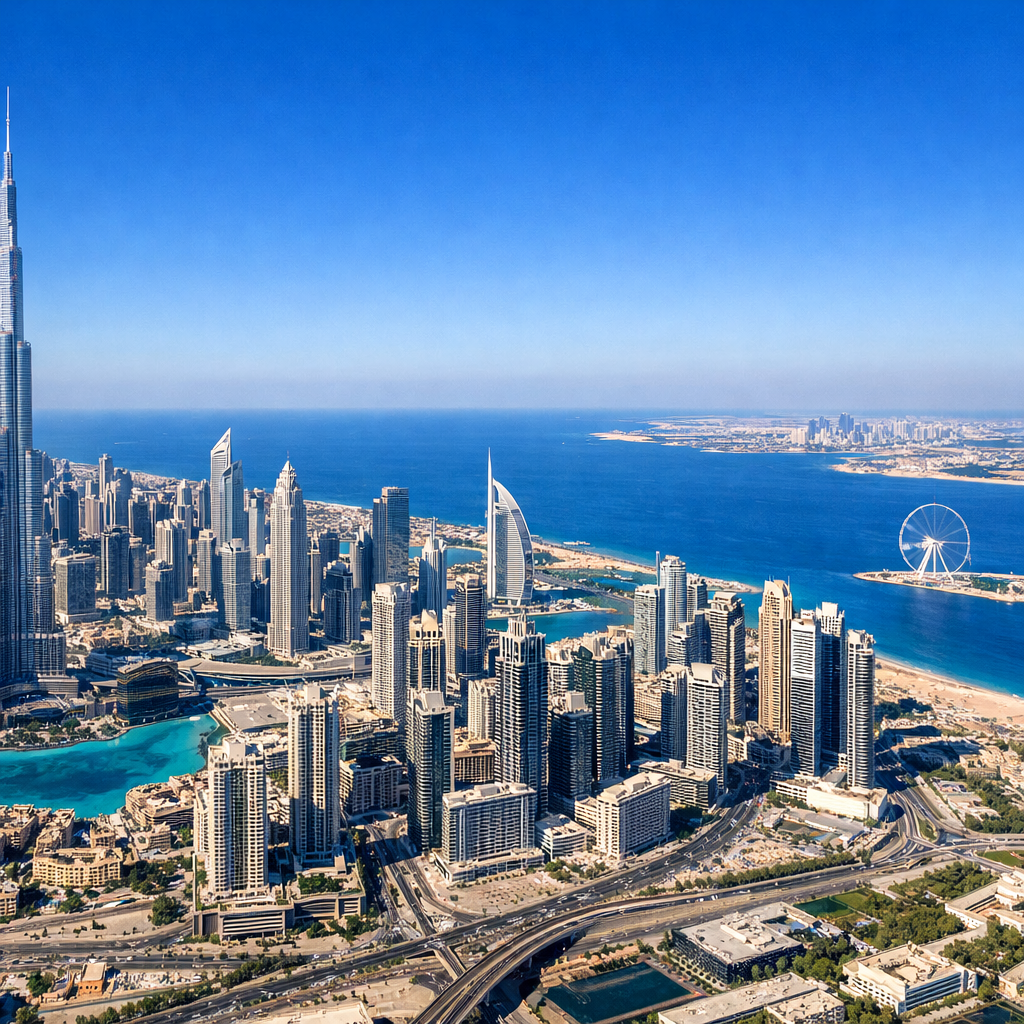
Dubai’s climate is characterized by its hot desert environment, with distinct seasonal variations that influence daily life and environmental conditions. Understanding these patterns is essential for both residents and visitors to navigate the city’s unique weather landscape.
Seasonal Weather Patterns
Summer (May to September)
During the summer months, Dubai experiences intense heat, with daytime temperatures often exceeding 40°C (104°F). Coastal areas, including the city itself, face high humidity levels due to the proximity to the Arabian Gulf, making the heat feel even more oppressive. This combination of high temperatures and humidity can lead to heat indices surpassing 50°C (122°F), posing significant health risks for outdoor activities. Residents are advised to limit outdoor exposure during peak heat hours and stay hydrated.
Winter (November to March)
In contrast, the winter season offers milder and more comfortable conditions. Daytime temperatures typically range between 20°C (68°F) and 26°C (79°F), with cooler evenings. This period also marks the city’s brief rainy season, with occasional short, heavy showers that can lead to temporary disruptions. Despite the rain, Dubai remains predominantly dry, with annual rainfall averaging around 100 mm.
Environmental Considerations
Air Quality
Air quality in Dubai varies throughout the year, influenced by both natural and human factors. The best air quality is typically recorded in December and January, following periods of rain or cooler weather. However, during the summer months, high temperatures and humidity can exacerbate pollution levels. Major contributors to air pollution include vehicular emissions, industrial activities, and construction dust. Residents are encouraged to monitor air quality indices, especially those with respiratory conditions, and take necessary precautions during periods of poor air quality.
Sandstorms
Dubai occasionally experiences sandstorms, particularly during the summer months. These events, driven by strong winds, can reduce visibility and degrade air quality. It’s advisable to stay indoors during severe sandstorms and ensure that windows and doors are securely closed to prevent dust ingress.
Adaptation and Sustainability Efforts
Recognizing the challenges posed by its climate, Dubai has implemented various initiatives to promote sustainability and environmental resilience. Efforts include the development of green building standards, investment in renewable energy sources, and the establishment of urban green spaces to mitigate the urban heat island effect. Additionally, public awareness campaigns aim to encourage water conservation and reduce energy consumption among residents.
By understanding Dubai’s climatic conditions and participating in sustainability efforts, residents and visitors can contribute to a more resilient and environmentally conscious city.