

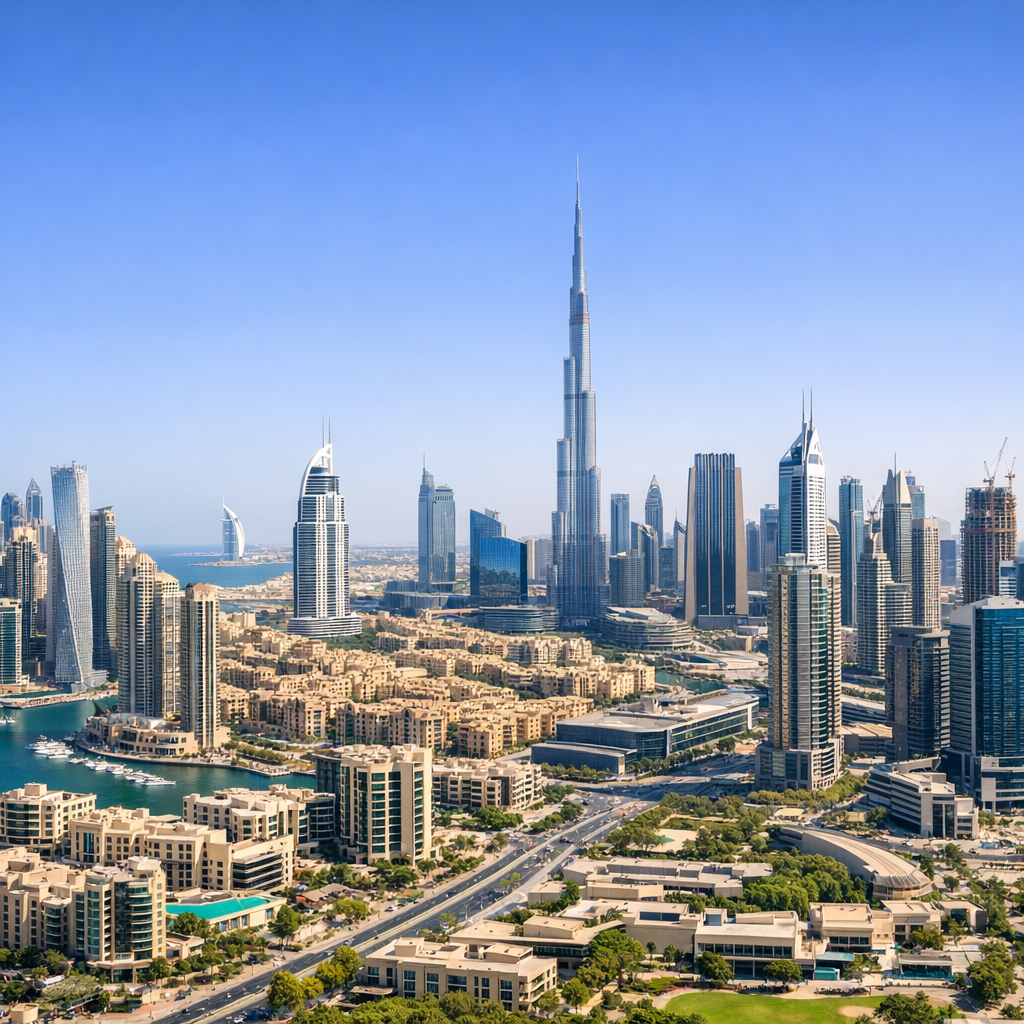
Dubai’s real estate market continues to demonstrate resilience and growth, attracting both local and international investors. Understanding the current trends is essential for those looking to navigate this dynamic landscape.
Surge in Property Transactions
In 2025, Dubai recorded approximately 270,000 property transactions, marking a significant increase from previous years. This surge reflects the city’s robust economic environment and its appeal as a global investment hub.
Shift Towards Homeownership
Recent data indicates a notable shift from renting to buying among residents. The share of sale-listing impressions rose from 47% in 2024 to 49% in 2025, while rental impressions declined from 53% to 51%. This trend is influenced by favorable long-term residency policies, such as the UAE Golden Visa, and initiatives like Dubai’s First-Time Home Buyer Programme, which has facilitated over 2,000 residents in purchasing their first homes, contributing more than AED 3.25 billion in residential property sales.
Luxury Market Expansion
The demand for luxury and super-luxury homes, priced above AED 2,500 per square foot, has seen a significant uptick. This growth is supported by a 46% year-on-year increase in high-net-worth individual inflows, reinforcing Dubai’s position as a global leader in wealth migration, with USD 63 billion in incoming wealth in 2025. Notably, off-plan demand is extending to newer communities like Dubai Harbour and Maritime City, indicating evolving buyer preferences.
Rental Market Dynamics
Dubai’s rental market has experienced varied performance across different segments. While some areas have seen rental price increases, others have remained stable, offering opportunities for tenants seeking value. The average rental yield for residential properties is estimated at 6.78%, with apartments reaching as high as 7.24%, making Dubai an attractive destination for rental investments.
Future Outlook
Looking ahead, Dubai’s real estate market is poised for continued growth, driven by population expansion, economic diversification, and limited supply in prime areas. Approximately 9,400 residential units were completed in Q1 2025, with around 11,900 more expected over the remainder of the year and an additional 7,000 projected for 2026. These developments are expected to bring more balance to the market by 2026/2027, reinforcing Dubai’s position as a global real estate investment hub.
For prospective buyers and investors, staying informed about these trends is crucial. Engaging with reputable real estate professionals and conducting thorough research will aid in making informed decisions in Dubai’s ever-evolving property market.