

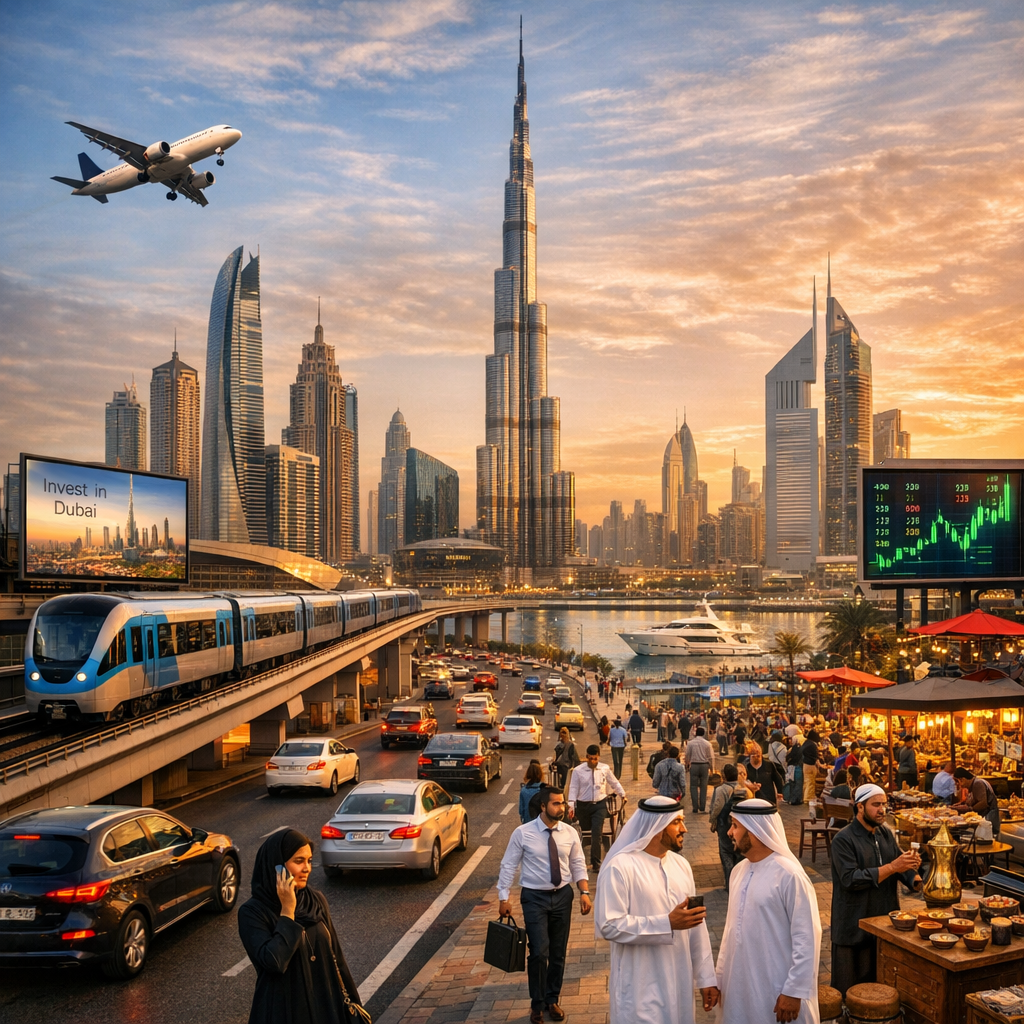
Dubai has long been recognized as a beacon of stability and prosperity in the Middle East, attracting global investors, tourists, and businesses. However, recent global events have tested the emirate’s resilience, prompting strategic adaptations to maintain its economic vitality.
Impact on Key Sectors
The luxury industry, a significant contributor to Dubai’s economy, has faced challenges due to regional conflicts. Notably, the 2026 war in Iran disrupted the global luxury goods market, leading to decreased tourist numbers and a decline in sales within the Gulf region. Dubai’s retail sector, including major shopping centers, experienced reduced foot traffic and sales during this period.
Tourism and Aviation
Tourism, a cornerstone of Dubai’s economy, encountered setbacks amid regional tensions. The United Arab Emirates temporarily suspended foreign airline operations from Dubai airports following security concerns. This measure, while necessary for safety, impacted international travel and the hospitality industry.
Strategic Responses and Recovery
In response to these challenges, Dubai has implemented strategic initiatives to bolster its economy. The Dubai World Trade Centre (DWTC) reported that events hosted at the venue generated significant economic value, with a notable percentage of attendees coming from overseas. This underscores the emirate’s commitment to maintaining its status as a global events hub.
Furthermore, Dubai’s tourism sector is actively pursuing mega events and global campaigns to rejuvenate visitor numbers and reinforce its position as a premier destination. These efforts reflect a proactive approach to overcoming disruptions and fostering economic growth.
Looking Ahead
Dubai’s ability to adapt to global challenges highlights its resilience and strategic foresight. By leveraging its infrastructure, embracing innovation, and fostering international collaborations, the emirate continues to navigate economic uncertainties and reinforce its position as a leading global hub.