

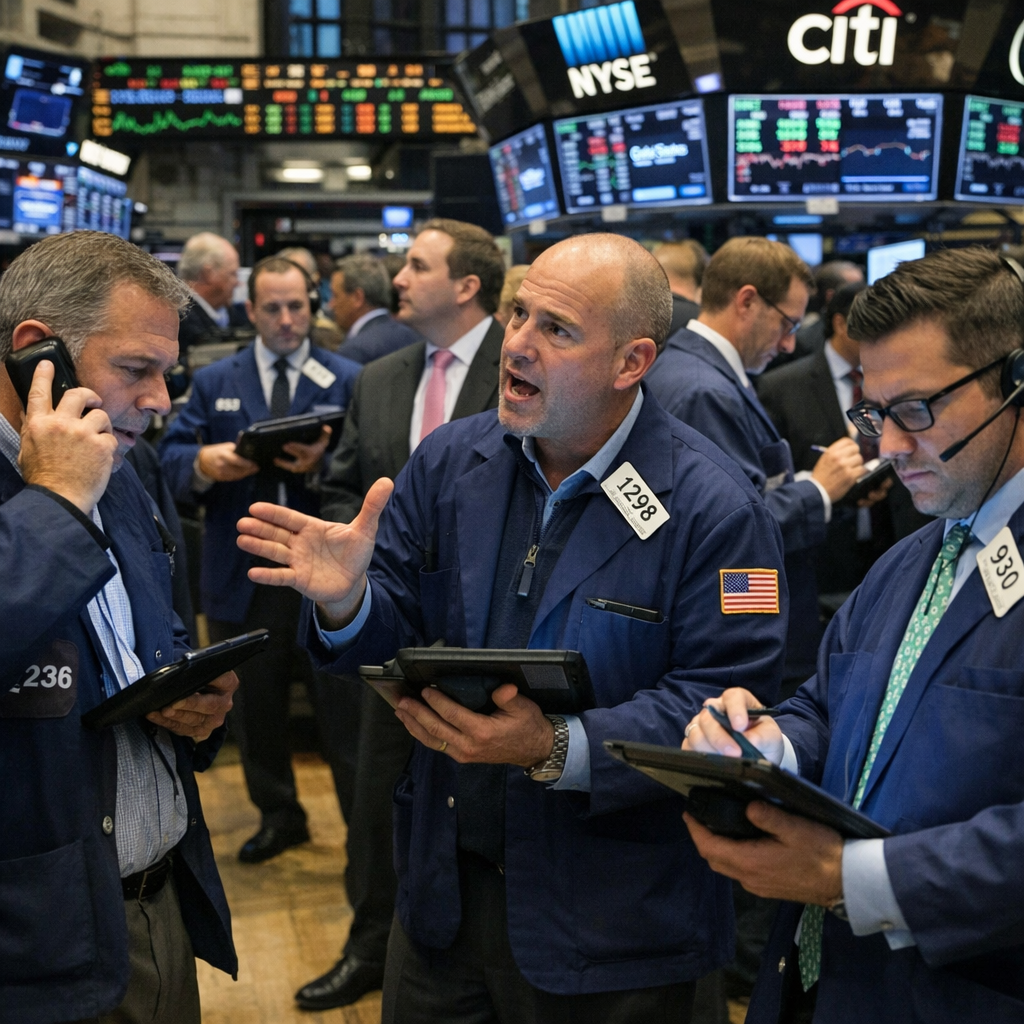
The United States economy has demonstrated notable resilience amidst a backdrop of significant political and policy changes during President Donald Trump’s second term. This period has been characterized by steady growth, a stable labor market, and evolving public sentiment.
Economic Performance and Growth
In 2025, the U.S. economy expanded by 2%, with projections indicating a slight acceleration to 2.4% in 2026. This growth has been underpinned by robust productivity gains and sustained consumer spending. Despite challenges such as a government shutdown in late 2025, the economy has maintained its upward trajectory.
Labor Market Dynamics
The labor market has remained relatively stable, with the unemployment rate hovering around 4.3% as of April 2026. Employment growth has slowed compared to previous years, partly due to stricter immigration policies affecting labor force expansion. Nevertheless, the job market continues to support economic stability.
Inflation and Consumer Sentiment
Inflation has remained a focal point, with core Personal Consumption Expenditures (PCE) inflation expected to return to 2% by the first half of 2027. However, consumer sentiment has been mixed. While macroeconomic indicators are positive, many Americans express concerns over rising prices and the affordability of essential goods and services.
Fiscal Policy and Trade
Recent fiscal policies, including tax reforms and increased tariffs, have had multifaceted impacts. Higher tariffs have contributed to increased government revenue but have also led to higher costs for consumers and businesses. These policies have introduced uncertainties, particularly in sectors like agriculture and manufacturing, which are sensitive to trade dynamics.
Public Perception and Partisan Views
Public opinion on the economy is deeply divided along partisan lines. Approximately 49% of Republicans view the economy as excellent or good, whereas only 10% of Democrats share this sentiment. This polarization reflects differing perspectives on the administration’s economic policies and their outcomes.
Looking Ahead
As the U.S. navigates these economic complexities, the interplay between policy decisions, market responses, and public sentiment will be crucial. The administration’s approach to trade, fiscal policy, and international relations will continue to shape the economic landscape in the coming years.