

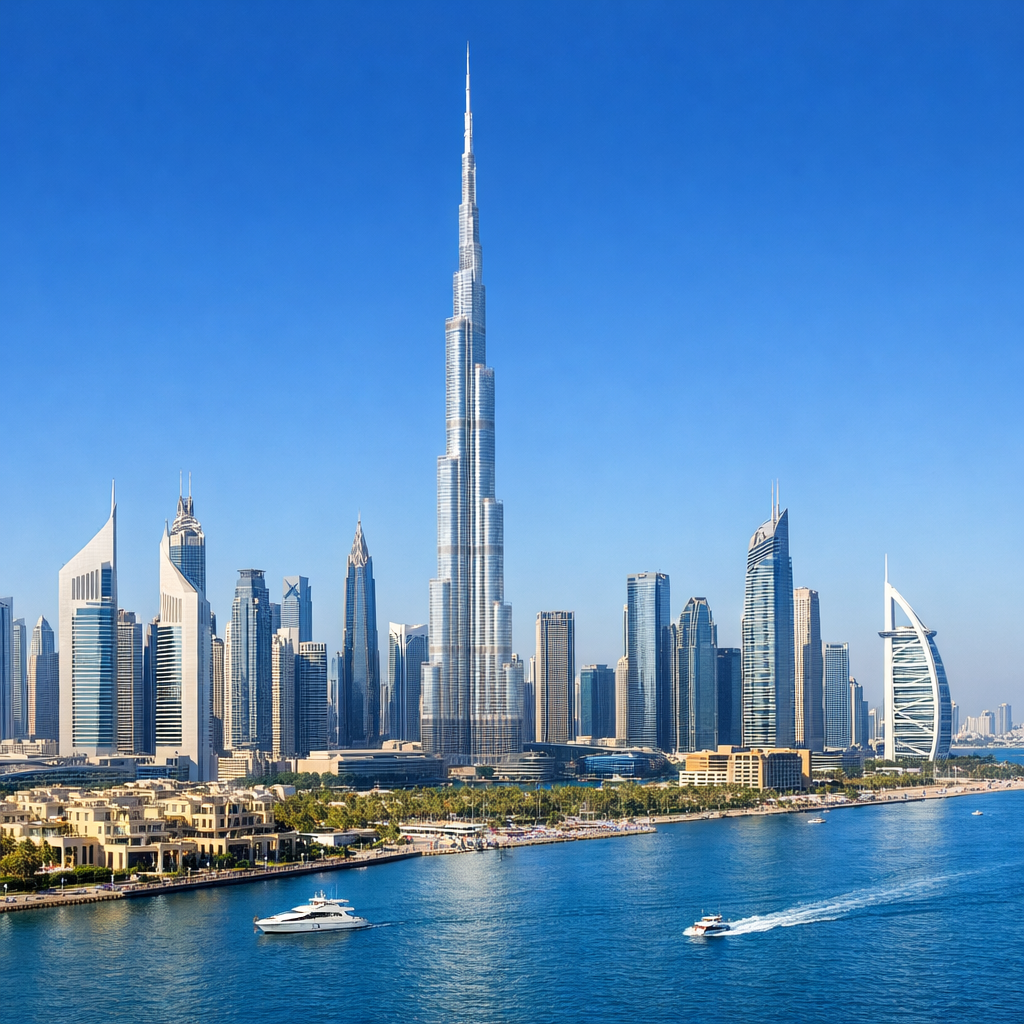
Dubai’s climate is characterized by two primary seasons: a mild winter and an intense summer. Understanding these patterns is essential for residents and visitors alike.
Winter (November to March)
During winter, Dubai experiences pleasant temperatures ranging from 20°C to 30°C (68°F to 86°F). This period is ideal for outdoor activities, with low humidity and occasional light rain. It’s also the peak tourist season, offering perfect beach weather and numerous outdoor events.
Summer (May to September)
Summer in Dubai is marked by extreme heat, with temperatures often soaring between 35°C and 48°C (95°F to 118°F). High humidity levels, especially near the coast, can make outdoor activities challenging. Residents often seek indoor, air-conditioned environments during these months. Despite the heat, this season offers the lowest hotel prices and fewer crowds.
Transitional Periods (April and October)
April and October serve as transitional months, with temperatures ranging from 21°C to 36°C (70°F to 97°F). These periods offer a balance between the extremes of summer and winter, making them suitable for both indoor and outdoor activities.
Environmental Considerations
Dubai’s rapid urbanization has led to environmental challenges such as water scarcity, high energy consumption, and waste management issues. The city’s reliance on desalination for freshwater and the high energy demands of cooling systems during summer months contribute to its environmental footprint. Efforts are ongoing to address these challenges through sustainable practices and technologies.
Understanding Dubai’s climate and environmental context allows residents and visitors to plan activities appropriately and contribute to the city’s sustainability initiatives.