

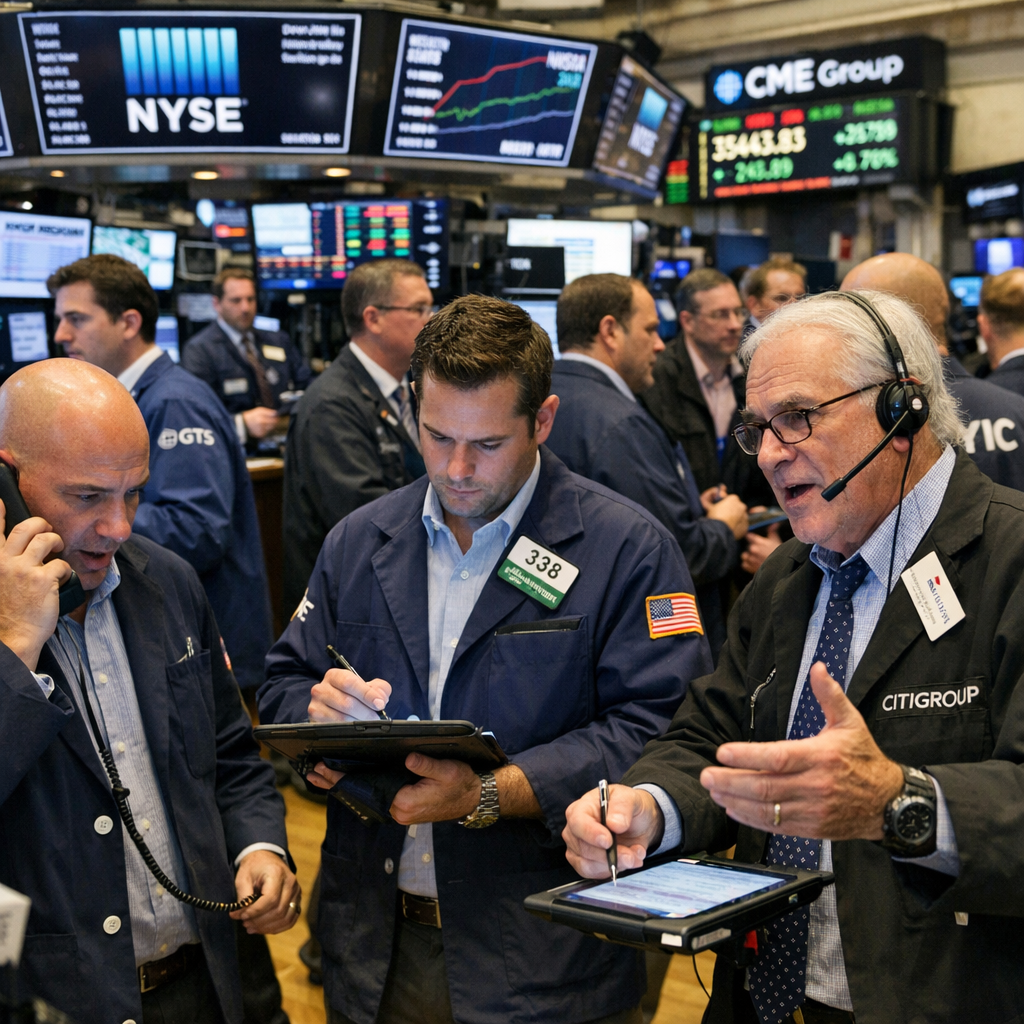
The United States economy has demonstrated notable resilience despite facing a series of political shifts and trade-related uncertainties. As of mid-2026, the nation continues to experience steady growth, albeit with underlying challenges that warrant close attention.
Economic Growth and Labor Market Dynamics
In the first quarter of 2026, the U.S. economy expanded at an annualized rate of 2%, maintaining a trajectory consistent with previous quarters. This growth is underpinned by robust consumer spending and significant investments in technology sectors, particularly artificial intelligence. The labor market remains stable, with the unemployment rate holding at approximately 4.3% as of April 2026. Notably, the economy added 115,000 jobs in April, contributing to a total of over 100,000 new positions since the beginning of the year.
Trade Policies and Their Impact
Trade policies have introduced a layer of complexity to the economic landscape. Recent federal court rulings have overturned certain tariffs, leading to a period of adjustment for businesses and investors. While some sectors, such as manufacturing in regions like Rockford, Illinois, have benefited from protectionist measures, others, including agriculture and food processing in states like Iowa, have faced increased costs due to higher tariffs.
Inflation and Monetary Policy Considerations
Inflationary pressures have been influenced by external factors, notably rising energy prices stemming from geopolitical tensions. This has led to increased transportation and agricultural costs, affecting both businesses and consumers. The Federal Reserve faces the challenge of balancing interest rate decisions to manage inflation while supporting economic growth, amidst varying perspectives on the appropriate monetary policy stance.
Public Perception and Partisan Divides
Public sentiment regarding the economy reflects a partisan divide. Approximately 49% of Republicans view the economy as excellent or good, whereas only 10% of Democrats share this perspective. This polarization underscores the influence of political affiliations on economic perceptions and highlights the importance of considering diverse viewpoints in economic discourse.
Conclusion
While the U.S. economy continues to grow, it does so against a backdrop of political and trade-related uncertainties. Ongoing monitoring of policy developments and their economic implications remains essential for stakeholders navigating this complex environment.