

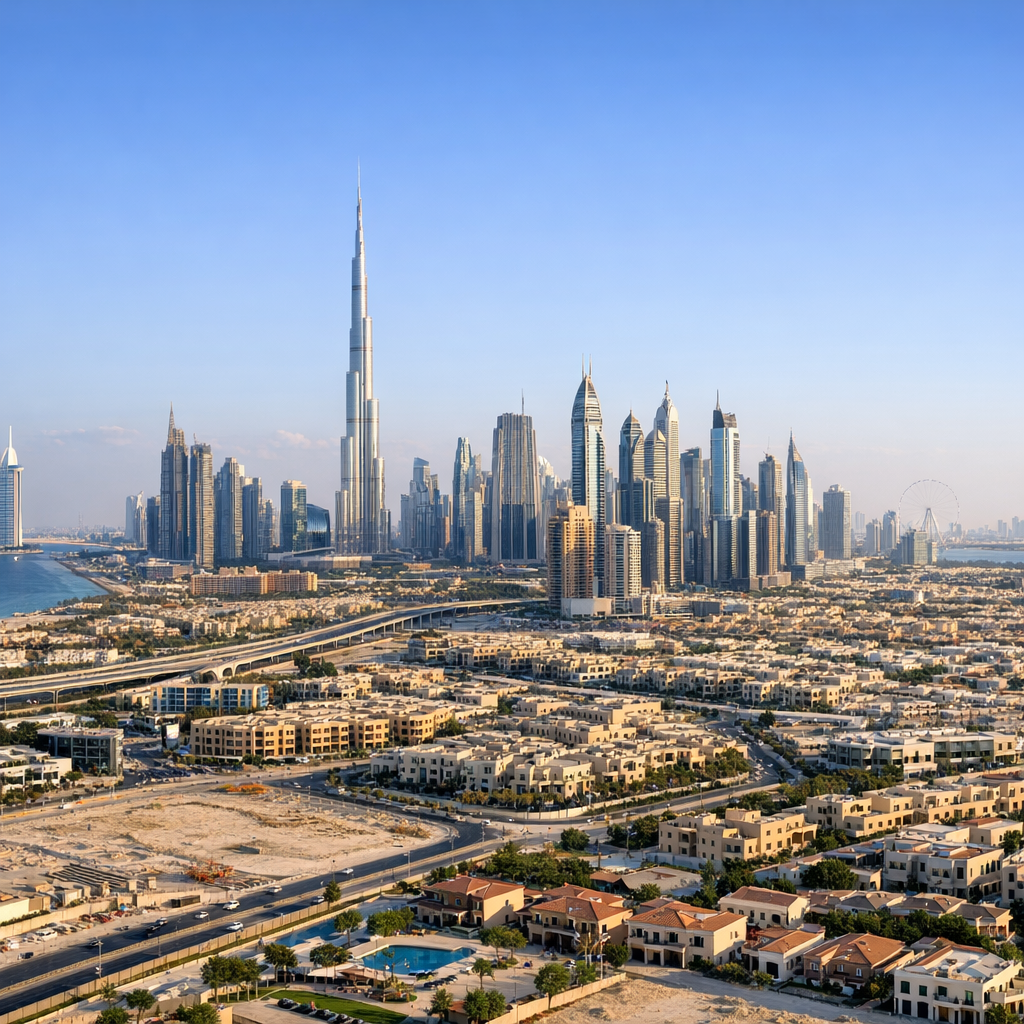
Dubai’s real estate market continues to evolve, presenting both opportunities and challenges for residents and investors alike. Understanding the current trends is essential for making informed decisions in this dynamic environment.
Surge in Off-Plan Property Sales
Off-plan properties have gained significant traction, accounting for 62% of all transactions in the first quarter of 2026. Developers have responded by launching over 28,000 new residential units during this period, with major projects in areas like Dubai South, MBR City, and Dubailand. Payment plans have become increasingly flexible, featuring options such as 1% per month during construction and extended post-handover plans.
Moderation in Rental Market Growth
While Dubai’s rental market remains robust, there’s a noticeable shift towards stabilization. Average asking rents increased by 7–11% year-over-year across the emirate, with family-oriented communities and waterfront locations experiencing the strongest growth. However, as property prices have risen, gross rental yields have slightly compressed, particularly in premium locations where capital values have outpaced rent increases.
Emergence of Suburban Communities
Suburban areas such as Jumeirah Village Circle (JVC), Arjan, and Al Furjan are witnessing increased off-plan activity, attracting investors due to their affordability and stable rental demand. Master-planned communities like Dubai Hills, Dubai Creek Harbour, and The Oasis continue to absorb new supply effectively, thanks to their integrated amenities and long-term development plans.
Infrastructure’s Impact on Property Values
Connectivity is becoming a key driver of property values. Communities linked to major infrastructure projects, such as the upcoming Dubai Metro Blue Line, are expected to outperform. Areas like Dubai Creek Harbour, Festival City, and parts of Dubai Silicon Oasis and International City are already seeing renewed interest as buyers prioritize commute times and access to employment hubs.
Luxury Segment Remains Resilient
Dubai’s luxury real estate segment continues to act as a stabilizing force. Prime villas, branded residences, and waterfront homes remain structurally undersupplied, particularly in established ultra-prime districts. Areas such as Palm Jumeirah, Jumeirah Bay Island, and Emirates Hills have shown strong resale activity and limited tolerance for discounts, even as the wider market becomes more price-sensitive.
In conclusion, Dubai’s real estate market is characterized by a surge in off-plan sales, a moderating rental market, the rise of suburban communities, the influence of infrastructure on property values, and the resilience of the luxury segment. Staying informed about these trends is crucial for navigating the evolving landscape.