

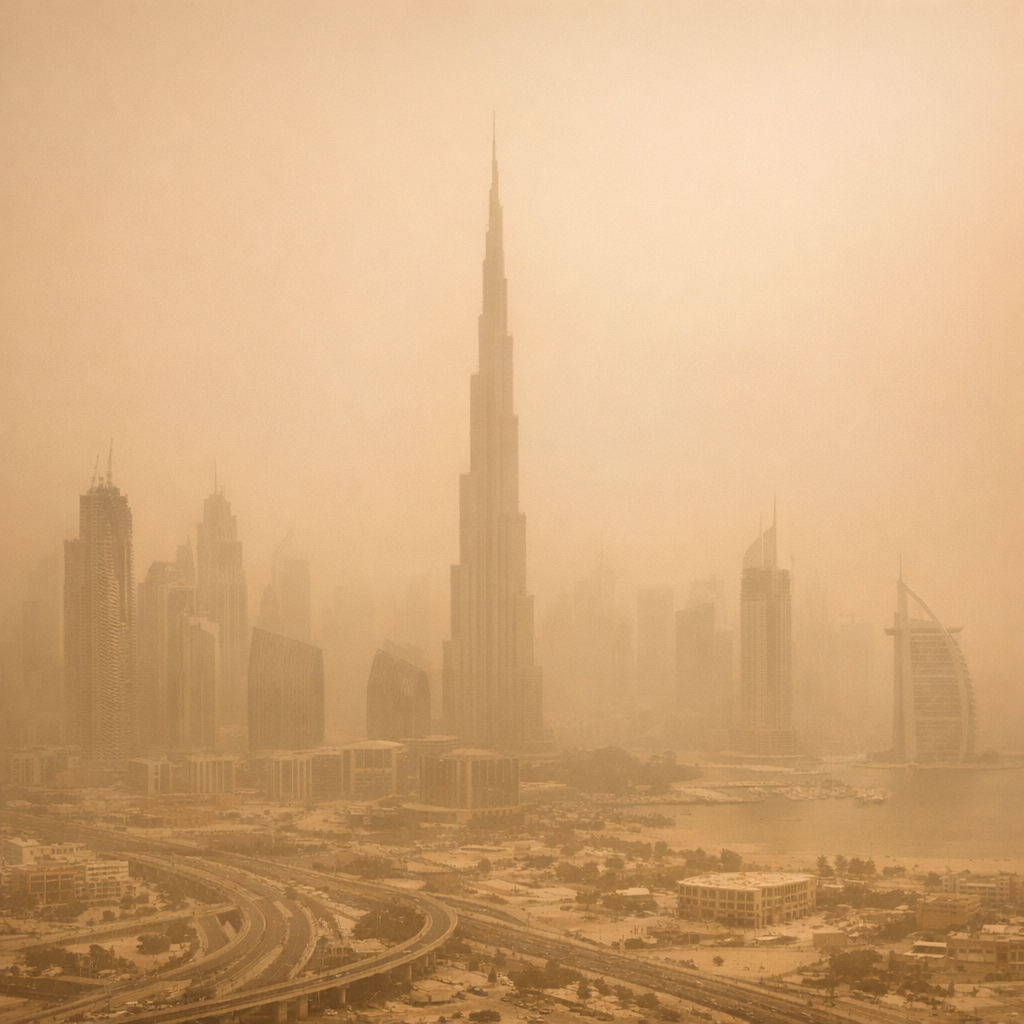
Dubai’s climate is characterized by its hot desert environment, with distinct seasonal variations that influence daily life and environmental conditions.
Seasonal Weather Patterns
Summer (June to September)
During the summer months, Dubai experiences intense heat, with daytime temperatures often exceeding 45°C (113°F). Humidity levels can reach up to 90%, particularly near the coast, making outdoor activities challenging. The combination of high temperatures and humidity can result in heat indices that feel even hotter, emphasizing the need for caution during this period.
Winter (December to February)
In contrast, winter offers milder conditions, with daytime temperatures ranging between 20°C (68°F) and 26°C (79°F). This season is marked by occasional rainfall, contributing to the annual average precipitation of approximately 100 mm. These cooler months are ideal for outdoor activities and are considered the most comfortable time of the year.
Environmental Challenges
Sandstorms
Dubai is susceptible to sandstorms, particularly during the summer months. These storms, driven by strong north-westerly winds known as ‘Shamal,’ can reduce visibility and impact air quality. Residents are advised to stay indoors during severe sandstorms and take necessary precautions to protect respiratory health.
Air Quality
Air quality in Dubai can be affected by various factors, including vehicle emissions, industrial activities, and natural events like sandstorms. The city has implemented measures to monitor and improve air quality, but residents should remain aware of daily air quality indices, especially those with respiratory conditions.
Adaptation and Preparedness
Understanding Dubai’s climate is essential for both residents and visitors. Staying informed about weather forecasts, adhering to health advisories during extreme heat or sandstorms, and adopting sustainable practices can help mitigate the challenges posed by the city’s environmental conditions.