

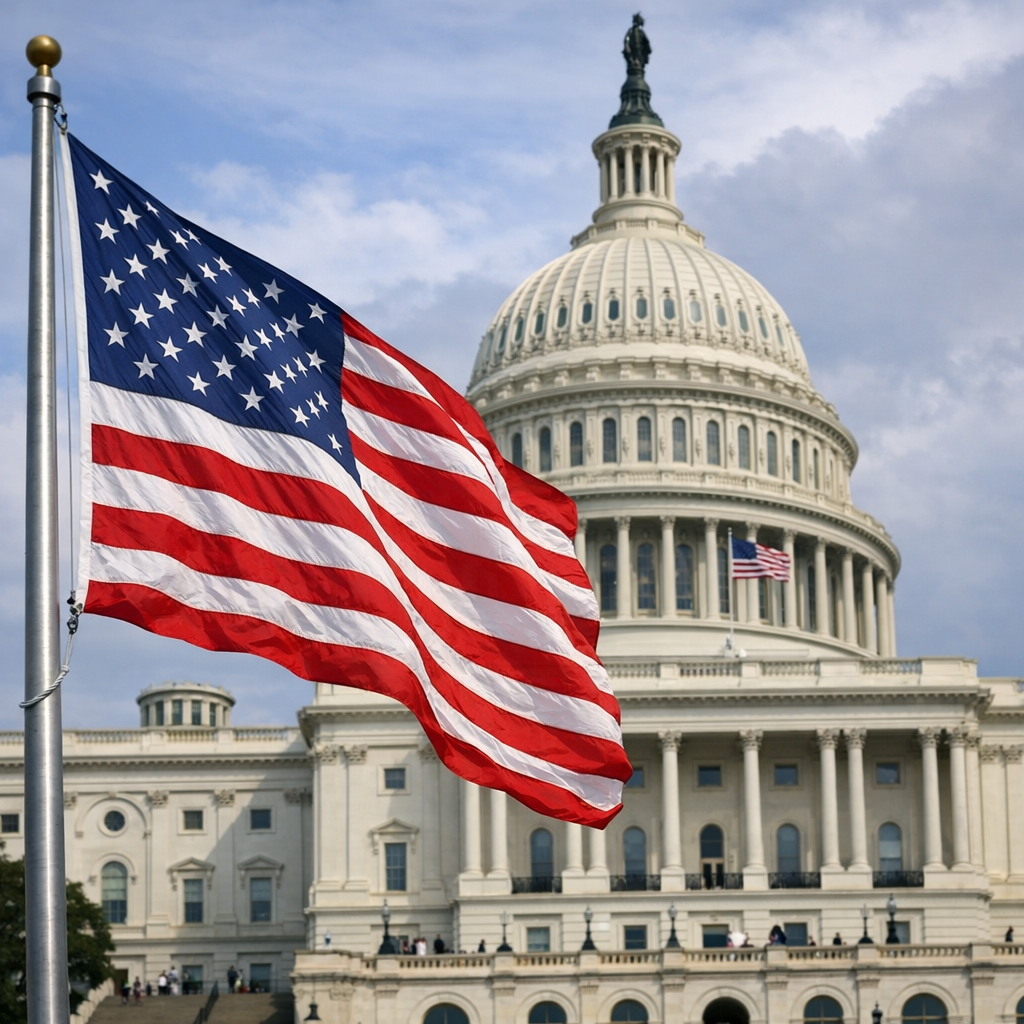
The United States continues to grapple with a multifaceted economic and political environment, marked by significant developments that have both domestic and international ramifications.
Economic Overview
Recent data indicates a resilient labor market, with job openings remaining robust. However, concerns persist regarding inflationary pressures and the overall cost of living. Policymakers are adopting a cautious approach, balancing the need for economic growth with the imperative to manage inflation.
In the corporate sector, there is a notable shift towards artificial intelligence and automation. While these advancements promise increased productivity, they also raise concerns about potential workforce displacement and the need for reskilling initiatives.
Political Climate
The U.S. political landscape is characterized by deepening polarization between the Republican and Democratic parties. Contentious issues such as immigration, abortion rights, and voting access continue to fuel debates, reflecting broader societal divisions.
Looking ahead, the upcoming midterm elections are poised to be pivotal. With all 435 House seats and 35 Senate seats up for grabs, the outcomes will significantly influence the legislative agenda on critical matters ranging from healthcare to foreign policy.
Global Implications
The U.S. economy and political decisions have far-reaching effects on the global stage. Trade policies, diplomatic relations, and economic strategies adopted by the U.S. can influence international markets and geopolitical dynamics, underscoring the interconnectedness of the global economy.
As the U.S. navigates these complex challenges, the international community remains attentive to the evolving policies and their potential global impact.