

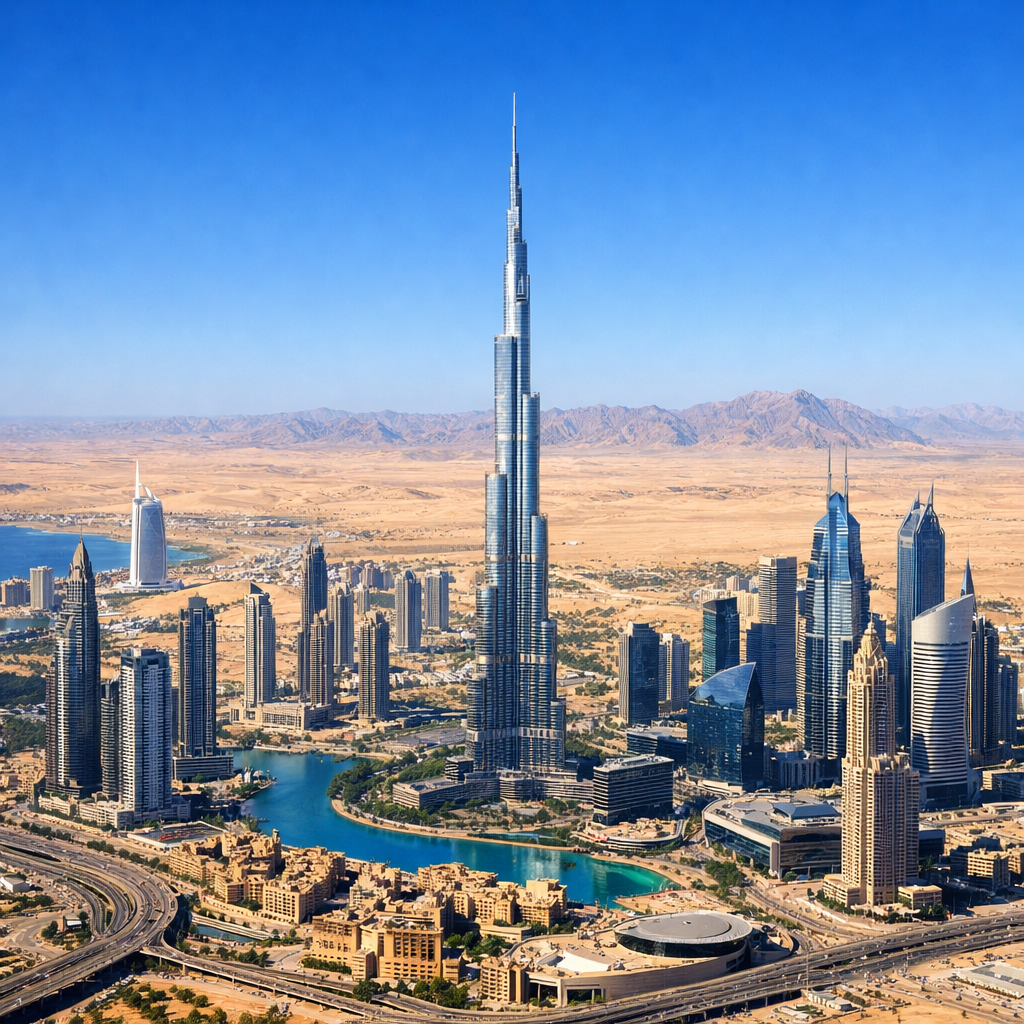
Dubai’s climate is characterized by its hot desert environment, featuring long, scorching summers and short, mild winters. Understanding these patterns is essential for residents and visitors alike.
Seasonal Weather Patterns
Summer (June to September)
During summer, temperatures often exceed 40°C, with coastal areas experiencing high humidity levels. This combination can make outdoor activities challenging, necessitating precautions to avoid heat-related illnesses.
Winter (December to February)
Winters are more temperate, with daytime temperatures ranging from 20°C to 26°C. This season is ideal for outdoor activities, as the weather is pleasant and rainfall is minimal.
Environmental Challenges
Sandstorms
Dubai occasionally experiences sandstorms, particularly during transitional seasons. These events can reduce visibility and affect air quality, posing health risks, especially for individuals with respiratory conditions.
Water Scarcity
As a desert city, Dubai faces challenges related to water scarcity. The reliance on desalination plants underscores the importance of sustainable water management practices to ensure a steady supply for the growing population.
Adaptation and Mitigation Efforts
Dubai has implemented various strategies to address its environmental challenges. These include urban planning initiatives to reduce heat island effects, investments in renewable energy, and public awareness campaigns promoting water conservation.
Understanding Dubai’s climate and environmental challenges is crucial for developing effective adaptation and mitigation strategies, ensuring the city’s resilience in the face of changing conditions.