

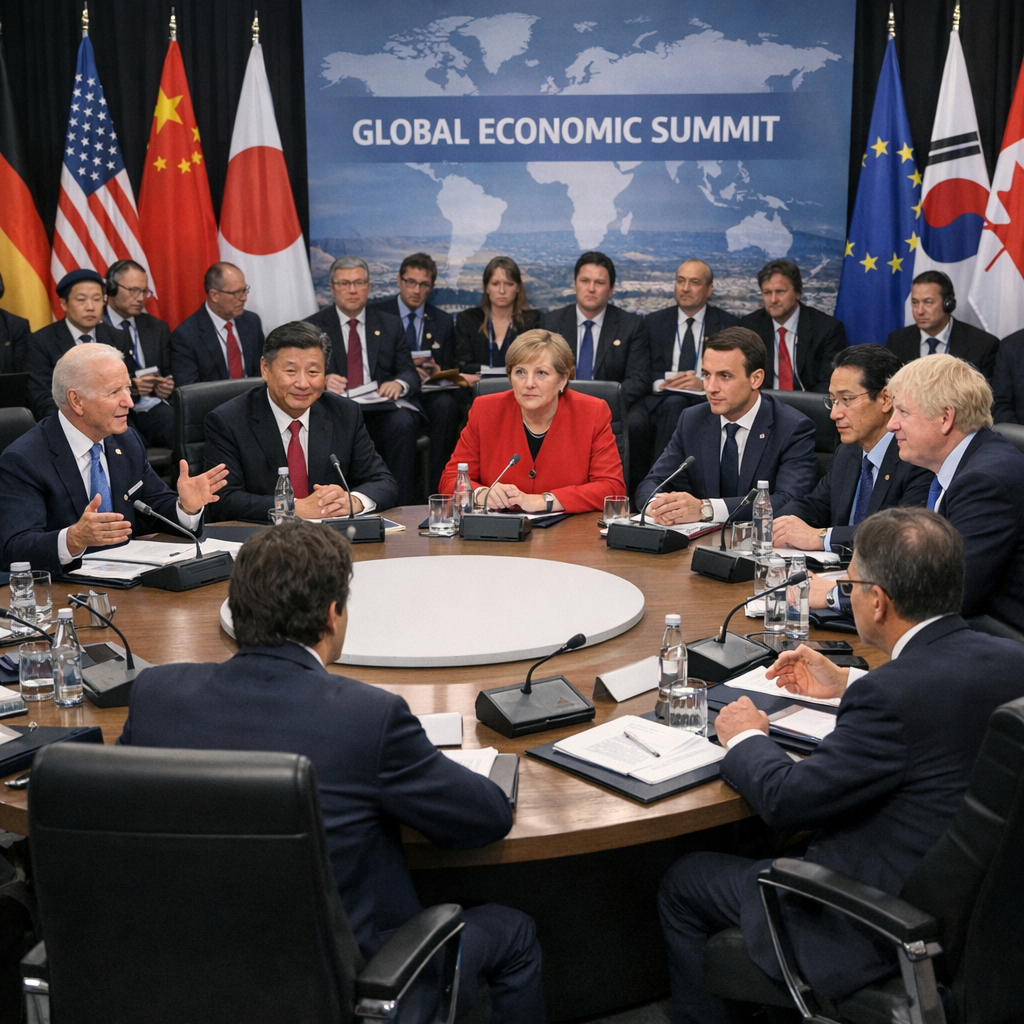
The global economy is projected to grow by 2.7% in 2026, reflecting a slight deceleration from previous years. This outlook is shaped by ongoing trade tensions, policy uncertainties, and structural challenges that continue to influence economic activities worldwide.
Regional Perspectives
United States
The United States is expected to maintain moderate growth, driven by resilient consumer spending and capital investments, particularly in artificial intelligence (AI). However, potential policy shifts and external trade dynamics may pose risks to this trajectory.
Europe
European economies face a mixed outlook. While some countries benefit from easing inflation and supportive monetary policies, others grapple with high debt levels and sluggish growth. The eurozone’s growth is anticipated to slow, influenced by energy price fluctuations and geopolitical uncertainties.
Asia
In Asia, China’s economic growth is projected to moderate as the country rebalances its economy towards domestic consumption and innovation-driven sectors. Meanwhile, India’s economy continues to expand robustly, supported by strong domestic demand and structural reforms.
Key Influencing Factors
Trade Tensions and Policy Uncertainty
Persistent trade disputes and policy uncertainties have introduced volatility into global markets. These factors have led to cautious investment behaviors and disrupted supply chains, impacting global trade flows.
Technological Advancements
The rapid adoption of AI and other technological innovations is transforming industries and labor markets. While these advancements offer opportunities for productivity gains, they also present challenges related to workforce displacement and the need for new skill sets.
Energy Markets
Fluctuations in energy prices, influenced by geopolitical events and supply chain disruptions, continue to affect global economic stability. Countries heavily reliant on energy imports are particularly vulnerable to these changes.
Implications for Dubai and the UAE
As a global trade and financial hub, Dubai and the broader UAE economy are closely tied to international economic trends. The projected global growth slowdown may impact trade volumes and investment inflows. However, the UAE’s strategic initiatives in diversifying its economy, investing in technology, and enhancing infrastructure position it to navigate these challenges effectively.
In conclusion, while the global economic outlook for 2026 presents a landscape of moderated growth and heightened uncertainties, proactive policy measures, technological innovation, and strategic diversification can help economies, including Dubai’s, to adapt and thrive amidst these challenges.